
 |
|
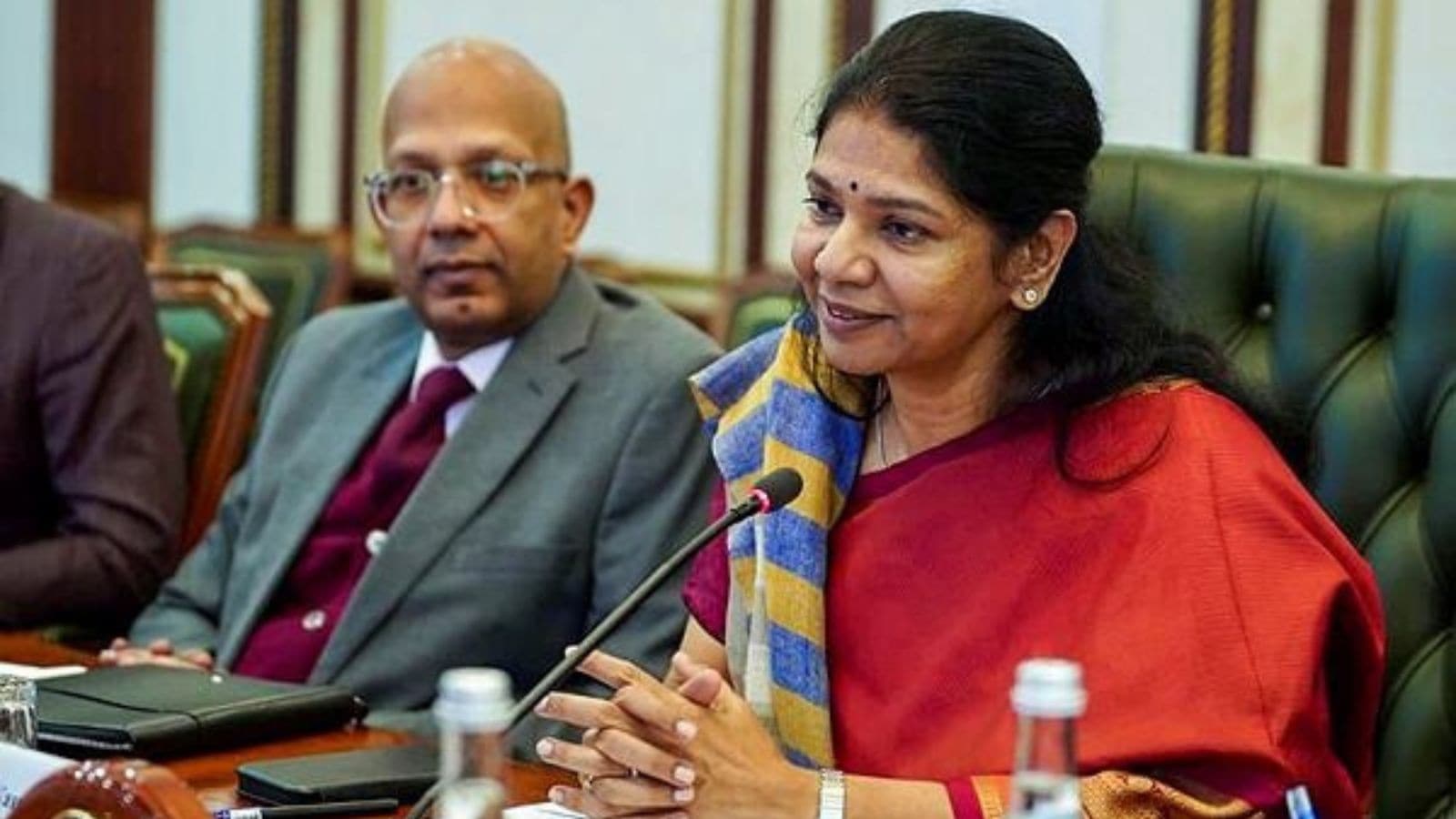
The incident involving the Indian MP delegation led by Kanimozhi encountering a drone attack near Moscow highlights the increasingly complex geopolitical landscape and the ever-present threat of unconventional warfare. This event, while seemingly isolated, underscores several crucial aspects of international relations, security protocols, and the evolving nature of conflict. The fact that a delegation of parliamentarians, engaged in diplomatic outreach following a military operation, became a potential target raises significant questions about the protection of high-profile individuals and the security measures in place to safeguard international travel. Operation Sindoor, mentioned in the article, sets the context for the delegation’s visit. It’s described as a military offensive aimed at terror launch pads in Pakistan and Pakistan-Occupied Kashmir. Therefore, the delegation's outreach efforts are likely intended to garner international support and understanding for India's actions in addressing cross-border terrorism. The drone attack introduces a new dimension to this narrative. It raises the possibility of retaliatory actions or attempts to disrupt India's diplomatic efforts. Furthermore, it suggests that non-state actors or even state-sponsored entities may be willing to employ asymmetric tactics to challenge India's strategic objectives. The implications of this incident extend beyond the immediate safety of the delegation. It necessitates a thorough review of security protocols for international travel, particularly in regions with heightened geopolitical tensions. Governments must reassess their risk assessments and implement more robust security measures to protect their representatives abroad. This includes enhancing intelligence gathering, strengthening airport security, and providing better protection for VIP delegations. The incident also highlights the importance of diplomacy and dialogue in resolving international disputes. While military operations may be necessary in certain circumstances, they should be complemented by sustained diplomatic efforts to address the root causes of conflict and promote peaceful resolutions. The delegation's visit to Moscow, despite the drone attack, demonstrates the commitment of both India and Russia to maintain open lines of communication and explore avenues for cooperation. However, the incident serves as a stark reminder of the challenges involved in navigating complex geopolitical landscapes and the need for vigilance and preparedness in the face of evolving threats. In analyzing this event, it is crucial to consider the broader context of India-Russia relations. The two countries have a long history of close cooperation in various fields, including defense, energy, and trade. Russia has been a key supplier of military equipment to India, and the two countries have also collaborated on various joint projects. The drone attack could potentially strain these relations, depending on the outcome of the investigation and the identification of the perpetrators. If the attack is linked to a state-sponsored entity, it could trigger a diplomatic crisis and lead to retaliatory measures. Alternatively, it could strengthen the resolve of both countries to work together to combat terrorism and other security threats. The incident also raises questions about the role of technology in modern warfare. Drones have become increasingly popular as weapons of choice for both state and non-state actors due to their affordability, versatility, and ability to operate remotely. The use of drones in attacks can be difficult to detect and prevent, posing a significant challenge to security agencies. Governments need to invest in developing countermeasures to protect against drone attacks, including drone detection systems, jamming technologies, and kinetic interception methods. Furthermore, international cooperation is essential to regulate the use of drones and prevent their proliferation to malicious actors. The Kanimozhi-led delegation's experience near Moscow also underscores the importance of international law and norms in regulating state behavior. The use of force against civilian targets is a violation of international law, and states have a responsibility to protect civilians from harm. The drone attack could potentially be considered a violation of international law, depending on the intent of the perpetrators and the circumstances surrounding the incident. It is important for international organizations and the international community to condemn such attacks and hold those responsible accountable. In conclusion, the drone attack near Moscow involving the Indian MP delegation is a complex event with far-reaching implications. It highlights the evolving nature of conflict, the importance of security protocols, the role of diplomacy, the challenges posed by technology, and the significance of international law. By carefully analyzing this incident, we can gain valuable insights into the challenges of navigating complex geopolitical landscapes and the need for vigilance and preparedness in the face of evolving threats. This incident serves as a wake-up call, reminding us of the constant need to adapt and innovate in our efforts to promote peace and security in a rapidly changing world. The investigation into the drone attack should be thorough and transparent, and those responsible should be brought to justice. Furthermore, governments should work together to strengthen international norms and regulations to prevent similar incidents from occurring in the future.
The response to this incident within India will likely be multifaceted. Domestically, there will be calls for increased security for Indian dignitaries traveling abroad, particularly in regions perceived as high-risk. Opposition parties may criticize the government's handling of the situation, questioning the adequacy of security measures and potentially using the incident to score political points. The ruling party, on the other hand, will likely emphasize the resilience of India's diplomatic efforts and reiterate its commitment to combating terrorism. The media will play a crucial role in shaping public opinion. The reporting will need to be balanced, avoiding sensationalism while providing accurate and timely information. Analysts will dissect the incident, exploring its potential implications for India-Russia relations, regional security, and India's foreign policy objectives. Social media will undoubtedly be abuzz with reactions, ranging from expressions of concern and solidarity to outrage and calls for retaliation. It will be essential to counter misinformation and prevent the spread of inflammatory rhetoric. The government will need to carefully manage the domestic narrative, ensuring that the public is informed about the situation and that national unity is maintained. Furthermore, the incident will likely prompt a review of India's strategic partnerships and its approach to dealing with terrorism. India may seek to strengthen its security cooperation with friendly countries and enhance its intelligence gathering capabilities. It may also intensify its diplomatic efforts to isolate countries that support or harbor terrorists. The government will need to adopt a comprehensive strategy that combines military, diplomatic, and economic tools to address the threat of terrorism effectively. The Kanimozhi-led delegation's visit to Moscow was intended to build bridges and foster understanding between India and Russia. The drone attack, however, could potentially undermine these efforts. It is important for both countries to reaffirm their commitment to their strategic partnership and to work together to overcome the challenges posed by terrorism and other security threats. This incident serves as a reminder that diplomacy is not without its risks, and that even peaceful initiatives can be targeted by those who seek to disrupt international cooperation. Despite the challenges, it is essential to continue engaging in dialogue and pursuing peaceful resolutions to conflicts. The world faces a multitude of complex challenges, and international cooperation is essential to addressing them effectively. By working together, countries can overcome their differences and build a more peaceful and prosperous future for all. The incident near Moscow should serve as a catalyst for renewed efforts to promote international cooperation and to address the root causes of conflict. It is only through dialogue, understanding, and mutual respect that we can create a world where such incidents are rare and where peace and security prevail.
Examining the potential motivations behind the drone attack requires careful consideration of various actors and their strategic objectives. While definitive attribution may take time and involve complex investigations, several possibilities warrant exploration. One possibility is that the attack was orchestrated by a non-state actor, such as a terrorist group or an extremist organization. These groups often seek to destabilize regions, disrupt diplomatic efforts, and demonstrate their capacity to strike at high-profile targets. By targeting a delegation of parliamentarians, they could aim to send a message of defiance and sow fear among policymakers. Another possibility is that the attack was sponsored by a state actor seeking to undermine India's relations with Russia or to disrupt India's diplomatic outreach efforts following Operation Sindoor. Some countries may view India's actions in Pakistan and Pakistan-Occupied Kashmir as destabilizing or as a violation of international norms. By sponsoring a drone attack, they could aim to express their disapproval and deter India from taking similar actions in the future. A third possibility is that the attack was the result of a miscalculation or a technical malfunction. Drones are complex machines, and they can sometimes malfunction or be unintentionally diverted from their intended course. While this explanation may seem less likely, it cannot be ruled out entirely until a thorough investigation is conducted. Regardless of the perpetrator, the drone attack highlights the vulnerability of civilian targets to asymmetric warfare. Drones are relatively inexpensive and easy to acquire, making them an attractive weapon for both state and non-state actors. They can be used to conduct surveillance, deliver explosives, or disrupt critical infrastructure. Protecting against drone attacks requires a multi-layered approach that includes drone detection systems, jamming technologies, and kinetic interception methods. Governments must also work together to regulate the use of drones and prevent their proliferation to malicious actors. The incident near Moscow also underscores the importance of international cooperation in combating terrorism. Terrorist groups often operate across borders, and they rely on support from state sponsors or sympathetic individuals to carry out their attacks. Countering terrorism effectively requires close cooperation between intelligence agencies, law enforcement agencies, and military forces. Countries must share information, coordinate their efforts, and hold those who support terrorism accountable. The Kanimozhi-led delegation's visit to Moscow was intended to promote dialogue and understanding between India and Russia. The drone attack, however, serves as a reminder that there are those who seek to disrupt such efforts. It is important for both countries to reaffirm their commitment to their strategic partnership and to work together to overcome the challenges posed by terrorism and other security threats. By standing together, India and Russia can send a strong message that terrorism will not be tolerated and that those who perpetrate such acts will be brought to justice. The incident near Moscow should also serve as a reminder of the importance of vigilance and preparedness. In a world where threats can emerge from unexpected sources, it is essential to maintain a high level of situational awareness and to be prepared to respond to a variety of contingencies. Governments must invest in security measures, train their personnel, and develop comprehensive emergency response plans. By being prepared, they can mitigate the risks of terrorism and other security threats and protect their citizens from harm.
The reaction of the Russian government to the drone attack will be crucial in shaping the future trajectory of India-Russia relations and in determining the broader implications for regional security. Moscow's response will likely be multifaceted, encompassing diplomatic, security, and investigative dimensions. First and foremost, the Russian government will likely launch a thorough investigation into the incident to determine the origin and perpetrators of the drone attack. This investigation will involve a wide range of agencies, including intelligence services, law enforcement, and aviation authorities. The investigation will seek to gather evidence, analyze data, and interview witnesses to piece together a comprehensive picture of what happened and who was responsible. The findings of the investigation will be crucial in determining the appropriate course of action. If the investigation concludes that the attack was carried out by a non-state actor, Russia may work with India and other countries to enhance counter-terrorism cooperation and to share intelligence on extremist groups operating in the region. If the investigation concludes that the attack was sponsored by a state actor, Russia may take diplomatic action to condemn the attack and to demand that the responsible country cease its support for terrorism. Russia may also consider imposing sanctions or other punitive measures. In addition to the investigation, the Russian government will likely take steps to enhance security measures to protect against future drone attacks. This may involve deploying additional air defense systems around Moscow and other key cities, as well as tightening regulations on the use of drones in civilian airspace. Russia may also work with other countries to develop international standards for drone regulation and to prevent the proliferation of drones to malicious actors. Diplomatically, the Russian government will likely seek to reassure India of its commitment to the strategic partnership between the two countries. Moscow may issue statements condemning the attack and expressing solidarity with India. Russian officials may also hold meetings with their Indian counterparts to discuss the incident and to coordinate a joint response. The Russian government will likely emphasize that the attack was an isolated incident and that it will not be allowed to undermine the strong ties between India and Russia. Furthermore, Russia may use the incident to highlight the need for greater international cooperation in combating terrorism. Moscow has long been a proponent of a united front against terrorism, and it may use the drone attack to argue that all countries must work together to address this common threat. Russia may also seek to strengthen its ties with other countries in the region that share its concerns about terrorism. The Russian government's response to the drone attack will be closely watched by the international community. The way in which Moscow handles the situation will send a signal about its commitment to international law, its relationship with India, and its approach to combating terrorism. A strong and decisive response will help to deter future attacks and to strengthen international security. A weak or hesitant response, on the other hand, could embolden terrorists and undermine international efforts to combat terrorism.
The incident involving the Kanimozhi-led delegation near Moscow serves as a potent reminder of the evolving threats faced by individuals and nations in the contemporary global landscape. This event transcends the immediate concerns of diplomatic security and delves into the broader implications of technological advancements, geopolitical rivalries, and the enduring challenge of terrorism. The use of drones as a means of attack, regardless of the perpetrator's identity, underscores the accessibility and potential for disruption posed by these unmanned aerial vehicles. Their relatively low cost and ease of deployment make them an attractive option for both state and non-state actors seeking to inflict damage, sow fear, or achieve strategic objectives. This necessitates a reevaluation of security protocols and a concerted effort to develop effective countermeasures to mitigate the risks associated with drone technology. The incident also highlights the complex interplay of geopolitical forces at play. The reference to Operation Sindoor suggests a connection to ongoing tensions between India and Pakistan, particularly in the disputed region of Kashmir. The delegation's mission to Moscow, aimed at garnering international support for India's position, may have been perceived as a threat by certain actors seeking to undermine India's diplomatic efforts. The attack, therefore, could be interpreted as a calculated attempt to disrupt India's outreach and to destabilize the region. Furthermore, the incident raises questions about the security environment in Russia, a country that has faced its own share of terrorist threats and security challenges. The fact that a drone attack could occur near Moscow, despite the country's robust security apparatus, suggests that vulnerabilities exist and that ongoing vigilance is required. This could prompt Russia to reassess its security measures and to enhance its cooperation with other countries in the fight against terrorism. The international community's response to the incident will be crucial in shaping the narrative and in determining the consequences for those responsible. Condemnations from governments and international organizations will send a strong message that such attacks are unacceptable and that those who perpetrate them will be held accountable. Investigations into the incident will be essential to identify the perpetrators and to bring them to justice. The incident also underscores the importance of diplomacy and dialogue in resolving international disputes. While military operations may be necessary in certain circumstances, they should be complemented by sustained diplomatic efforts to address the root causes of conflict and to promote peaceful resolutions. The Kanimozhi-led delegation's visit to Moscow, despite the drone attack, demonstrates the commitment of both India and Russia to maintain open lines of communication and to explore avenues for cooperation. In conclusion, the incident near Moscow serves as a wake-up call, reminding us of the evolving threats faced by individuals and nations in the 21st century. It underscores the need for vigilance, preparedness, and international cooperation in addressing these challenges. By learning from this incident and by working together, we can create a more secure and peaceful world for all.
The potential impact on India's foreign policy as a result of this event cannot be overstated. It serves as a stark reminder of the dangers faced by diplomats and political figures engaged in international outreach, and it is likely to prompt a significant reassessment of security protocols and diplomatic strategies. One immediate consequence may be a greater emphasis on risk assessment and security measures for Indian delegations traveling to regions perceived as volatile or strategically sensitive. This could involve enhanced security details, stricter travel guidelines, and a more cautious approach to engaging with certain countries or regions. The incident may also lead to a more assertive stance on counter-terrorism efforts, both domestically and internationally. India may seek to strengthen its partnerships with countries that share its concerns about terrorism and to advocate for stronger international action against terrorist groups. This could involve increased intelligence sharing, joint military exercises, and diplomatic pressure on countries that support or harbor terrorists. The drone attack could also have implications for India's relations with Russia. While the two countries have a long history of close cooperation, the incident may strain their ties if it is perceived that Russia did not provide adequate security for the Indian delegation. India may seek assurances from Russia that it will take steps to prevent similar incidents from occurring in the future. On the other hand, the incident could also strengthen the bond between the two countries if they work together to investigate the attack and to bring the perpetrators to justice. This could lead to increased cooperation in areas such as counter-terrorism and cybersecurity. More broadly, the incident may prompt India to re-evaluate its approach to foreign policy. India has traditionally pursued a policy of non-alignment, but the increasing complexity of the global security landscape may necessitate a more proactive and assertive approach. India may need to forge stronger alliances with like-minded countries and to be more willing to use its influence to promote its interests and values on the world stage. The incident also highlights the importance of public diplomacy and strategic communication. The way in which India responds to the attack will shape international perceptions of the country and its foreign policy objectives. It is essential for India to communicate its message clearly and effectively and to counter any misinformation or propaganda that may be spread by its adversaries. In conclusion, the drone attack near Moscow is a significant event that is likely to have a lasting impact on India's foreign policy. It underscores the need for vigilance, preparedness, and a proactive approach to addressing the challenges of the 21st century. By learning from this incident and by adapting its strategies accordingly, India can strengthen its position in the world and promote its interests in a safe and secure manner.
Source: Flight carrying Kanimozhi-led MP delegation circles Moscow sky following drone attack