
 |
|
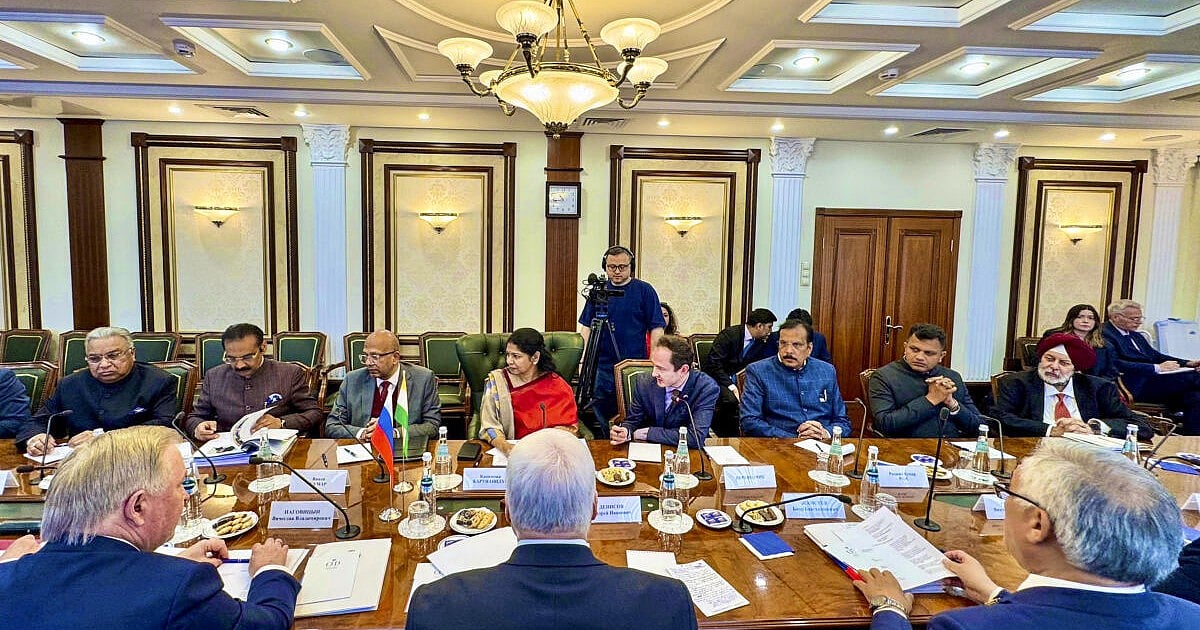
The all-party delegation's visit to Russia, spearheaded by DMK MP Kanimozhi Karunanidhi, underscores the intensifying efforts of India to garner international support in its fight against terrorism. The delegation's primary objective was to apprise the Russian diplomatic leadership of the pressing security concerns stemming from terrorism originating in Pakistan, a matter brought into sharp relief following the tragic Pahalgam attack, which claimed the lives of 26 individuals. This diplomatic initiative is crucial for India, as it seeks to build a broader consensus among global powers regarding the need to combat terrorism effectively and to hold accountable those states that are perceived to be harboring or supporting terrorist organizations. The timing of this visit, a mere month after the devastating attack, highlights the urgency with which India views the situation and its determination to take proactive steps to address the issue on an international platform. The choice of Russia as a key interlocutor is significant, given the longstanding strategic partnership and close ties between the two nations. Russia has traditionally been a strong supporter of India on various international forums and has consistently voiced its concerns about terrorism in all its forms. This visit, therefore, provides an opportunity for India to further strengthen its diplomatic relations with Russia and to enlist its support in advocating for stronger international action against terrorism. The delegation's composition, comprising representatives from various political parties, reflects a unified national stance on the issue of terrorism and demonstrates a commitment to working together, irrespective of political affiliations, to safeguard the country's security interests. This all-party approach lends greater credibility to India's diplomatic efforts and underscores the seriousness with which the country views the threat posed by terrorism. Furthermore, the delegation's engagement with Russian diplomats is expected to encompass a detailed briefing on the specific measures that India has undertaken to combat terrorism, including strengthening its border security, enhancing intelligence gathering capabilities, and enacting stricter anti-terrorism laws. These measures are aimed at preventing terrorist attacks from occurring on Indian soil and at effectively prosecuting those who are involved in terrorist activities. The delegation will likely emphasize the need for greater international cooperation in sharing intelligence, exchanging best practices, and coordinating efforts to disrupt terrorist networks. The Pahalgam attack, which served as a catalyst for this diplomatic mission, is a stark reminder of the devastating human cost of terrorism and the urgent need for concerted international action to prevent such tragedies from recurring. The attack, which targeted innocent civilians, underscores the indiscriminate nature of terrorism and its devastating impact on communities and societies. The delegation's visit to Russia is not merely a symbolic gesture; it is a concrete step towards building a stronger international coalition against terrorism and towards holding accountable those who are responsible for perpetrating or supporting terrorist acts. The discussions between the Indian delegation and the Russian diplomats are expected to cover a wide range of issues, including the evolving nature of terrorism, the role of technology in facilitating terrorist activities, and the challenges of countering terrorist propaganda and recruitment efforts. The delegation will likely emphasize the need for a comprehensive approach to combating terrorism, one that addresses not only the immediate security threats but also the underlying factors that contribute to the rise of extremism and terrorism. This includes addressing issues such as poverty, inequality, and lack of access to education and employment opportunities, which can create fertile ground for radicalization. The delegation's visit to Russia is also an opportunity to explore potential areas of collaboration between the two countries in the field of counter-terrorism, such as joint training exercises, intelligence sharing, and technological cooperation. India and Russia have a long history of cooperation in various fields, and this visit could pave the way for even closer collaboration in addressing the shared threat of terrorism. The outcome of the delegation's visit will be closely watched by observers around the world, as it could have significant implications for the global fight against terrorism. A strong and unified message from India and Russia could help to galvanize international support for stronger action against terrorism and could contribute to creating a more secure and stable world. The success of this diplomatic mission will depend on the ability of the Indian delegation to effectively communicate its concerns to the Russian diplomats and to build a strong and lasting partnership in the fight against terrorism. The delegation's efforts are crucial for ensuring the safety and security of India and for contributing to a more peaceful and prosperous world.
The composition of the delegation is itself noteworthy. The fact that it is an all-party delegation is a powerful statement of national unity and resolve. It transcends partisan politics and sends a clear message that India is united in its fight against terrorism. This unity is crucial for projecting strength and credibility on the international stage. When countries see a united front, they are more likely to take the concerns seriously and to be willing to cooperate. The inclusion of DMK MP Kanimozhi Karunanidhi as the leader of the delegation also adds significance. Her presence signals a commitment to inclusivity and representation across different regions and political ideologies. This reinforces the idea that the fight against terrorism is a shared responsibility that requires the involvement of all stakeholders. Furthermore, the timing of the visit is strategic. Just a month after the Pahalgam attack, the wounds are still fresh, and the memories of the victims are still vivid. This provides a powerful context for the discussions and underscores the urgency of the situation. By acting quickly and decisively, India is demonstrating its commitment to protecting its citizens and to holding those responsible for terrorist attacks accountable. The choice of Russia as the destination for this diplomatic mission is also a deliberate one. Russia has long been a strategic partner of India, and the two countries share a common interest in combating terrorism. Russia has also been a strong supporter of India's position on issues related to security and sovereignty. This makes Russia a natural ally in India's efforts to build international support for its fight against terrorism. Moreover, Russia's own experience with terrorism makes it a valuable partner in this endeavor. Russia has suffered numerous terrorist attacks over the years, and it has developed expertise in counter-terrorism strategies and tactics. This expertise can be shared with India, and the two countries can learn from each other's experiences. The discussions between the Indian delegation and the Russian diplomats are likely to focus on a range of issues related to counter-terrorism. These may include intelligence sharing, joint training exercises, and technological cooperation. The two countries may also discuss ways to strengthen international cooperation in combating terrorism, such as through the United Nations and other multilateral forums. One of the key objectives of the delegation's visit is to sensitize the Russian diplomatic leadership about the specific threat posed by terrorism emanating from Pakistan. India has long maintained that Pakistan is a safe haven for terrorist groups, and it has provided evidence to support this claim. The delegation will likely present further evidence to the Russian diplomats and urge them to take a stronger stance against Pakistan's support for terrorism. This is a critical issue for India, as it believes that Pakistan's support for terrorism is a major obstacle to peace and stability in the region. By persuading Russia to take a stronger stance against Pakistan, India hopes to put pressure on Pakistan to crack down on terrorist groups operating within its borders.
The Pahalgam attack, which prompted this diplomatic outreach, serves as a grim reminder of the ongoing threat of terrorism in the region. The attack, which resulted in the tragic loss of 26 lives, underscores the need for sustained international cooperation to combat terrorism effectively. The delegation's visit to Russia is a testament to India's commitment to pursuing all available avenues to address this challenge. Beyond the immediate objective of sensitizing the Russian diplomatic leadership, the delegation's visit also has broader strategic implications. It signals India's proactive approach to engaging with key international partners on issues of mutual concern. By fostering closer ties with Russia, India aims to strengthen its overall security posture and to promote regional stability. The visit also provides an opportunity for India to showcase its own counter-terrorism efforts and to share its expertise with other countries. India has made significant strides in developing its counter-terrorism capabilities, and it is well-positioned to play a leading role in the global fight against terrorism. The delegation's visit to Russia is part of a broader diplomatic strategy aimed at building a global consensus on the need to combat terrorism effectively. India is actively engaging with other countries, both bilaterally and multilaterally, to promote this objective. The country is also working to strengthen international legal frameworks for combating terrorism, such as the Comprehensive Convention on International Terrorism, which has been under negotiation at the United Nations for many years. India's commitment to combating terrorism is unwavering, and it is determined to work with all like-minded countries to achieve this goal. The delegation's visit to Russia is a concrete manifestation of this commitment, and it is hoped that it will contribute to strengthening international cooperation in the fight against terrorism. The success of this diplomatic mission will depend on the ability of the Indian delegation to effectively communicate its concerns to the Russian diplomats and to build a strong and lasting partnership in the fight against terrorism. The delegation's efforts are crucial for ensuring the safety and security of India and for contributing to a more peaceful and prosperous world. In conclusion, the all-party delegation's visit to Russia is a significant diplomatic initiative that underscores India's commitment to combating terrorism and to building international support for this cause. The visit provides an opportunity for India to strengthen its strategic partnership with Russia, to sensitize the Russian diplomatic leadership about the threat of terrorism emanating from Pakistan, and to promote greater international cooperation in the fight against terrorism. The outcome of this visit will be closely watched by observers around the world, as it could have significant implications for the global fight against terrorism.
Further considerations regarding India's long-term strategic goals highlight the significance of fostering international alliances to effectively counter terrorism. The all-party delegation's visit to Russia serves as a critical step in strengthening the bilateral relationship between the two nations and solidifying their shared commitment to combating terrorism. By engaging with Russian diplomatic leaders, India seeks to enhance cooperation in intelligence sharing, joint training exercises, and technological advancements related to counter-terrorism efforts. This collaboration is essential for addressing the evolving nature of terrorist threats and ensuring the safety and security of both countries. Moreover, the delegation's focus on sensitizing Russia about the origins of terrorism in Pakistan underscores India's concern about cross-border terrorism. By presenting concrete evidence of Pakistan's involvement in supporting terrorist activities, India aims to garner international support for holding Pakistan accountable for its actions. This diplomatic endeavor is crucial for isolating Pakistan and pressuring it to dismantle terrorist infrastructure within its borders. In addition to the immediate security concerns, the delegation's visit also has broader strategic implications for India's foreign policy. By strengthening its relationship with Russia, India enhances its geopolitical influence and diversifies its strategic partnerships. This is particularly important in the context of evolving global power dynamics and the rise of new security challenges. Furthermore, the delegation's composition as an all-party group demonstrates India's unity and resolve in addressing the threat of terrorism. This sends a strong message to the international community that India is committed to combating terrorism regardless of political affiliations. The united front presented by the all-party delegation strengthens India's credibility and enhances its ability to advocate for stronger international action against terrorism. The visit also serves as an opportunity for India to showcase its counter-terrorism capabilities and expertise to the international community. By sharing its experiences and best practices, India can contribute to enhancing global efforts to combat terrorism. This includes sharing information about terrorist networks, developing new counter-terrorism technologies, and promoting effective strategies for preventing radicalization. Ultimately, the all-party delegation's visit to Russia is a multifaceted diplomatic initiative that aims to enhance India's security, strengthen its international partnerships, and promote global efforts to combat terrorism. By engaging with Russian diplomatic leaders and presenting a united front, India seeks to build a more secure and stable future for itself and the world.
Source: All-party delegation concludes Russia visit after discussing India’s anti-terrorism measures