
 |
|
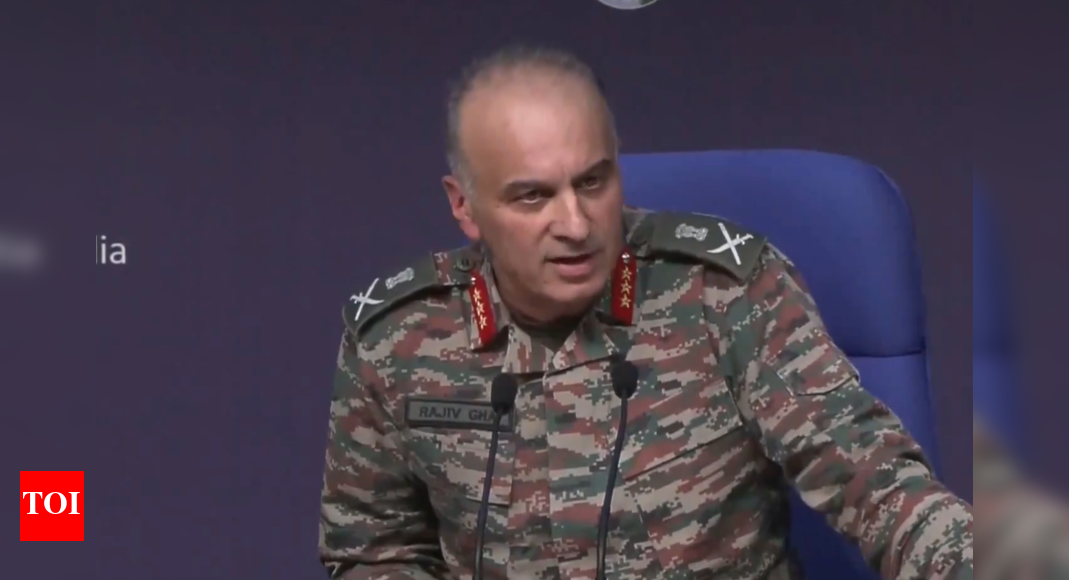
The escalating tensions between India and Pakistan have once again taken center stage, with the recent exchange of warnings and accusations highlighting the fragility of peace along the Line of Control (LoC). The Director General of Military Operations (DGMO) of India, Lt Gen Rajiv Ghai, addressed the media on Sunday, conveying a stern message to Pakistan: any further violation of the ceasefire agreement, whether occurring 'tonight, subsequently, or later,' would be met with a 'fierce response.' This assertive stance was communicated through a fresh hotline message sent to the Pakistani military establishment, underscoring the gravity of the situation and the potential for further escalation. The DGMO's briefing provided a detailed account of the events leading up to this renewed warning, shedding light on the sequence of actions and reactions that have characterized the relationship between the two nuclear-armed neighbors in recent weeks. The ceasefire agreement, reached on May 10, was intended to provide a respite from the ongoing hostilities and create an environment conducive to dialogue. However, this fragile truce was short-lived, with Pakistan allegedly violating the understanding just hours after it came into effect. Lt Gen Ghai expressed his disappointment and, perhaps, a degree of resignation, noting that this breach was 'expected,' given the history of violations and mistrust between the two countries. The Indian military's response to these violations has been robust, with targeted actions aimed at neutralizing the sources of the ceasefire breaches. The Chief of Army Staff has granted full authority to army commanders to take counteraction in the 'kinetic domain,' signaling a willingness to use force to defend India's interests and protect its citizens. This authorization reflects a heightened state of alert and a determination to deter further provocations from across the border. The current situation is rooted in a complex web of historical grievances, territorial disputes, and cross-border terrorism. The recent terror attack in Pahalgam, which resulted in the loss of 26 civilian lives, served as a catalyst for renewed tensions. India's response to this attack, codenamed 'Operation Sindoor,' involved targeting terrorist camps across the border, including those linked to the IC-814 hijacking and the Pulwama bombing. These actions were intended to send a clear message that India would not tolerate cross-border terrorism and would take decisive steps to protect its national security. Pakistan, in turn, retaliated with drone and missile strikes on Indian military positions and civilian areas, further escalating the conflict. The DGMO confirmed that Pakistan suffered significant casualties in India's retaliatory operations, with an estimated 35-40 personnel killed. India, on the other hand, reported five casualties. Despite the heightened tensions and the exchange of fire, India has maintained that its actions have been 'focused' and 'non-escalatory,' aimed at deterring further aggression rather than provoking a full-scale conflict. However, the DGMO made it clear that any threat to India's sovereignty or the safety of its citizens would be met with 'decisive force.'
The DGMO's press briefing also revealed the circumstances surrounding the May 10 ceasefire agreement. According to Lt Gen Ghai, the truce was initially proposed by Pakistan. He recounted receiving a hotline message from his Pakistani counterpart on the morning of May 10, expressing a willingness to communicate. This conversation took place at 15:35 hours and resulted in a temporary cessation of hostilities, starting from 17:00 hours that same day. The agreement led to a cessation of cross-border firing and air intrusions by either side. A follow-up conversation was scheduled for May 12 to discuss ways to maintain the truce. However, the agreement quickly unraveled, with Pakistan allegedly violating the terms within a couple of hours. The violations included cross-border and across LoC firing, as well as drone intrusions across the western front. This breach of trust has further eroded confidence between the two sides and made it more difficult to achieve a lasting peace. The DGMO's remarks highlight the challenges of maintaining stability in the region, given the deep-seated mistrust and the tendency for agreements to be violated. The situation is further complicated by the presence of non-state actors and the ongoing threat of cross-border terrorism. The recent events underscore the need for both India and Pakistan to exercise restraint and engage in meaningful dialogue to address the underlying issues that fuel the conflict. The international community also has a role to play in facilitating communication and promoting a peaceful resolution to the dispute. The current cycle of escalation and retaliation is unsustainable and poses a significant threat to regional stability. It is imperative that both sides take steps to de-escalate tensions and work towards a more constructive relationship. This requires a willingness to address the root causes of the conflict, including cross-border terrorism, territorial disputes, and historical grievances. It also requires a commitment to upholding agreements and respecting the sovereignty of the other side. The path to peace is not easy, but it is essential for the long-term security and prosperity of the region. The alternative is a continuation of the cycle of violence and instability, which will only serve to exacerbate the existing problems and create new ones. The DGMO's warning to Pakistan should be seen as a call for restraint and a reminder of the consequences of further escalation. It is now up to both sides to choose the path of peace and work towards a more stable and secure future.
The history of conflict between India and Pakistan is long and complex, marked by wars, skirmishes, and periods of heightened tension. The core issue remains the territorial dispute over Jammu and Kashmir, which has been a source of contention since the partition of India in 1947. The Line of Control (LoC), which divides the region between the two countries, is a heavily militarized zone and a frequent site of ceasefire violations. Cross-border terrorism has also been a major source of friction between India and Pakistan. India has long accused Pakistan of supporting and training terrorist groups that operate on its soil. Pakistan denies these allegations but acknowledges that non-state actors may be operating from its territory. The international community has repeatedly called on Pakistan to take action against terrorist groups and prevent them from carrying out attacks in India. The relationship between India and Pakistan is further complicated by the presence of nuclear weapons. Both countries possess nuclear arsenals and the potential for nuclear escalation is a constant concern. The lack of communication and trust between the two sides increases the risk of miscalculation and accidental conflict. There have been several attempts to normalize relations between India and Pakistan, but these efforts have often been derailed by political instability and security concerns. The most recent attempt at dialogue was initiated in 2015, but it was suspended following a series of terrorist attacks in India. The current situation is characterized by a lack of communication and a high degree of mistrust. The DGMO's warning to Pakistan is a sign that India is prepared to take a tough stance in the face of continued provocations. However, it is also important to recognize the need for dialogue and diplomacy to resolve the underlying issues that fuel the conflict. The long-term solution to the conflict lies in addressing the root causes of the dispute and building trust between the two sides. This requires a willingness to compromise and a commitment to peaceful resolution. The international community can play a role in facilitating communication and promoting a more constructive relationship between India and Pakistan. The recent events serve as a reminder of the fragility of peace in the region and the need for continued efforts to de-escalate tensions and prevent further conflict. The future of the relationship between India and Pakistan will depend on the choices made by the leaders of both countries. It is imperative that they choose the path of peace and work towards a more stable and secure future for the region.
Furthermore, the implications of the DGMO's statement extend beyond the immediate context of ceasefire violations. It represents a strategic shift in India's approach towards Pakistan, characterized by a greater emphasis on deterrence and a willingness to use force to protect its interests. This shift is driven by a number of factors, including the increasing sophistication of Pakistan's military capabilities, the continued threat of cross-border terrorism, and the perception that Pakistan is not serious about addressing these issues. The Indian government's decision to grant full authority to army commanders to take counteraction in the 'kinetic domain' signals a departure from its previous policy of restraint. This authorization reflects a growing impatience with Pakistan's continued provocations and a determination to send a clear message that India will not tolerate such behavior. The DGMO's remarks also highlight the importance of maintaining a credible deterrent. The Indian military is committed to ensuring that it has the capabilities necessary to respond effectively to any threat from Pakistan. This includes investing in advanced military technology, strengthening its border security, and conducting regular military exercises. The credibility of India's deterrent depends on its ability to convince Pakistan that any attack would be met with a swift and decisive response. This requires a combination of military strength, political resolve, and clear communication. The DGMO's statement serves as a clear warning to Pakistan that India is prepared to use force if necessary to defend its interests. However, it is also important to recognize the risks associated with a policy of deterrence. The potential for miscalculation and accidental escalation is always present, and the consequences of a full-scale conflict between India and Pakistan would be catastrophic. Therefore, it is essential that both sides exercise restraint and avoid taking actions that could be interpreted as provocative. The international community also has a role to play in managing the tensions between India and Pakistan. The United Nations, the United States, and other major powers can use their influence to encourage dialogue and promote a peaceful resolution to the conflict. It is in the interest of all parties to avoid a war between India and Pakistan. The DGMO's statement is a reminder of the dangers of the current situation and the need for continued efforts to de-escalate tensions and prevent further conflict. The future of the region depends on the ability of India and Pakistan to find a way to coexist peacefully.