
 |
|
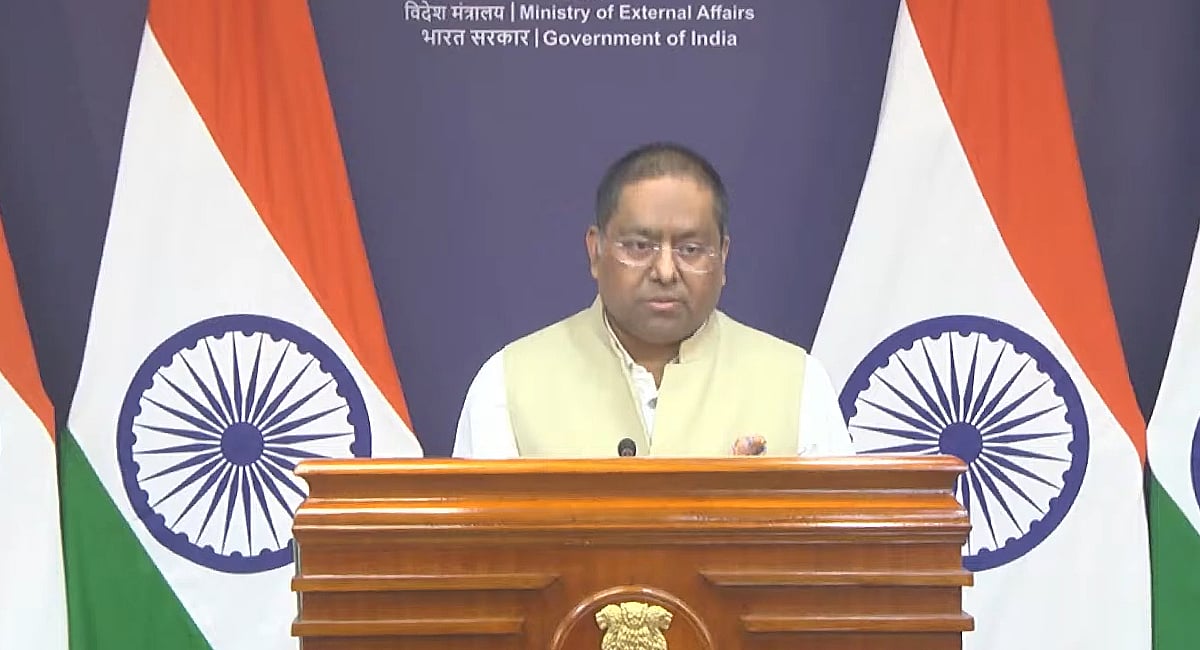
The article details India's firm stance against engaging in dialogue with Pakistan amidst ongoing concerns regarding terrorism. The rejection of Pakistan Prime Minister Shehbaz Sharif's offer for renewed talks underscores India's long-standing policy of not engaging in diplomatic discussions while Pakistan continues to support or harbor terrorist activities. This position is clearly articulated through the Ministry of External Affairs (MEA) spokesperson, Randhir Jaiswal, who reiterates the familiar phrase: "terrorism and talks cannot go together." This statement is not merely a reactive comment; it represents a deeply entrenched aspect of India's foreign policy towards Pakistan, shaped by decades of cross-border terrorism and perceived lack of genuine effort from Pakistan to dismantle terrorist infrastructure operating within its borders. The Indian government's insistence on the extradition of known terrorists, whose records have been submitted to Pakistan, highlights the core issue: a lack of trust and tangible action from Pakistan to address India's security concerns. The demand for the vacation of Pakistan-occupied Kashmir (PoK) further complicates the situation, linking any potential dialogue to the resolution of territorial disputes that have been a source of contention between the two countries since their independence. This condition essentially sets a high bar for engagement, reflecting India's determination to address fundamental issues before considering any form of diplomatic normalization. The historical context of strained relations, marked by wars, proxy conflicts, and persistent border tensions, further reinforces the rationale behind India's cautious approach. India’s perspective is rooted in the belief that meaningful dialogue can only occur when Pakistan demonstrates a genuine commitment to combating terrorism and addressing India's security concerns. The repeated assertion that "terrorism and talks cannot go together" serves as both a policy statement and a message to the international community, highlighting India's unwavering resolve in prioritizing its national security interests.
In addition to its response to Pakistan's overture, the article also covers India's reaction to allegations of interference in Bangladesh's internal affairs. The interim government’s Chief Adviser Mohammad Yunus had reportedly accused India of meddling in the country’s political landscape. India vehemently denied these accusations, characterizing them as an attempt to deflect blame for internal unrest. This denial is significant because it reflects India's concern over the stability and democratic processes in its neighboring countries. India has consistently advocated for peaceful and inclusive elections in Bangladesh, emphasizing the importance of a fair and transparent electoral process for the long-term stability of the region. The call for early and inclusive elections underscores India's desire for a stable and democratically elected government in Bangladesh, one that can effectively address the country's challenges and maintain strong bilateral relations with India. The allegations of interference, whether substantiated or not, have the potential to strain diplomatic relations and create friction between the two countries. India's response is aimed at mitigating any potential damage and reaffirming its commitment to non-interference in the internal affairs of its neighbors, while also expressing its support for democratic governance and stability in the region. The timing of these allegations, coinciding with political unrest and preparations for upcoming elections in Bangladesh, adds another layer of complexity to the situation. India's careful and measured response reflects its awareness of the sensitivities involved and its desire to maintain a positive and productive relationship with Bangladesh, regardless of the political dynamics within the country.
The two issues – India's stance on dialogue with Pakistan and its response to allegations from Bangladesh – are seemingly disparate but both demonstrate India's assertive and proactive foreign policy approach. In the case of Pakistan, the emphasis is on addressing core security concerns before engaging in diplomatic niceties. This stance reflects a pragmatic assessment of the relationship, prioritizing concrete actions over symbolic gestures. With Bangladesh, the focus is on maintaining stability and promoting democratic processes in a neighboring country, while also defending against accusations of interference. This approach is indicative of India's broader role as a regional power, one that seeks to promote stability and development in its neighborhood while also safeguarding its own interests. The interplay between these two issues highlights the complex challenges of navigating regional geopolitics, where historical grievances, security concerns, and domestic political considerations often intersect. India's response to both Pakistan and Bangladesh is characterized by a firm assertion of its national interests, a commitment to regional stability, and a willingness to engage in diplomatic dialogue when conditions are conducive to meaningful progress. The articulation of these positions through official channels, such as the MEA spokesperson, underscores the importance that India attaches to projecting a consistent and credible image on the international stage. Ultimately, India's foreign policy aims to create a stable and prosperous neighborhood, one that is free from terrorism and conducive to peaceful cooperation and development. However, achieving this goal requires a nuanced and multifaceted approach, one that balances the pursuit of national interests with the promotion of regional stability and democratic values. The cases of Pakistan and Bangladesh serve as prime examples of the complexities involved in this endeavor.