
 |
|
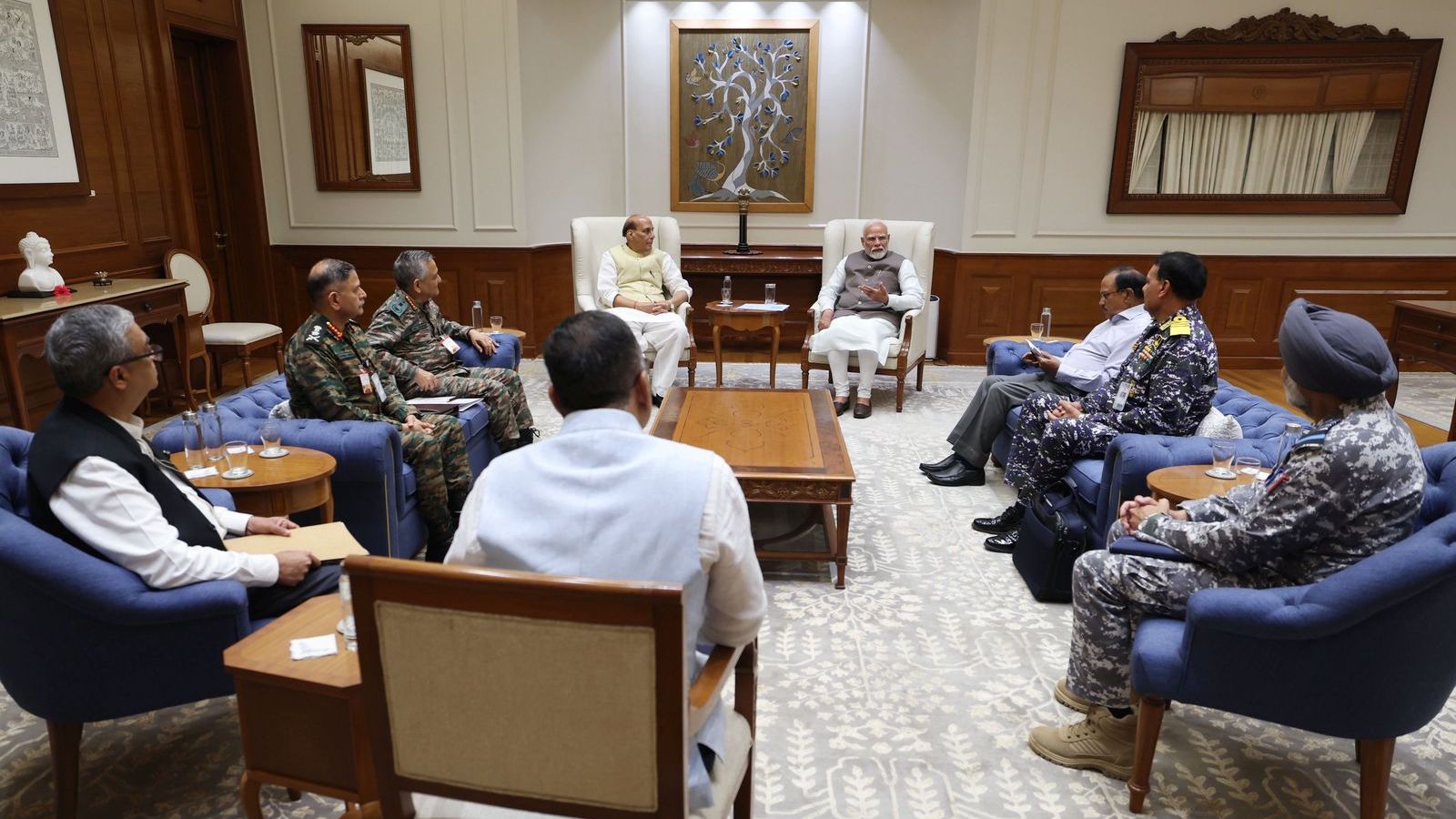
The article details a series of high-level meetings convened in India to address escalating security concerns, primarily those stemming from tensions with Pakistan. Prime Minister Narendra Modi spearheaded these discussions, engaging with key figures from the defence establishment and intelligence agencies to assess the current security landscape and strategize for future actions. The focus appears to be on strengthening India's defenses and ensuring preparedness against potential threats. The sequence of events underscores the seriousness with which the Indian government is treating the situation, particularly in light of recent attempts by Pakistan to target Indian military installations. The Prime Minister's direct involvement highlights the strategic importance of the matter at the highest levels of government, signaling a unified and decisive response to perceived threats. Furthermore, the inclusion of former chiefs of the armed services in the consultations emphasizes a commitment to leveraging experience and expertise in shaping India's security posture. This collaborative approach suggests a recognition of the multifaceted nature of the challenges involved, requiring both current operational capabilities and historical understanding to effectively address them. The review of airport security, conducted by Home Minister Amit Shah, broadens the scope of concern beyond the immediate border region, indicating a comprehensive assessment of potential vulnerabilities across critical infrastructure. The participation of various directors-general from security agencies underscores a coordinated effort to implement enhanced security measures and mitigate potential risks. The article paints a picture of a nation actively engaged in bolstering its defenses and preparing for potential contingencies in a volatile geopolitical environment. The repeated emphasis on India's readiness to defend its sovereignty and ensure the safety of its people serves as a message of reassurance to the public and a deterrent to potential adversaries.
The strategic importance of the India-Pakistan border cannot be overstated, given the historical context of conflict and ongoing territorial disputes. The heightened security measures detailed in the article reflect a proactive approach to managing this volatile region. The Border Security Force's (BSF) successful thwarting of an infiltration attempt underscores the importance of vigilance and effective border control. The details surrounding the Pakistani attempts to target Indian military installations, while not explicitly elaborated upon, suggest a level of sophistication and coordination that demands a robust and adaptive defense strategy. The Indian response, characterized as effectively engaging and thwarting these attempts, highlights the capabilities of the Indian armed forces. Defence Minister Rajnath Singh's statement that “no limit will become an obstacle to protect India’s sovereignty” reinforces India's unwavering commitment to defending its territorial integrity, signaling a willingness to take necessary actions to safeguard national interests. The review of operational preparedness along the western border indicates a specific focus on the potential threats emanating from Pakistan, suggesting a tailored response based on intelligence assessments and strategic considerations. The involvement of the Chief of Defence Staff (CDS) in multiple meetings highlights the integrated approach to defense planning, ensuring coordination and synergy across the Army, Navy, and Air Force. The article serves as a snapshot of a nation actively managing a complex and evolving security landscape, prioritizing preparedness, and signaling resolve to protect its interests in a challenging geopolitical environment.
The article, while informative, lacks specifics regarding the nature of the Pakistani attempts and the Indian response. Details concerning the technologies used in the engagement, the precise locations of the incidents, and the impact of the Pakistani actions would provide a more comprehensive understanding of the situation. The article also lacks insight into the diplomatic efforts, if any, that are being undertaken to de-escalate tensions between India and Pakistan. A more balanced perspective would include perspectives from the Pakistani side, acknowledging their narrative of events and addressing any concerns or accusations they may have raised. The article's reliance on official statements and press releases may limit its objectivity, as it primarily presents the Indian government's perspective on the situation. Further investigation and independent reporting would be necessary to provide a more nuanced and comprehensive analysis. Furthermore, exploring the broader regional and international context would enrich the analysis. The involvement of other actors, such as China, and the role of international organizations in mediating the dispute could be considered. An examination of the economic implications of the heightened security measures and the potential impact on cross-border trade would also be relevant. Finally, assessing the public perception of the situation and the level of support for the government's actions would provide a more complete picture of the security landscape. The article serves as a valuable starting point for understanding the current security situation between India and Pakistan, but further investigation is needed to provide a more comprehensive and nuanced analysis.
The repeated phrase “Story continues below this ad” suggests that the original article is likely hosted on a website that heavily relies on advertising revenue. This observation, while not directly related to the article's content, is relevant to its context and potential biases. The placement of advertisements within the article may influence the reader's perception of the information presented, particularly if the advertisements are related to defense or security products. The article also highlights the importance of media literacy in critically evaluating news sources and recognizing potential biases. Readers should be aware of the potential influence of advertising revenue and seek out diverse perspectives to form a balanced understanding of the situation. The presence of advertisements also underscores the commercial nature of news reporting, where revenue generation often takes precedence over journalistic integrity. This can lead to sensationalized headlines, biased reporting, and a focus on topics that attract the most clicks. Readers should be cautious of these factors and carefully evaluate the credibility of news sources before accepting information as factual. The article serves as a reminder of the importance of critical thinking and media literacy in navigating the complex landscape of online news. By being aware of potential biases and seeking out diverse perspectives, readers can become more informed and engaged citizens.
India’s strategic doctrine of credible minimum deterrence plays a crucial role in maintaining stability in the region. The possession of nuclear weapons by both India and Pakistan creates a complex security dynamic, characterized by mutual vulnerability and the risk of escalation. The heightened security measures detailed in the article can be interpreted as a demonstration of India's resolve to deter any potential aggression. However, they also carry the risk of escalating tensions and triggering a counter-response from Pakistan. The need for dialogue and diplomacy is paramount in managing this delicate balance and preventing any miscalculations that could lead to conflict. The international community has a responsibility to facilitate communication between India and Pakistan and to encourage them to resolve their disputes peacefully. The article highlights the importance of responsible behavior by both countries and the need to avoid any actions that could destabilize the region. The pursuit of peace and stability requires a long-term commitment to dialogue, diplomacy, and mutual understanding. The article underscores the importance of international cooperation in addressing the challenges facing the region and promoting a peaceful resolution to the India-Pakistan conflict. The long-standing issues such as Kashmir dispute require sustained diplomatic efforts and resolution through peaceful means.
The geographical realities of the India-Pakistan border region significantly influence security considerations. The diverse terrain, ranging from mountainous regions to deserts, presents unique challenges for border control and surveillance. The presence of rivers and other natural features further complicates the task of securing the border. The article implicitly acknowledges the importance of adapting security measures to the specific geographical characteristics of each region. The use of technology, such as drones and surveillance equipment, is essential for monitoring the border and detecting potential infiltration attempts. However, human intelligence and ground patrols remain crucial for maintaining a comprehensive security presence. The article highlights the importance of investing in infrastructure and training to enhance the capabilities of border security forces. The challenges posed by the terrain also underscore the importance of cooperation with local communities, who can provide valuable information and support in securing the border. The article serves as a reminder of the complex interplay between geography and security in shaping the dynamics of the India-Pakistan border region. Effective border management requires a multifaceted approach that combines technology, human intelligence, and community engagement.
The economic dimensions of security are often overlooked but are crucial for understanding the overall context. The escalating tensions between India and Pakistan can have significant economic consequences, including disruptions to trade, investment, and tourism. The diversion of resources towards defense spending can also detract from economic development and social programs. The article implicitly acknowledges the economic costs of maintaining a heightened security posture. The need to balance security concerns with economic priorities is a key challenge for both India and Pakistan. Cooperation in areas such as trade and infrastructure development can help to build trust and reduce tensions. The article highlights the potential for economic integration to serve as a catalyst for peace and stability in the region. However, economic cooperation requires a conducive political environment and a commitment to resolving outstanding disputes. The article serves as a reminder of the interconnectedness between security and economic prosperity and the importance of pursuing policies that promote both.
The role of public opinion in shaping security policy should not be underestimated. Public sentiment towards Pakistan can significantly influence the government's approach to managing the relationship. Heightened tensions and perceived threats can lead to increased public support for a more assertive security posture. The article implicitly acknowledges the importance of managing public expectations and communicating effectively about security challenges. The government has a responsibility to provide accurate and transparent information to the public while avoiding any actions that could inflame tensions or incite hatred. The article highlights the importance of fostering a climate of understanding and tolerance, even in the face of adversity. Public diplomacy and cultural exchanges can play a role in building bridges between India and Pakistan and promoting a more positive perception of each other. The article serves as a reminder of the power of public opinion to shape security policy and the importance of promoting responsible and informed public discourse.
The role of non-state actors in the India-Pakistan conflict adds another layer of complexity to the security landscape. Terrorist groups operating from Pakistani soil pose a significant threat to Indian security. The article implicitly acknowledges the challenges posed by these non-state actors and the need for effective counter-terrorism measures. The Pakistani government has a responsibility to prevent its territory from being used as a base for terrorist activities. The article highlights the importance of international cooperation in combating terrorism and dismantling terrorist networks. Intelligence sharing and joint operations can be effective tools for disrupting terrorist plots and preventing attacks. The article serves as a reminder of the ongoing threat posed by non-state actors and the need for sustained efforts to counter terrorism.
The evolving nature of warfare requires constant adaptation and innovation in security strategies. The use of drones, cyberattacks, and other emerging technologies poses new challenges for defense planners. The article implicitly acknowledges the importance of investing in research and development to stay ahead of the curve. The Indian armed forces must be equipped with the latest technology and trained to counter emerging threats. The article highlights the need for closer collaboration between the military, academia, and the private sector to develop innovative solutions. The article serves as a reminder of the constant need to adapt to the changing landscape of warfare and the importance of investing in future capabilities.
Source: Operation Sindoor: PM chairs high-level meeting with defence brass, reviews security