
 |
|
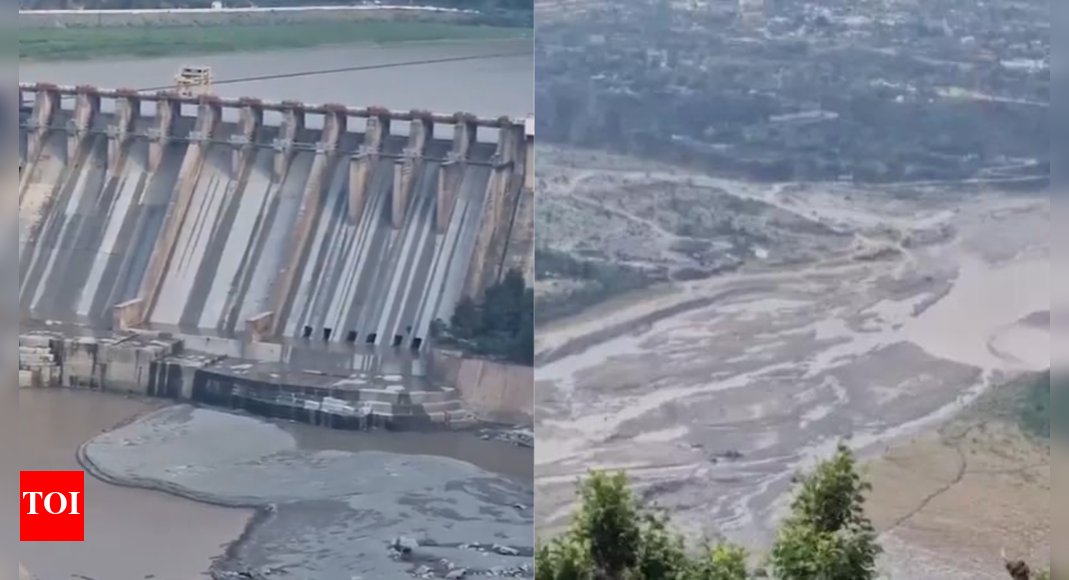
The article details India's strategic moves to leverage its water resources following the suspension of the Indus Water Treaty (IWT) in the aftermath of the Pahalgam terror attack. The core of India's strategy revolves around maximizing water storage capacity and regulating the flow of water into Pakistan, primarily through the western rivers of the Indus, Jhelum, and Chenab. This multifaceted approach involves immediate, short-term, medium-term, and long-term measures, each contributing to the overarching goal of asserting greater control over water resources and potentially exerting pressure on Pakistan. Immediately, India is focusing on flushing and desilting reservoirs of existing run-of-the-river hydropower projects, specifically Baglihar and Salal, located on the Chenab River in Jammu and Kashmir. Flushing, a process of clearing sediments from the reservoir using high water flow, and desilting, the removal of deposited sediment, are crucial for enhancing storage capacity and extending the operational lifespan of these projects. The temporary suspension of the IWT, according to Kushvinder Vohra, former chairman of the Central Water Commission, removes the obligation to adhere to its provisions, allowing India to undertake these flushing activities without constraint. This is perceived as a significant advantage, allowing projects with smaller live poundages, like Baglihar and Kishanganga, to complete the flushing process quickly, typically within one to two days. The short-term measures extend beyond reservoir maintenance. A key aspect is the proposed curbing of water flow from the Kishanganga project, diverting nine cusecs of water, which was previously mandated to be released as per an earlier agreement. This diverted water would be utilized for enhanced power generation within India, directly benefiting the country's energy needs. Furthermore, the roadmap outlines medium-term strategies centered on expediting the construction of several ongoing hydro-power projects. These projects include Pakal Dul (1000 MW), Ratle (850 MW), Kiru (624 MW), and Kwar (540 MW), all of which are significant investments in India's hydropower infrastructure. Accelerating their completion would substantially increase India's capacity to store and regulate water flow, providing greater control over the western rivers. Looking further ahead, the long-term plan involves the development of four additional power projects, designed to maximize India's utilization of water from the western rivers. These projects aim not only to increase India's hydropower capacity in Jammu & Kashmir from approximately 4,000 MW to over 10,000 MW but also to significantly enhance water storage capacity. This increased capacity would be beneficial for the Union Territory of Jammu & Kashmir and neighboring states, providing a reliable source of water for various purposes, including irrigation, industry, and domestic use. Beyond these specific projects, the roadmap includes several other critical measures. The long-stalled Tulbul project on the Jhelum River is to be revived, addressing a longstanding point of contention between India and Pakistan. Works on the Wuller Lake and Jhelum River are also planned to improve flood management, mitigating the risk of devastating floods in the region. The development of lift projects, which can be completed relatively quickly, is another strategy for utilizing water resources effectively. Furthermore, the plan calls for the adequate use of existing canals, such as the Ranbir and Pratap canals, to ensure that more water is available for the Jammu region, improving irrigation and water supply. The article concludes with a veiled reference to further, unspecified actions that could be implemented at a later stage. Kushvinder Vohra's statement, "Many other things can also be done which may unfold at an appropriate time," suggests that India is prepared to take additional steps to assert its control over water resources, potentially exacerbating tensions with Pakistan.
The strategic implications of India's actions are significant, impacting not only the bilateral relationship between India and Pakistan but also the broader geopolitical landscape of the region. The Indus Water Treaty, signed in 1960, has been a cornerstone of water resource management and cooperation between the two countries, even amidst periods of intense conflict. The treaty allocates the waters of the six Indus basin rivers between India and Pakistan, with India granted rights over the eastern rivers (Sutlej, Beas, and Ravi) and Pakistan over the western rivers (Indus, Jhelum, and Chenab). The current situation, with India temporarily suspending the treaty and pursuing measures to regulate water flow, represents a departure from this established framework and raises concerns about the long-term stability of the water-sharing arrangement. Pakistan has consistently raised concerns about India's hydropower projects on the western rivers, arguing that they violate the provisions of the IWT and could reduce the flow of water into Pakistan. India, on the other hand, maintains that its projects are designed in accordance with the treaty's guidelines and that it is committed to honoring its obligations. The suspension of the IWT and India's aggressive pursuit of water resource control measures could escalate tensions between the two countries, potentially leading to further disputes and even conflict. Water scarcity is already a major challenge in both India and Pakistan, and any unilateral actions that disrupt the flow of water could have severe consequences for agriculture, industry, and human livelihoods. The article highlights the complex interplay between water resources, national security, and regional geopolitics. India's decision to leverage its control over the western rivers is driven by a combination of factors, including concerns about cross-border terrorism, the desire to maximize its own water resources, and the strategic imperative to exert influence over Pakistan. However, this approach carries significant risks, potentially undermining the long-standing water-sharing agreement and exacerbating tensions in an already volatile region. It is essential for both India and Pakistan to engage in constructive dialogue and find mutually acceptable solutions to the challenges of water management and resource sharing. A cooperative approach, based on the principles of fairness, transparency, and sustainability, is crucial for ensuring the long-term stability and prosperity of the Indus basin region. The international community also has a role to play in facilitating dialogue and promoting cooperation between India and Pakistan on water issues. The World Bank, which played a key role in brokering the Indus Water Treaty, could help to revive the treaty's dispute resolution mechanism and facilitate discussions on outstanding issues. Ultimately, the sustainable management of water resources in the Indus basin requires a collaborative effort from all stakeholders, based on a shared understanding of the challenges and a commitment to finding mutually beneficial solutions. Unilateral actions and aggressive strategies are likely to exacerbate tensions and undermine the long-term stability of the region.
The potential consequences of India's actions extend beyond the immediate impact on water availability in Pakistan. The disruption of agricultural production, due to reduced water supply, could have far-reaching economic and social implications. Pakistan's agricultural sector is heavily reliant on irrigation from the Indus basin rivers, and any significant reduction in water flow could lead to crop failures, food shortages, and economic hardship, which will further fuel social discontent and political instability. The environmental consequences of altering the natural flow of the rivers are also a matter of concern. Reduced water flow could lead to increased salinity in the Indus delta, harming coastal ecosystems and threatening the livelihoods of fishing communities. It could also have adverse impacts on biodiversity, affecting aquatic life and wildlife habitats. Furthermore, the construction of dams and reservoirs can have significant environmental impacts, including altering river flow patterns, disrupting fish migration, and increasing sedimentation. It is important for India to carefully assess the environmental impacts of its water resource projects and to implement mitigation measures to minimize negative consequences. The article also raises questions about the future of the Indus Water Treaty and the prospects for cooperation between India and Pakistan on water issues. The treaty has been a remarkable achievement, providing a framework for water sharing and dispute resolution for over six decades. However, the current tensions and the suspension of the treaty raise concerns about its long-term viability. The treaty's dispute resolution mechanism has been invoked several times over the years, but it has often been slow and cumbersome. There is a need to strengthen the mechanism and to make it more responsive to the evolving challenges of water management. In addition, it is important for India and Pakistan to engage in a broader dialogue on water issues, addressing not only the technical aspects of water sharing but also the underlying political and strategic considerations. A comprehensive approach, based on trust and mutual understanding, is essential for building a sustainable and cooperative relationship on water resources. The article underscores the importance of water as a strategic resource and the potential for water to be a source of conflict or cooperation. In a world facing increasing water scarcity, it is crucial for countries to manage their water resources sustainably and to cooperate with their neighbors to ensure equitable access to water for all. The Indus Water Treaty is a valuable example of how cooperation can overcome political differences and promote shared prosperity. It is essential for India and Pakistan to preserve this legacy and to work together to ensure the long-term sustainability of the Indus basin region. The situation demands cautious diplomacy and a commitment to finding peaceful solutions, lest the region plunges deeper into instability and conflict. The future of water management in the Indus basin hinges on the ability of India and Pakistan to transcend their political differences and to embrace a cooperative approach to water resource management.
Source: India prepares dams to store more water, lines up multiple actions to choke Pak