
 |
|
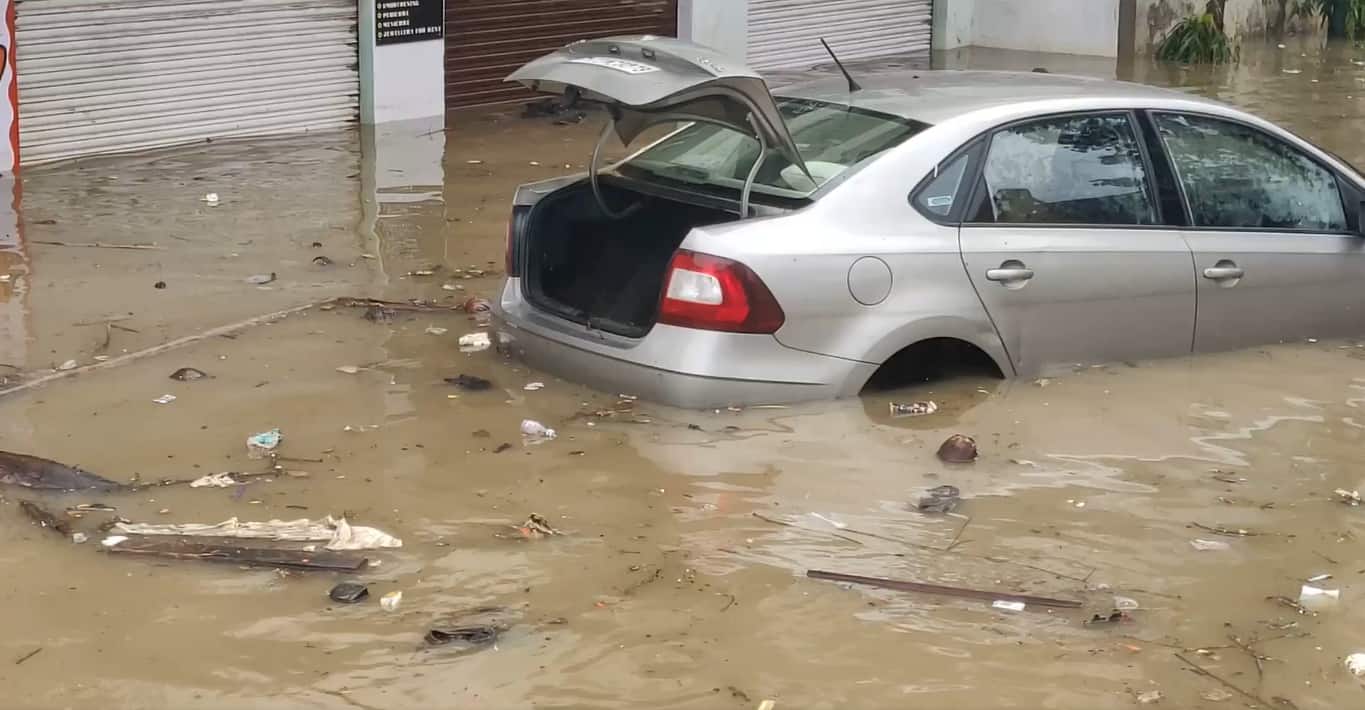
The India Meteorological Department (IMD) has issued an orange alert, signaling a heightened level of preparedness, for heavy rainfall expected to impact several major cities across India. Bengaluru, Mumbai, and Kolkata are among the cities bracing for intense weather conditions, including heavy rains, thunderstorms, and gusty winds. This announcement comes as a significant portion of the country grapples with diverse weather phenomena, highlighting the complexities and challenges of weather forecasting and disaster management in a geographically diverse nation like India. The IMD's alert underscores the importance of timely and accurate weather information in mitigating potential risks and ensuring public safety. The current weather patterns present a stark contrast, with some regions facing torrential downpours while others endure scorching heatwaves, further emphasizing the need for localized weather advisories and adaptive strategies. The impact of these extreme weather events can range from disruption of daily life and economic activities to more severe consequences such as infrastructure damage, displacement of communities, and loss of life. Therefore, the IMD's role in monitoring and predicting these events is crucial for enabling authorities and individuals to take appropriate precautions. In Bengaluru, the expected heavy rainfall follows a period of relatively mild weather, and residents are advised to prepare for potential flooding and traffic disruptions. The city's infrastructure, particularly its drainage system, may be strained by the sudden influx of water, potentially leading to localized flooding and travel delays. The orange alert for south interior Karnataka, which includes Bengaluru, is in effect until May 27, with a temporary yellow alert issued for May 22, indicating a slight reprieve before the rains are expected to intensify again. The Bengaluru Regional Meteorological Centre has issued specific warnings for heavy rain and thunderstorms in Shivamogga and Chikkamagaluru districts, urging residents in these areas to exercise extra caution. Other districts in the region, including Bellari, Chamarajanagar, Chikkaballapur, Chitradurga, Davanagere, Hassan, Kodagu, Kolar, Mandya, Mysuru, Ramanagara, Tumakuru, and Vijayanagara, are also expected to receive moderate showers, highlighting the widespread impact of the weather system. The IMD forecasts widespread moderate to heavy rainfall, accompanied by thunderstorms, lightning, and strong winds reaching up to 40-50 kmph, posing a significant threat to both urban and rural areas. In Mumbai, the city has already experienced significant rainfall, with over 60 mm recorded in a single day, leading to waterlogged roads, disrupted traffic, and public inconvenience. The Santacruz observatory recorded 62 mm of rainfall, while Colaba saw 23 mm, highlighting the uneven distribution of rainfall across the city. The Mumbai Regional Meteorological Centre attributes this rainfall to a cyclonic circulation over the Arabian Sea, which is expected to affect the region until May 24. IMD official Shubhangi Bhute, speaking to PTI, warned that rainfall might intensify over Mumbai, South Konkan, and South Central Maharashtra, with wind speeds reaching 30-40 kmph or even higher in some places, further exacerbating the challenges faced by residents. The city's infrastructure, already strained by rapid urbanization and inadequate planning, is particularly vulnerable to the impacts of heavy rainfall, leading to frequent flooding and disruptions to essential services. In Kolkata, the Kolkata Regional Meteorological Centre has issued an orange alert for May 22, anticipating heavy rainfall, thunderstorms, lightning, and strong winds in several districts, including Jhargram, West Midnapore, North and South 24 Parganas, and Nadia. These warnings are part of broader alerts for South Bengal, which could experience significant weather activity in the coming days, posing a threat to agriculture, infrastructure, and public safety. The city's low-lying areas are particularly susceptible to flooding, and residents are advised to take precautions to protect their homes and businesses. The IMD's warnings come at a time when the city is already grappling with other challenges, such as air pollution and water scarcity, further compounding the difficulties faced by residents. The contrast between the heavy rainfall in some parts of the country and the severe heatwave in others highlights the diverse and often unpredictable nature of weather patterns in India. While Bengaluru, Mumbai, and Kolkata brace for heavy rains, several states in north India, including Punjab, Haryana, Rajasthan, North Madhya Pradesh, and South Uttar Pradesh, continue to suffer under a severe heatwave. The IMD has issued heatwave warnings for these regions, with a red alert issued for Rajasthan, where temperatures are expected to soar up to 47 degrees Celsius, posing a significant threat to human health and well-being. The extreme heat can lead to heatstroke, dehydration, and other health complications, particularly for vulnerable populations such as the elderly, children, and those with pre-existing medical conditions. The situation demands immediate action to protect the public and provide necessary relief. The IMD's comprehensive weather monitoring and forecasting services play a vital role in informing and guiding these actions. The disparate weather conditions across the country underscore the need for tailored and localized disaster management strategies. The heavy rainfall in some regions necessitates measures such as flood control, evacuation of vulnerable populations, and provision of emergency relief, while the heatwave in other regions requires measures such as public awareness campaigns, provision of cooling shelters, and ensuring access to clean drinking water. The challenges posed by these extreme weather events are further compounded by factors such as rapid urbanization, climate change, and inadequate infrastructure, necessitating a holistic and integrated approach to disaster management. The IMD's role in providing timely and accurate weather information is crucial for enabling authorities and individuals to take appropriate precautions and mitigate the potential risks associated with these extreme weather events. In addition to the immediate response to these events, there is also a need for long-term planning and investment in climate resilience, including measures such as improving infrastructure, strengthening early warning systems, and promoting sustainable land use practices. The challenges posed by extreme weather events are likely to intensify in the coming years, underscoring the urgent need for action to address climate change and build a more resilient future. The orange alert issued by the IMD serves as a reminder of the importance of preparedness and vigilance in the face of these challenges. The current weather situation in India highlights the complex interplay of factors that contribute to extreme weather events, and the need for a comprehensive and coordinated response to address these challenges. The IMD's role in providing timely and accurate weather information is crucial for enabling authorities and individuals to take appropriate precautions and mitigate the potential risks associated with these events. As the country continues to grapple with the impacts of climate change, it is essential to invest in long-term solutions that will build resilience and ensure a sustainable future for all.
Source: Bengaluru, Mumbai, Kolkata to receive more rains amid IMD's orange alert for several cities