
 |
|
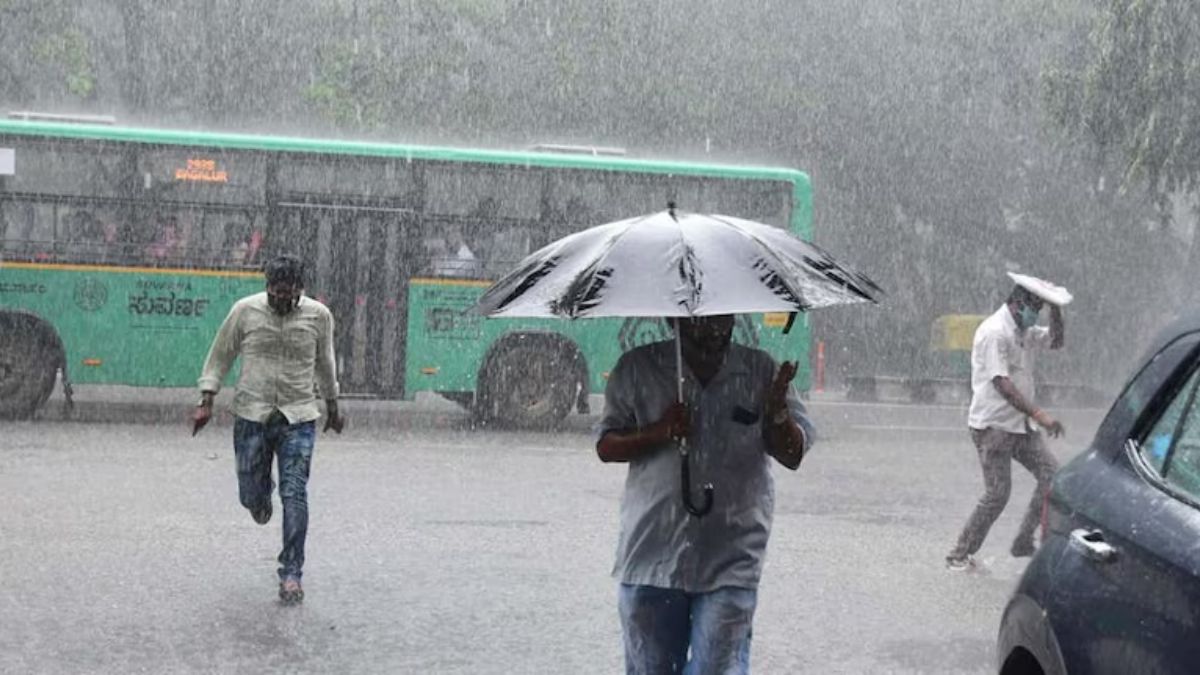
Bengaluru, the vibrant capital city of Karnataka, recently experienced a deluge of heavy rainfall that resulted in significant waterlogging across various low-lying areas. The India Meteorological Department (IMD) reported that the city received approximately 40 mm of rainfall within a 24-hour period, highlighting the intensity of the downpour. This sudden and substantial precipitation overwhelmed the city's drainage infrastructure, leading to widespread inundation and disruption. The adverse effects of the heavy rainfall were particularly acute in areas such as Sai Layout, which suffered from severe flooding, causing damage to homes and displacement of residents. The incident underscores the growing vulnerability of urban centers to extreme weather events, exacerbated by factors such as inadequate infrastructure and the impacts of climate change. The residents affected by the flooding faced considerable hardship, with household belongings soaked, vehicles partially submerged, and electronic items damaged beyond repair. Many were forced to seek refuge in safer locations, highlighting the immediate need for emergency relief and support services. The incident also raised concerns about the effectiveness of the city's drainage systems, with locals alleging that clogged drains were a major contributing factor to the flooding. They further claimed that repeated complaints to the authorities regarding the issue had gone unaddressed, indicating a potential systemic failure in maintenance and response. The heavy rainfall was not confined to Bengaluru alone. Other parts of Karnataka, particularly the Malnad region and coastal Karnataka, also experienced significant rainfall in recent days, reflecting a broader pattern of heightened precipitation across the state. The IMD issued a yellow alert for several districts, including Uttara Kannada, Udupi, Belagavi, Dharwad, Gadag, Haveri, and Shivamogga, indicating the potential for further adverse weather conditions. The alert served as a warning to residents in these areas to take necessary precautions and be prepared for potential disruptions. The weather department also mentioned that light to moderate rainfall is likely in Chamarajanagar, Chikkamagaluru, Mandya, Davanagere, Hassan, Kodagu, and Mysuru, suggesting that the widespread rainfall pattern is expected to continue in the coming days. In its daily bulletin issued on Sunday, the weather department forecasted light to moderate rain or thundershowers accompanied by lightning and gusty winds, with speeds reaching up to 30-40 km/h, likely to occur at isolated locations within the next three hours. The forecast further reinforced the need for vigilance and preparedness among residents in the affected areas. The weather department warned of temporary power disruptions, minor traffic issues, and the possible uprooting of weak trees due to the weather conditions, highlighting the potential for further disruptions and hazards. Residents in the affected districts were advised to stay indoors, keep windows and doors closed, and avoid unnecessary travel, emphasizing the importance of taking personal safety measures. The heavy rainfall and subsequent flooding in Bengaluru and other parts of Karnataka underscore the growing challenges posed by climate change and the need for proactive measures to mitigate its impacts. The incident highlights the importance of investing in robust infrastructure, including effective drainage systems, to cope with extreme weather events. It also emphasizes the need for improved maintenance and response mechanisms to address issues such as clogged drains and provide timely assistance to affected residents. Furthermore, the incident underscores the importance of raising public awareness about climate change and promoting sustainable practices to reduce greenhouse gas emissions. By addressing these challenges and implementing effective mitigation strategies, cities like Bengaluru can become more resilient to the impacts of climate change and ensure the safety and well-being of their residents.
The recent flooding in Bengaluru is not an isolated incident but rather part of a growing trend of extreme weather events occurring with increasing frequency and intensity across the globe. Climate change is widely recognized as a major driver of these events, leading to changes in precipitation patterns, rising sea levels, and more frequent and severe heatwaves, droughts, and storms. The Intergovernmental Panel on Climate Change (IPCC), the leading international body for assessing climate change, has warned that human activities, particularly the burning of fossil fuels, are the primary cause of global warming. The IPCC's reports have highlighted the urgent need to reduce greenhouse gas emissions to mitigate the impacts of climate change and avoid the most catastrophic consequences. The Paris Agreement, a landmark international agreement adopted in 2015, sets out a framework for countries to reduce their emissions and limit global warming to well below 2 degrees Celsius, preferably to 1.5 degrees Celsius, compared to pre-industrial levels. However, despite these efforts, global emissions continue to rise, and the world is not on track to meet the goals of the Paris Agreement. The consequences of inaction are becoming increasingly evident, with extreme weather events causing widespread damage, displacement, and loss of life. The flooding in Bengaluru serves as a stark reminder of the vulnerability of urban centers to climate change and the need for urgent action to address the issue. In addition to reducing greenhouse gas emissions, it is also crucial to adapt to the impacts of climate change that are already being felt. This includes investing in infrastructure that can withstand extreme weather events, such as improved drainage systems, flood defenses, and stronger buildings. It also involves developing early warning systems to alert residents of impending threats and providing them with the information and resources they need to prepare for and respond to emergencies. Furthermore, it is essential to promote sustainable land use practices and protect natural ecosystems, such as forests and wetlands, which can help to buffer against the impacts of climate change. These ecosystems provide a range of valuable services, including flood control, water purification, and carbon sequestration. By adopting a holistic approach that combines mitigation and adaptation, cities like Bengaluru can build resilience to climate change and ensure a sustainable future for their residents.
The response to the Bengaluru flooding has highlighted several key areas for improvement in disaster management and urban planning. Firstly, there is a need for better coordination between different government agencies and departments to ensure a more effective and efficient response to emergencies. This includes establishing clear lines of communication and responsibility, as well as developing joint strategies and protocols for disaster management. Secondly, there is a need for greater investment in urban infrastructure, particularly in drainage systems and flood defenses. Many cities in India, including Bengaluru, have aging infrastructure that is not equipped to handle the increasing frequency and intensity of extreme weather events. Upgrading and expanding this infrastructure is essential to mitigate the impacts of climate change and protect residents from flooding and other disasters. Thirdly, there is a need for more effective enforcement of building codes and regulations to prevent construction in areas that are vulnerable to flooding or other hazards. Many informal settlements and unauthorized constructions are located in areas that are highly susceptible to flooding, increasing the risk of damage and displacement. Enforcing building codes and regulations can help to prevent such construction and protect residents from harm. Fourthly, there is a need for greater public awareness about disaster preparedness and risk reduction. Many residents are not aware of the risks they face or the steps they can take to protect themselves and their families. Raising public awareness through education campaigns and community outreach programs can help to improve disaster preparedness and reduce the impacts of disasters. Finally, there is a need for more effective community engagement in disaster management. Local communities are often the first responders to disasters and can play a crucial role in providing assistance and support to affected residents. Engaging communities in disaster planning and response can help to ensure that their needs are met and that they are empowered to take action to protect themselves. By addressing these key areas for improvement, cities like Bengaluru can strengthen their disaster management capabilities and build resilience to climate change. This will require a concerted effort from government agencies, private sector organizations, and community members, working together to create a safer and more sustainable future.
Source: Bengaluru weather: Heavy rains trigger waterlogging, IMD issues yellow alert | Check forecast