
 |
|
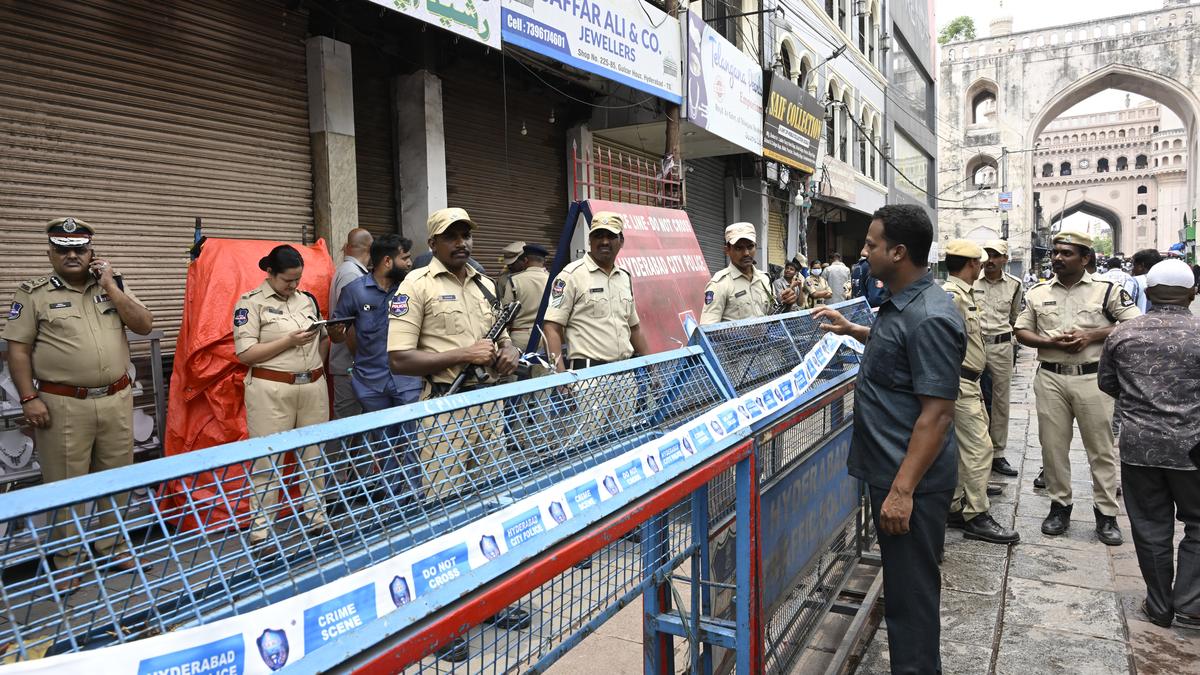
The devastating fire at Gulzar Houz has sparked a controversy, with residents and relatives of the victims claiming that the initial response was hampered by a lack of water in the first fire tenders. This allegation, made amidst the chaos and repeated during the visit of ministers to the morgue, has prompted officials to promise a thorough inquiry into the matter. The core of the accusation revolves around the belief that the delayed arrival of sufficient water slowed down rescue operations, potentially contributing to the severity of the consequences. This perception, whether accurate or not, underscores the emotional distress and heightened scrutiny that invariably follow tragic events, demanding transparency and accountability from those responsible for emergency response.
The Telangana State Disaster Response and Fire Services department, however, has vehemently denied the allegations of water shortage. Director General Y. Nagi Reddy has asserted that each fire tender adheres to national standards, carrying 4,500 liters of water. He further explained the deployment of bowsers, or water tankers, as a backup measure, emphasizing that it is standard practice to replenish tenders either at the station or via tankers. The department’s defense rests on the assertion that the available resources were adequate and deployed according to established protocols. Reddy also highlighted the high pump capacity of the tenders, capable of expelling 2,800 liters of water per minute, suggesting that the water supply would be exhausted rapidly at full throttle. This necessitates a judicious approach to water usage, informed by the technical expertise of the firefighting teams and a careful assessment of the specific situation on the ground. The DG’s explanation aims to counter the perception of inadequacy by emphasizing the limitations of individual tenders and the strategic deployment of backup resources, emphasizing the need for efficient water management in firefighting operations.
The firefighting operation at Gulzar Houz involved a significant deployment of resources, including eleven vehicles comprising water tenders, rescue tenders, and bowsers. A Bronto Skylift hydraulic platform was also utilized to provide aerial access. Although an advanced firefighting robot was on standby, it was ultimately deemed unnecessary for the operation. The scale of the response underscores the severity of the fire and the complex challenges faced by the firefighting teams. A total of seventeen officers and seventy personnel were actively involved in the operation, which lasted for nearly two hours. This represents a substantial commitment of manpower and equipment, highlighting the efforts made to contain the fire and rescue those trapped within the building. The details provided offer a contrasting perspective to the allegations of inadequate response, showcasing the coordinated efforts and significant resources mobilized to address the emergency.
The officer present at the scene characterized the operation as "high-risk", emphasizing the delicate balance between firefighting and rescue efforts amidst extreme heat, dense smoke, and zero visibility. These conditions significantly compounded the challenges faced by the firefighting teams, requiring them to navigate a dangerous and unpredictable environment. The officer’s description provides a glimpse into the ground-level realities of the operation, highlighting the inherent risks and the difficult decisions that had to be made under immense pressure. The account underscores the bravery and skill required of firefighters in such situations, as they prioritize both extinguishing the fire and rescuing trapped individuals while minimizing their own risk. The emphasis on "high-risk" conditions further contextualizes the response, offering a nuanced understanding of the factors that may have influenced the perceived effectiveness of the firefighting efforts.
Several key challenges significantly hampered the firefighting and rescue efforts. The building’s design, featuring only one narrow staircase less than a meter wide located centrally near the likely source of the fire, proved to be a major obstacle. As flames engulfed the lower floor, the stairwell quickly filled with smoke and heat, effectively cutting off the only access route to the upper floors. The lack of alternative exits and external windows or openings further compounded the problem, preventing the deployment of the hydraulic platform for rapid ventilation or access. These structural deficiencies significantly limited the options available to the firefighters, making it extremely difficult to reach and rescue those trapped on the upper floors. The architectural limitations of the building, therefore, played a crucial role in exacerbating the challenges of the firefighting operation, contributing to the severity of the consequences. The absence of escape routes and the concentration of access through a single, compromised stairwell created a bottleneck that hampered rescue efforts and increased the risk to both firefighters and trapped occupants. The building's design flaws should be thoroughly reviewed in investigations and serve as a cautionary tale for building codes and safety regulations to prevent similar tragedies in the future.
The discrepancy between the residents' claims of water shortage and the fire department's denial highlights the importance of objective investigation and clear communication during emergencies. While the emotional distress of the victims' families and neighbors is understandable, it is equally important to rely on factual evidence and expert assessments to determine the true cause of any perceived shortcomings in the response. A thorough inquiry into the firefighting operation is essential to identify any potential areas for improvement and to ensure that future responses are as effective as possible. This investigation should examine not only the availability of water but also the deployment strategies, communication protocols, and the effectiveness of the equipment used. Furthermore, it is crucial to address the underlying structural deficiencies of buildings like the one in Gulzar Houz, ensuring that they comply with modern safety standards and provide adequate escape routes in the event of a fire. The tragedy serves as a reminder of the importance of fire safety preparedness, including regular inspections, fire drills, and the implementation of effective emergency response plans. Transparency and accountability are paramount in rebuilding trust and ensuring that lessons are learned from this devastating incident. The public must be informed of the inquiry's findings and the steps taken to address any identified weaknesses in the firefighting and emergency response system.
Moreover, the incident sheds light on the broader challenges of urban planning and building regulations in densely populated areas. The presence of narrow streets, inadequate infrastructure, and non-compliant buildings can significantly hinder emergency response efforts and exacerbate the impact of disasters. Addressing these issues requires a multi-faceted approach, involving urban planners, building regulators, and community stakeholders. Implementing stricter building codes, improving infrastructure, and promoting community awareness of fire safety are essential steps in mitigating the risks of future tragedies. Investing in modern firefighting equipment, training personnel, and establishing efficient communication networks are also crucial components of a comprehensive disaster preparedness strategy. Furthermore, it is important to empower communities to participate in disaster preparedness efforts, providing them with the knowledge and resources they need to protect themselves and their neighbors. By working together, government agencies, community organizations, and individual citizens can create safer and more resilient urban environments. The Gulzar Houz fire serves as a stark reminder of the urgent need to address these challenges and prioritize fire safety in all aspects of urban development.
The role of technology in modern firefighting also deserves attention. While an advanced firefighting robot was on standby during the Gulzar Houz fire, it was ultimately not deployed. This raises questions about the effectiveness and suitability of such technologies in real-world scenarios. Firefighting robots can offer significant advantages in hazardous environments, allowing firefighters to remotely assess the situation, deliver water or other extinguishing agents, and rescue trapped individuals without risking their own lives. However, the successful deployment of these technologies requires careful planning, specialized training, and a thorough understanding of their capabilities and limitations. Further research and development are needed to improve the reliability, maneuverability, and adaptability of firefighting robots, ensuring that they can effectively navigate complex and unpredictable environments. Furthermore, it is crucial to integrate these technologies into existing firefighting strategies and protocols, providing firefighters with the necessary tools and training to utilize them effectively. The Gulzar Houz fire highlights the need for continuous innovation and investment in firefighting technology, as well as a commitment to training and equipping firefighters with the latest tools and techniques.
Finally, the psychological impact of the Gulzar Houz fire on the affected community cannot be overlooked. The trauma of witnessing such a devastating event can have long-lasting effects on the mental health and well-being of residents, particularly those who lost loved ones or suffered property damage. Providing access to counseling services, support groups, and other mental health resources is essential in helping individuals cope with the trauma and rebuild their lives. Furthermore, it is important to foster a sense of community and solidarity, encouraging residents to support each other and work together to overcome the challenges they face. Government agencies, community organizations, and mental health professionals can play a vital role in providing these resources and facilitating community healing. The Gulzar Houz fire serves as a reminder of the importance of addressing the psychological needs of disaster-affected communities, ensuring that they receive the support they need to recover and rebuild their lives. By providing compassionate and comprehensive care, we can help individuals and communities heal from the trauma of disaster and emerge stronger and more resilient.
Source: Gulzar Houz fire: As angry residents quiz firefighting effort, officials deny water shortage claim