
 |
|
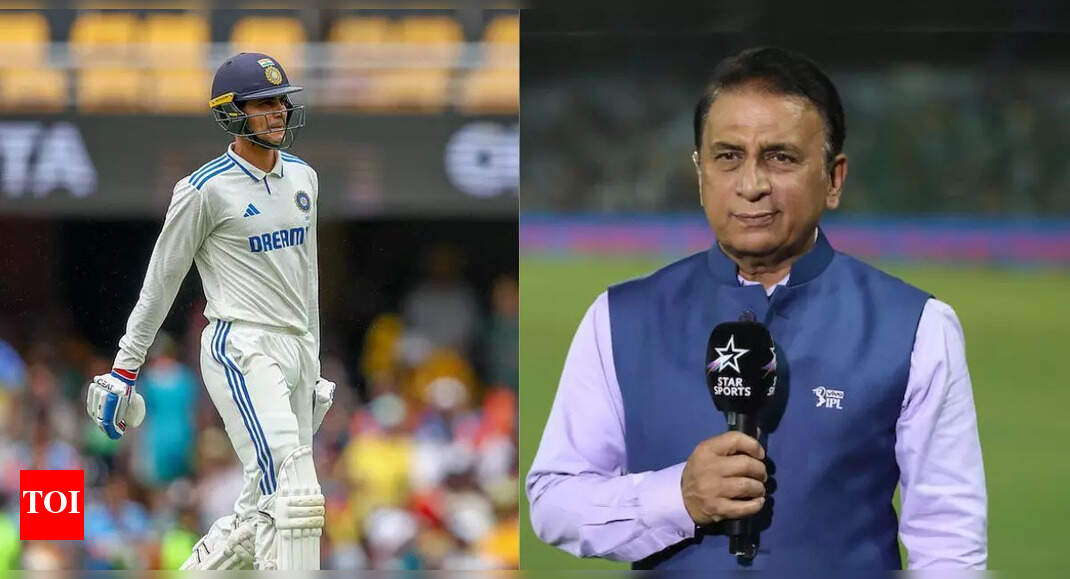
The appointment of Shubman Gill as India's Test captain has sparked considerable discussion, particularly in light of the advice offered by legendary cricketer Sunil Gavaskar. Gavaskar's emphasis on the importance of behavior over performance highlights a crucial aspect of leadership, especially in a team sport like cricket where camaraderie, respect, and mutual understanding are paramount. While performance on the field is undoubtedly a key indicator of a player's value, Gavaskar's perspective underscores the significance of a captain's demeanor, communication skills, and ability to foster a positive and cohesive team environment. A captain's behavior sets the tone for the entire team, influencing morale, motivation, and ultimately, performance. If a captain is perceived as arrogant, dismissive, or lacking in empathy, it can create divisions within the team, undermine trust, and negatively impact overall performance. Conversely, a captain who is respectful, approachable, and supportive can inspire confidence, foster a sense of unity, and encourage players to perform at their best. Gavaskar's advice is particularly relevant in the context of Gill's appointment, as he is relatively young and inexperienced compared to some of his teammates. While Gill's talent and potential are undeniable, his ability to lead effectively will depend on his ability to earn the respect and trust of his players. This requires him to demonstrate not only his cricketing prowess but also his maturity, emotional intelligence, and ability to communicate effectively. He has to balance the need to lead by example with the understanding of individual differences within the team and provide customized encouragement and strategic intervention as needed. He must be aware that he is now the face of the team and his actions are perceived with greater weight than his teammates. Gill's own remarks, acknowledging the 'great honour' and 'big responsibility' that come with the captaincy, suggest that he is aware of the challenges ahead. His emphasis on leading by example, not just through performance but also through discipline and hard work, is a positive sign. This indicates a commitment to setting a high standard for himself and inspiring his teammates to follow suit. However, words alone are not enough. Gill will need to consistently demonstrate these qualities in his actions and interactions with his players. He will need to be a role model both on and off the field, embodying the values of integrity, sportsmanship, and teamwork. The upcoming series in England will be a crucial test of Gill's leadership abilities. He will face a formidable opponent in a challenging environment, and he will need to demonstrate his ability to make sound tactical decisions, motivate his players, and maintain composure under pressure. This transition period will require careful navigation. Given the retirements of stalwarts like Rohit Sharma and Virat Kohli, Gill's leadership will be even more critical. He will need to step up and fill the void left by these experienced players, providing guidance and support to his teammates. The retirements also represent an opportunity for Gill to shape the team in his own image, instilling his own values and principles. However, he must also be mindful of the team's traditions and culture, respecting the contributions of past leaders and building on their legacy. Gavaskar's advice serves as a valuable reminder that leadership is not simply about talent or performance; it is about character, integrity, and the ability to inspire and motivate others. Gill's success as captain will depend not only on his cricketing skills but also on his ability to embody these qualities and create a positive and cohesive team environment. He must avoid the pitfall of acting as if his own achievements on the field are enough to warrant him their respect. Instead he must work towards building that respect and trust through consistent behavior aligned with the team's goals.
The dynamics of a cricket team, or any team for that matter, are complex and multifaceted. Beyond the individual skills and talents of the players, the team's success hinges on the interplay of various factors, including communication, trust, mutual respect, and a shared sense of purpose. A captain plays a pivotal role in fostering these elements, serving as a bridge between the players, the management, and the fans. A captain's ability to communicate effectively is crucial for conveying strategies, providing feedback, and resolving conflicts. Clear and concise communication ensures that everyone is on the same page and working towards the same goals. However, communication is not just about talking; it is also about listening. A good captain listens attentively to the concerns and ideas of his players, creating a safe and open environment for dialogue. This fosters a sense of inclusivity and empowers players to take ownership of their roles. Trust is another essential ingredient for team success. Players must trust that their captain has their best interests at heart and will make decisions that are fair and impartial. This trust is earned through consistent behavior, transparency, and a willingness to put the team's needs ahead of personal ambitions. A captain who is perceived as self-serving or biased will quickly lose the trust of his players, undermining team cohesion and performance. Mutual respect is also vital. Players must respect each other's skills, talents, and contributions, regardless of their background, experience, or personality. A captain can foster mutual respect by promoting a culture of inclusivity, celebrating diversity, and addressing any instances of disrespect or discrimination. A shared sense of purpose is what binds a team together and gives them a common goal to strive for. A captain can articulate the team's vision and inspire players to believe in it. This requires a deep understanding of the team's strengths and weaknesses, as well as the challenges and opportunities that lie ahead. A captain must be able to rally the troops, motivate them to overcome obstacles, and keep them focused on the ultimate goal. When Gavaskar states that behavior is more important than performance, he is essentially highlighting the importance of these intangible qualities. While performance is undoubtedly important, it is not the only factor that determines a team's success. A team of talented individuals who lack cohesion, trust, or a shared sense of purpose is unlikely to achieve its full potential. Conversely, a team of less talented individuals who are united by a common vision and a strong sense of camaraderie can often achieve remarkable results. Therefore, a captain's behavior plays a crucial role in shaping the team's culture and fostering the conditions for success. A captain who embodies the qualities of communication, trust, mutual respect, and a shared sense of purpose can inspire his players to perform at their best and achieve their collective goals.
Shubman Gill's journey from a remote village near the border to the captaincy of the Indian Test team is a testament to his talent, dedication, and perseverance. His rise through the ranks of Indian cricket has been meteoric, and he has quickly established himself as one of the country's most promising young batsmen. However, the captaincy presents a new set of challenges and responsibilities, requiring him to adapt his leadership style and develop new skills. As Gill himself acknowledges, the captaincy is a 'great honour' and a 'big responsibility'. He understands that he is now a role model for aspiring cricketers and that his actions will be scrutinized by fans and the media alike. He is committed to leading by example, not just through his performance on the field but also through his discipline and hard work off the field. This commitment is a positive sign, but it is only the first step. Gill will need to consistently demonstrate these qualities in his actions and interactions with his players. He will need to be a leader both on and off the field, embodying the values of integrity, sportsmanship, and teamwork. The upcoming series in England will be a crucial test of Gill's leadership abilities. He will face a formidable opponent in a challenging environment, and he will need to demonstrate his ability to make sound tactical decisions, motivate his players, and maintain composure under pressure. He will also need to navigate the challenges of leading a team in transition, following the retirements of Rohit Sharma and Virat Kohli. These retirements represent a significant loss of experience and leadership within the team, and Gill will need to step up and fill the void. He will need to provide guidance and support to his teammates, helping them to adapt to the new dynamic and maintain their focus on the task at hand. However, the retirements also represent an opportunity for Gill to shape the team in his own image, instilling his own values and principles. He can use this opportunity to build a strong and cohesive team that is united by a common vision and a shared sense of purpose. In order to succeed, Gill will need to embrace the challenges of the captaincy and learn from his experiences. He will need to be open to feedback, willing to adapt his approach, and always striving to improve his leadership skills. He will also need to rely on the support of his coaches, teammates, and family. With their guidance and support, he can overcome the challenges and achieve his full potential as a captain. Ultimately, Gill's success as captain will depend on his ability to lead with integrity, humility, and a genuine concern for the well-being of his players. If he can embody these qualities, he can inspire his team to achieve great things and leave a lasting legacy on Indian cricket. He must consider and study past cricket captains and learn from their successes and mistakes. He should also seek out advice and mentorship from successful leaders in other fields.
The significance of Gavaskar's message cannot be overstated, particularly in the modern era of sports where individual performance is often prioritized over collective well-being. The pressure on athletes to excel is immense, and the temptation to focus solely on personal achievements can be overwhelming. However, Gavaskar's advice serves as a reminder that leadership is not about individual glory; it is about serving the needs of the team and inspiring others to reach their full potential. A captain who prioritizes personal performance over the well-being of his teammates is likely to create a toxic environment that undermines team cohesion and performance. Such a captain may be reluctant to delegate responsibility, unwilling to share credit, and quick to blame others for failures. This can lead to resentment, distrust, and a breakdown in communication. Conversely, a captain who prioritizes the well-being of his teammates is likely to create a positive and supportive environment that fosters trust, respect, and collaboration. Such a captain is willing to delegate responsibility, quick to share credit, and slow to blame others for failures. This can lead to increased motivation, improved communication, and a stronger sense of team unity. Gavaskar's message is also relevant to other fields beyond sports. In business, politics, and other organizations, leadership is essential for achieving collective goals. A leader who prioritizes personal gain over the well-being of his employees or constituents is likely to create a dysfunctional and unproductive environment. Such a leader may be reluctant to empower others, unwilling to listen to dissenting opinions, and quick to take credit for successes while blaming others for failures. This can lead to low morale, high turnover, and a lack of innovation. Conversely, a leader who prioritizes the well-being of his employees or constituents is likely to create a thriving and successful organization. Such a leader is willing to empower others, open to listening to dissenting opinions, and quick to give credit to those who deserve it. This can lead to increased engagement, improved productivity, and a culture of innovation. Therefore, Gavaskar's message is not just about cricket; it is about leadership in general. It is a reminder that true leadership is about serving others and inspiring them to reach their full potential. It is about creating a positive and supportive environment that fosters trust, respect, and collaboration. It is about putting the needs of the team or organization ahead of personal ambitions. In conclusion, Sunil Gavaskar's advice to Shubman Gill highlights the importance of behavior over performance in leadership. It underscores the significance of creating a positive and cohesive team environment based on communication, trust, mutual respect, and a shared sense of purpose. Gill's journey to the captaincy presents both challenges and opportunities, and his success will depend on his ability to embody these qualities and inspire his team to achieve great things. This lesson goes beyond cricket and applies to leadership roles in any field.
The modern age of cricket presents unique challenges to leadership, demanding a nuanced and adaptable approach. The game has evolved significantly, with increased scrutiny from the media, heightened expectations from fans, and the proliferation of data analytics shaping strategies and player performance. In this environment, a captain must not only possess exceptional cricketing skills and tactical acumen but also demonstrate strong communication, emotional intelligence, and the ability to manage pressure effectively. One of the key challenges facing modern cricket captains is the management of information overload. The availability of vast amounts of data on player performance, opposition strengths and weaknesses, and pitch conditions can be overwhelming. A captain must be able to sift through this data, identify the key insights, and translate them into actionable strategies. This requires a strong understanding of data analytics and the ability to communicate complex information in a clear and concise manner. Another challenge is the management of player egos. Modern cricket teams are often comprised of highly skilled and ambitious individuals, each with their own unique perspectives and goals. A captain must be able to manage these diverse personalities, foster a sense of team unity, and ensure that everyone is working towards the same objectives. This requires strong emotional intelligence, the ability to build rapport with players, and the capacity to resolve conflicts effectively. The pressure to perform is also immense in modern cricket. Captains are often under intense scrutiny from the media, fans, and team management. They are expected to make the right decisions, lead the team to victory, and maintain composure under pressure. This can be incredibly stressful, and a captain must be able to manage their own emotions and maintain a positive attitude, even in the face of adversity. In addition to these challenges, modern cricket captains must also be adaptable and innovative. The game is constantly evolving, and captains must be able to adapt their strategies and tactics to meet the changing demands of the sport. This requires a willingness to experiment, a commitment to continuous learning, and the ability to think outside the box. Furthermore, the modern cricket captain must navigate the complexities of social media. With the advent of platforms like Twitter and Instagram, players are more accessible to fans and the media than ever before. Captains must be mindful of their online presence, ensuring that their comments and actions reflect positively on the team and the sport. They must also be able to manage the social media activity of their players, preventing them from engaging in inappropriate or controversial behavior. The ability to leverage data analytics to optimize performance is another key aspect of modern cricket leadership. By analyzing player statistics, identifying trends, and predicting outcomes, captains can make more informed decisions about team selection, batting order, and bowling strategies. This requires a strong understanding of statistical analysis and the ability to interpret complex data sets. Moreover, the modern cricket captain must be a skilled negotiator, capable of working effectively with team management, sponsors, and other stakeholders. This requires strong communication skills, the ability to build relationships, and a deep understanding of the business of cricket. The modern cricket captain faces a complex and challenging role, demanding a diverse set of skills and qualities. Success requires not only exceptional cricketing ability but also strong leadership skills, emotional intelligence, and the ability to adapt to the ever-changing demands of the sport.
Source: Sunil Gavaskar's message to captain Shubman Gill: 'Behaviour more important than performance'