
 |
|
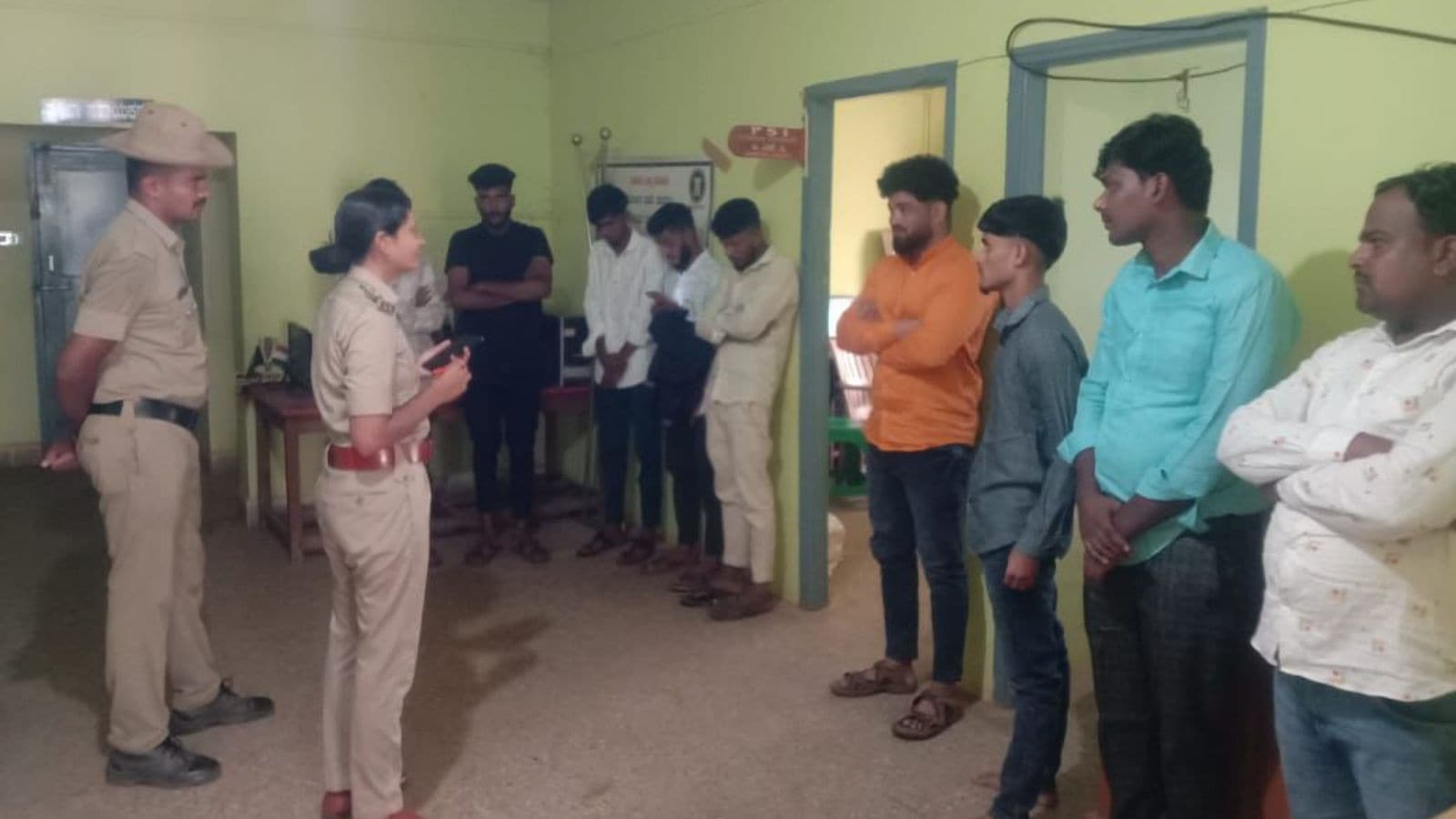
The article details a deeply disturbing incident in Karnataka, India, where individuals accused of a heinous gang rape received a celebratory welcome upon their release on bail. This reception, documented in a viral video, has triggered widespread outrage and prompted law enforcement to seek the cancellation of their bail. The case underscores the complexities and challenges within the Indian justice system, particularly concerning crimes against women and the societal attitudes that often perpetuate a culture of impunity. The celebration itself represents a blatant disregard for the victim and a chilling display of support for the accused, highlighting the need for significant reforms in how such cases are handled and perceived. The incident not only raises serious questions about the safety and security of the victim but also reflects a broader systemic failure to adequately address and prevent sexual violence. The police’s initial inaction, as pointed out by a local Hindu organization representative, further compounds the problem, suggesting a lack of sensitivity and responsiveness to the gravity of the situation. This calls for enhanced training and sensitization programs for law enforcement personnel to ensure that they handle such cases with the seriousness and urgency they deserve. The public outcry and the subsequent protests planned by women's organizations demonstrate the growing awareness and demand for justice in cases of sexual violence. However, the fact that such a celebration could occur openly, with the alleged perpetrators flaunting their release, indicates a deep-seated problem with the social fabric and the prevalence of patriarchal attitudes that normalize and even condone such behavior. The victim's initial withdrawal of the complaint, reportedly under duress, is a common occurrence in cases of sexual assault, highlighting the immense pressure victims face from their families, communities, and even the perpetrators themselves. This underscores the need for robust victim support systems that provide legal, emotional, and psychological assistance to ensure that victims feel safe and empowered to report such crimes and pursue justice without fear of retribution or social stigma. The police’s decision to file an FIR against those who participated in the celebratory rally is a positive step, but it remains to be seen whether this will lead to meaningful consequences for their actions. The incident serves as a stark reminder of the challenges faced by victims of sexual violence in India and the urgent need for comprehensive reforms in the criminal justice system, law enforcement, and societal attitudes. These reforms must focus on ensuring accountability for perpetrators, providing effective support for victims, and creating a safe and just environment where such crimes are no longer tolerated.
The legal ramifications of the case are multifaceted. The initial granting of bail to the accused raises questions about the considerations of the court and whether the severity of the crime and the potential threat to the victim were adequately taken into account. The police's subsequent application to cancel the bail signifies a recognition of the gravity of the situation and the potential for the accused to intimidate the victim or tamper with evidence. The cancellation of bail, however, is not a straightforward process and requires strong evidence to demonstrate that the accused pose a flight risk or a threat to the victim or the community. The court will need to carefully weigh the evidence presented by the police and consider the arguments of both the prosecution and the defense. The charges of unlawful assembly and rash driving against those who participated in the rally add another layer of complexity to the case. While these charges may seem relatively minor compared to the gang rape allegations, they serve as a reminder that those who actively support and celebrate such crimes can also be held accountable for their actions. The potential consequences for those convicted of gang rape are severe under Indian law, ranging from lengthy prison sentences to life imprisonment. However, the conviction rate in such cases remains low, due to a variety of factors, including the difficulty of proving the crime, the social stigma associated with sexual assault, and the lack of adequate support for victims. The victim's initial withdrawal of the complaint and subsequent decision to come forward again highlights the courage and resilience of survivors of sexual violence. Her willingness to share her ordeal, despite the immense pressure and potential risks, is a testament to her determination to seek justice and hold her attackers accountable. The legal process itself can be a daunting and traumatic experience for victims of sexual violence, requiring them to relive their ordeal in court and face cross-examination by defense attorneys. Therefore, it is crucial that the legal system provide adequate support and protection for victims throughout the process.
Beyond the legal aspects, the incident exposes deeper societal issues that contribute to the prevalence of sexual violence in India. The celebratory welcome received by the accused reflects a culture of impunity, where perpetrators of sexual violence are often protected by their communities and shielded from accountability. This is often rooted in patriarchal attitudes that devalue women and normalize violence against them. The fact that the celebration took place in front of a police station, as alleged by the Hindu organization representative, suggests a possible complicity or indifference on the part of law enforcement. This further reinforces the need for comprehensive training and sensitization programs for police officers to ensure that they understand the gravity of sexual violence and are equipped to handle such cases with sensitivity and professionalism. The role of social media in amplifying the incident cannot be ignored. The viral video of the celebration played a crucial role in bringing the case to public attention and prompting the police to take action. However, social media can also be a double-edged sword, as it can also be used to harass and intimidate victims of sexual violence. The online abuse and threats faced by survivors of sexual assault are a serious concern and require proactive measures to protect them from online harassment. The incident also highlights the importance of education and awareness campaigns to challenge patriarchal attitudes and promote gender equality. These campaigns should target men and boys, as well as women and girls, to create a society where sexual violence is no longer tolerated. Furthermore, it is crucial to address the root causes of sexual violence, such as poverty, inequality, and lack of access to education and healthcare. By addressing these underlying issues, we can create a more just and equitable society where all individuals are safe and respected. The protests planned by women's organizations are a powerful expression of solidarity with the victim and a demand for justice. These protests can help to raise awareness about the issue of sexual violence and put pressure on the government and law enforcement to take action.
In conclusion, the incident in Karnataka is a stark reminder of the challenges faced by victims of sexual violence in India. It underscores the urgent need for comprehensive reforms in the criminal justice system, law enforcement, and societal attitudes. These reforms must focus on ensuring accountability for perpetrators, providing effective support for victims, and creating a safe and just environment where such crimes are no longer tolerated. The incident also highlights the importance of education and awareness campaigns to challenge patriarchal attitudes and promote gender equality. By working together, we can create a society where all individuals are safe and respected, and where perpetrators of sexual violence are held accountable for their actions. The need for a multi-pronged approach is evident. Firstly, the legal system must be strengthened to ensure swift and fair trials for sexual assault cases. This includes providing adequate resources for prosecutors, judges, and forensic experts. Secondly, law enforcement agencies must be trained to handle sexual assault cases with sensitivity and professionalism. This includes providing them with the skills and knowledge to investigate such cases effectively and to protect the rights of victims. Thirdly, society must challenge the prevailing patriarchal attitudes that condone or excuse sexual violence. This requires a concerted effort to educate the public about the harmful effects of these attitudes and to promote gender equality. Fourthly, victims of sexual violence must be provided with comprehensive support services, including legal assistance, counseling, and medical care. This includes ensuring that victims have access to safe and confidential reporting mechanisms and that they are protected from retaliation. Finally, the media must play a responsible role in reporting on sexual violence cases. This includes avoiding sensationalism and protecting the privacy of victims. By addressing these challenges, we can create a society where sexual violence is no longer tolerated and where victims are empowered to seek justice and rebuild their lives. The incident in Karnataka serves as a call to action for all stakeholders to work together to create a safer and more just society for all.