
 |
|
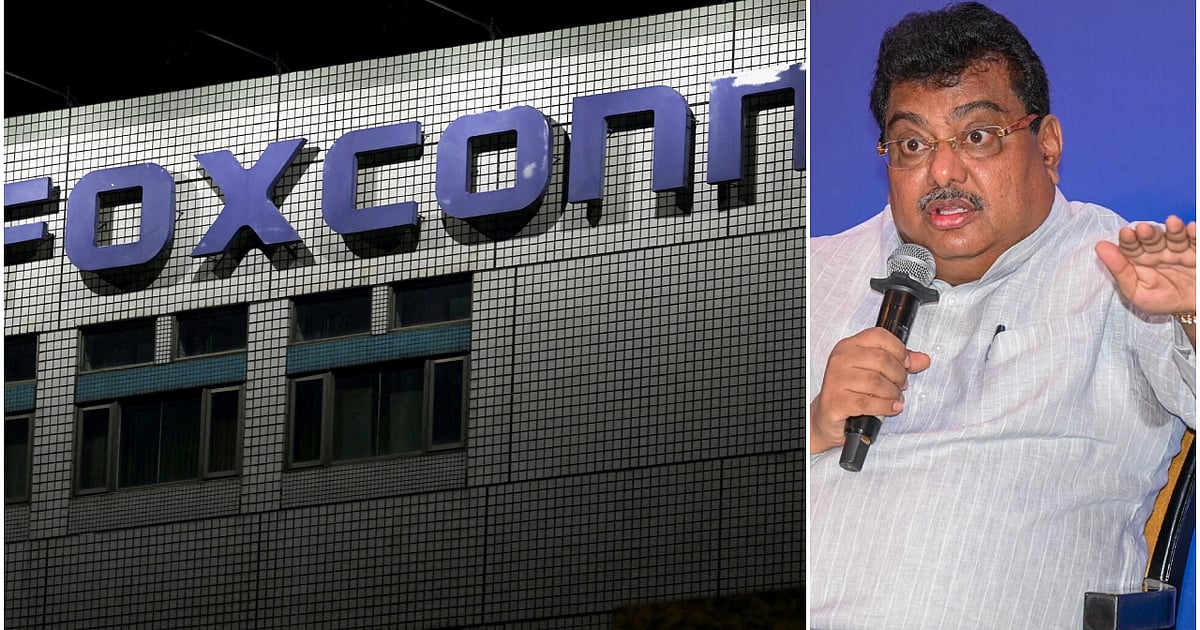
The announcement that Foxconn will begin shipping iPhones manufactured at its Devanahalli unit starting in June marks a significant development for India's burgeoning electronics manufacturing sector. Karnataka Minister M B Patil's statement underscores the state's growing importance as a hub for technology and manufacturing. This move not only strengthens Apple's supply chain resilience but also promises to create numerous job opportunities and stimulate economic growth in the region. The establishment of Foxconn's facility, sprawling across 300 acres within the Information Technology Investment Region (ITIR) near Devanahalli, highlights the strategic investment and infrastructure being developed to attract major global players. The ITIR provides a conducive environment with necessary amenities and support systems to facilitate large-scale manufacturing operations. Apple's decision to diversify its production base beyond China is driven by a confluence of factors, including geopolitical tensions, rising labor costs, and the desire to mitigate supply chain risks. India's attractive labor market, coupled with government incentives and a growing domestic consumer base, makes it an increasingly attractive destination for foreign investment in electronics manufacturing. The production of iPhones in India is expected to significantly reduce import costs, potentially leading to lower prices for consumers and increased accessibility to Apple products. Furthermore, it will contribute to the 'Make in India' initiative, a government program aimed at promoting domestic manufacturing and reducing reliance on imports. The presence of major players like Foxconn in India's manufacturing landscape is also likely to attract other component suppliers and ancillary industries, creating a ripple effect that benefits the entire ecosystem. This could lead to the development of a more robust and self-sufficient electronics manufacturing industry in India, reducing its dependence on foreign suppliers and enhancing its competitiveness in the global market. The long-term implications of this development are far-reaching, potentially transforming India into a major electronics manufacturing hub and creating a significant number of high-skilled jobs. The increased production capacity could also enable Apple to better cater to the growing demand for iPhones in India and other emerging markets. The success of this venture will depend on several factors, including the availability of skilled labor, reliable infrastructure, and a supportive regulatory environment. The government's continued commitment to providing incentives and addressing challenges faced by manufacturers will be crucial in attracting further investment and ensuring the sustained growth of the electronics manufacturing sector in India. The Devanahalli plant represents a major step forward in this direction, signaling India's potential to become a global manufacturing powerhouse.
The strategic importance of Devanahalli as a location for high-tech manufacturing cannot be overstated. Its proximity to Bangalore, the Silicon Valley of India, provides access to a vast pool of skilled engineers, technicians, and managers. The presence of numerous technology companies and research institutions in the region fosters innovation and collaboration, creating a vibrant ecosystem for technology development and manufacturing. The establishment of the ITIR in Devanahalli further enhances its appeal as a manufacturing hub. The ITIR provides dedicated infrastructure, including power, water, transportation, and communication networks, specifically designed to cater to the needs of high-tech industries. The government's focus on developing infrastructure and streamlining regulatory processes in the ITIR has made it an attractive destination for foreign investors. The availability of land at competitive prices is another key factor that has attracted companies like Foxconn to Devanahalli. The large-scale facility requires a significant amount of land, and the ITIR provides ample space to accommodate such large-scale operations. The proximity to the Kempegowda International Airport also provides easy access to global markets, facilitating the export of manufactured goods. The airport's extensive network of international flights makes it convenient for companies to transport products and personnel to and from Devanahalli. The presence of a well-developed logistics infrastructure further enhances the efficiency of the supply chain. The availability of reliable transportation networks, including roads, railways, and air cargo services, ensures that raw materials and finished products can be moved quickly and efficiently. The Karnataka government's proactive approach to attracting foreign investment has also played a crucial role in attracting companies like Foxconn to the region. The government has implemented various policies and incentives to promote investment in the electronics manufacturing sector, including tax breaks, subsidies, and streamlined regulatory procedures. The government's commitment to providing a supportive business environment has made Karnataka a preferred destination for foreign investors. The establishment of Foxconn's iPhone manufacturing facility in Devanahalli is a testament to the state's attractiveness as a manufacturing hub. The state's strategic location, access to skilled labor, well-developed infrastructure, and supportive government policies have made it a magnet for foreign investment. The long-term impact of this development is expected to be significant, transforming Karnataka into a major electronics manufacturing center and creating numerous job opportunities for the state's residents.
The potential impact of iPhone production in India extends beyond the immediate economic benefits. It could lead to the development of a more sophisticated and technologically advanced manufacturing ecosystem in the country. As Apple and Foxconn expand their operations in India, they are likely to bring with them advanced manufacturing technologies and processes. This could help to upgrade the skills of the Indian workforce and improve the overall quality of manufacturing in the country. The increased production of iPhones in India could also lead to the development of new industries and businesses. As Apple's supply chain expands in India, it is likely to create opportunities for local companies to supply components and services to Foxconn and other Apple suppliers. This could lead to the growth of a vibrant ecosystem of small and medium-sized enterprises (SMEs) that support the electronics manufacturing industry. The production of iPhones in India could also have a positive impact on the country's trade balance. By reducing its reliance on imports of iPhones, India could improve its trade deficit and strengthen its economy. The increased export of iPhones from India could also generate valuable foreign exchange revenue. The move towards domestic production also enhances data security, reducing reliance on external data storage locations and potentially aligning more closely with data sovereignty initiatives and Indian legal frameworks. There is, of course, the potential for challenges. Ensuring ethical labor practices remains paramount, and constant vigilance is required to prevent exploitation and maintain fair working conditions. Environmental considerations are also critical. Responsible waste management and sustainable manufacturing practices must be prioritized to minimize the environmental impact of large-scale production. Continued investment in infrastructure and skills development is also essential to maintain India's competitiveness in the global electronics manufacturing market. The government must continue to provide incentives and support to manufacturers, while also addressing challenges such as bureaucratic hurdles and infrastructure bottlenecks. The success of Foxconn's iPhone manufacturing facility in Devanahalli will serve as a benchmark for other companies considering investing in India's electronics manufacturing sector. A positive outcome will encourage further investment and help to solidify India's position as a major player in the global electronics industry. This will not only benefit the Indian economy but also contribute to the diversification of Apple's supply chain and the resilience of the global electronics industry.
Furthermore, the shift of iPhone manufacturing to India resonates deeply with the nation's ambitious goals of self-reliance and technological advancement. The 'Make in India' initiative, championed by the government, aims to transform the country into a global manufacturing hub. By attracting major players like Apple and Foxconn, India is signaling its commitment to creating a favorable ecosystem for domestic production and reducing its dependence on imports. This strategic move aligns with the broader vision of achieving 'Atmanirbhar Bharat' – a self-reliant India – which envisions a nation that is not only capable of producing its own goods but also exporting them to the world. The establishment of iPhone manufacturing facilities in India is a significant step towards realizing this vision. It demonstrates the country's growing capabilities in high-tech manufacturing and its ability to compete with established manufacturing powerhouses. The increased production of iPhones in India will also contribute to the creation of a more skilled and technologically advanced workforce. As local workers gain experience in assembling and manufacturing sophisticated electronic devices, they will develop valuable skills that can be applied to other industries. This will help to build a more competitive and innovative economy. The presence of Apple and Foxconn in India will also attract other global technology companies to the country. As these companies witness the success of iPhone manufacturing in India, they will be more likely to consider investing in their own manufacturing facilities. This will lead to a further expansion of the electronics manufacturing sector and create even more job opportunities. The long-term benefits of this trend are immense. India has the potential to become a global leader in electronics manufacturing, rivaling China and other established players. This will not only boost the Indian economy but also enhance its geopolitical standing. The country will become a more influential player on the world stage, with a stronger voice in international affairs. However, realizing this potential requires sustained efforts and strategic planning. The government must continue to invest in infrastructure, education, and skills development. It must also create a business-friendly environment that encourages innovation and entrepreneurship. By working together, the government, industry, and academia can transform India into a global manufacturing powerhouse. The success of iPhone manufacturing in Devanahalli is a testament to the country's potential and a harbinger of even greater achievements to come. It is a symbol of India's ambition to become a self-reliant and technologically advanced nation, capable of shaping its own destiny in the 21st century.
In conclusion, the commencement of iPhone shipments from Foxconn's Devanahalli facility in June is a landmark achievement for India's manufacturing sector. It underscores the country's growing importance as a global hub for electronics production and its potential to compete with established players like China. The strategic location of the facility, coupled with government incentives and a skilled workforce, makes it an attractive destination for foreign investment. The move is expected to create numerous job opportunities, stimulate economic growth, and contribute to the 'Make in India' initiative. The long-term implications of this development are far-reaching, potentially transforming India into a major electronics manufacturing powerhouse and enhancing its geopolitical standing. However, realizing this potential requires sustained efforts and strategic planning. The government must continue to invest in infrastructure, education, and skills development, while also creating a business-friendly environment that encourages innovation and entrepreneurship. By working together, the government, industry, and academia can transform India into a global manufacturing hub. The success of iPhone manufacturing in Devanahalli is a testament to the country's potential and a harbinger of even greater achievements to come. It is a symbol of India's ambition to become a self-reliant and technologically advanced nation, capable of shaping its own destiny in the 21st century. The project symbolizes more than just a manufacturing operation; it embodies India's aspiration to become a self-sufficient and technologically advanced nation, ready to chart its own course in the 21st century. The ripple effects of this venture will undoubtedly extend far beyond the immediate economic benefits, contributing to a more skilled workforce, a more robust industrial ecosystem, and a stronger, more resilient Indian economy. The Devanahalli plant stands as a beacon of progress, illuminating India's path towards becoming a global manufacturing leader and a driving force in the world's technological landscape.
Beyond the immediate economic impact, the expansion of iPhone manufacturing in India carries significant implications for the nation's technological advancement and skill development. The transfer of advanced manufacturing technologies and processes from companies like Apple and Foxconn is poised to elevate the skills of the Indian workforce, fostering a culture of innovation and expertise within the country's manufacturing sector. As local workers gain experience in assembling and producing sophisticated electronic devices, they will acquire valuable technical skills that can be applied across various industries, contributing to a more versatile and competitive workforce. This influx of technological knowledge will not only enhance the capabilities of individual workers but also contribute to the overall development of India's manufacturing ecosystem. The presence of these global technology giants will attract other component suppliers and ancillary industries, leading to the creation of a more robust and self-sufficient supply chain. This will reduce India's reliance on foreign suppliers and strengthen its position as a global manufacturing hub. The increased production of iPhones in India also has the potential to transform the country's trade balance. By reducing the need for iPhone imports, India can improve its trade deficit and boost its economy. Furthermore, the export of locally manufactured iPhones will generate valuable foreign exchange revenue, further strengthening the country's financial position. However, realizing the full potential of iPhone manufacturing in India requires a concerted effort from both the government and the private sector. The government must continue to invest in infrastructure development, education, and skills training to support the growth of the electronics manufacturing sector. It must also create a business-friendly environment that encourages innovation and attracts foreign investment. The private sector, in turn, must prioritize ethical labor practices, environmental sustainability, and responsible manufacturing processes. By working together, the government and the private sector can create a thriving electronics manufacturing ecosystem in India that benefits the entire nation. The success of iPhone manufacturing in Devanahalli serves as a shining example of what can be achieved when innovation, investment, and strategic partnerships come together. It is a testament to India's potential and a promise of even greater achievements to come.
Source: Devanahalli-made iPhone shipments from June, says Karnataka minister M B Patil