
 |
|
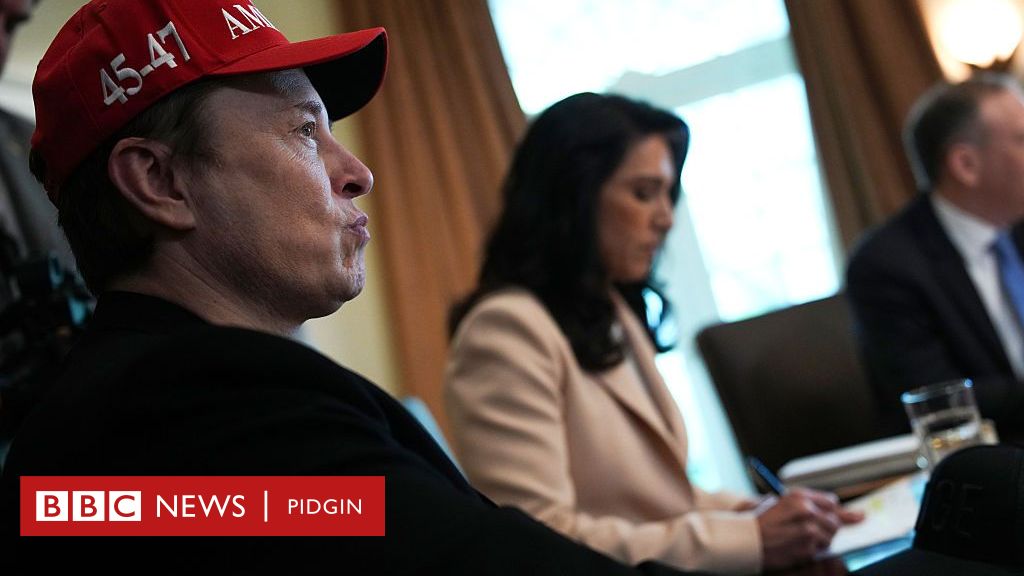
Elon Musk's tenure within the Trump administration's Department of Government Efficiency (Doge), though lasting a mere 129 days, has left an indelible mark on the landscape of American politics and governance. Tasked with the ambitious goal of slashing federal spending, Musk, the world's wealthiest individual, wielded his influence and resources to enact significant changes, albeit amidst a maelstrom of controversy and ethical scrutiny. From sweeping budget cuts to questionable data access practices and the propagation of misinformation, Musk's foray into the White House has ignited debates about the role of private enterprise in public service, the balance between fiscal austerity and social welfare, and the potential for conflicts of interest when business moguls enter the realm of politics. This essay will delve into the multifaceted impact of Musk's time in the Trump administration, examining the successes and failures of his spending reduction efforts, the ethical implications of his dual role as a government official and business leader, and the broader implications of his involvement for American foreign policy and the dissemination of information.
Musk's primary objective as head of Doge was to drastically reduce government spending. He initially aimed for a reduction of $2 trillion, later scaling back his target to $1 trillion and then $150 billion. Doge claimed to have achieved $175 billion in savings through a combination of asset sales, lease and grant cancellations, the elimination of fraudulent payments, regulatory savings, and a reduction of 260,000 employees from the federal workforce. However, independent analyses have cast doubt on the veracity of these claims, suggesting that supporting evidence was often lacking. The implementation of these cuts was far from seamless, with several instances of federal judges halting mass layoffs and ordering the reinstatement of employees. One notable example involved the planned dismissal of hundreds of employees at the National Nuclear Security Administration, a decision that was eventually reversed due to concerns about national security. Even Musk himself acknowledged that mistakes were inevitable in such a large-scale undertaking, citing an instance where his department mistakenly believed that a region in Mozambique was located in the Hamas-controlled Gaza Strip when cutting an aid program. Furthermore, Doge's efforts to access sensitive data, particularly within the Treasury Department, raised privacy concerns about the potential misuse of personal information belonging to millions of Americans. Despite these controversies, polls indicated that cuts to government spending remained popular among many Americans, even as Musk's personal popularity declined.
The presence of Musk in the Trump White House raised significant concerns regarding potential conflicts of interest. As an unelected official with vast business holdings, including companies that rely on government contracts, Musk's involvement created a situation where his personal and professional interests could potentially clash with his public duties. His company, SpaceX, holds $22 billion in US government contracts. Democrats also accused Musk of leveraging his position to advance the interests of his satellite internet firm, Starlink, in foreign markets. Accusations also surfaced that the White House favored Musk's electric car company, Tesla, by showcasing its vehicles on the White House lawn. Despite these concerns, both Musk and Trump consistently denied any allegations of conflicts of interest or ethical impropriety. However, the appearance of impropriety persisted, fueling skepticism about the transparency and accountability of the Trump administration's decision-making processes. The blurring of lines between business and politics highlights a broader issue of corporate influence in government, raising questions about whether private interests are being prioritized over the public good.
Musk's influence also extended to the realm of foreign policy, particularly through his role in drastically reducing the budget of the US Agency for International Development (USAID). Doge oversaw the elimination of over 80 percent of USAID's programs, consolidating the remaining functions within the State Department. This decision aligned with the Trump administration's "America First" policy, which prioritized domestic interests over international cooperation and foreign aid. The cuts to USAID had a significant impact on various projects, including communal kitchens in Sudan, scholarships for Afghan women, and clinics for transgender people in India. As USAID served as a crucial tool for US "soft power" around the world, critics argued that its dismantling signaled a decline in American influence on the global stage. The reduction in foreign aid also raised ethical concerns about the US's commitment to addressing global challenges such as poverty, disease, and human rights abuses. The long-term consequences of these cuts remain to be seen, but they undoubtedly represent a shift in American foreign policy towards a more isolationist and inward-looking approach.
The spread of misinformation and conspiracy theories further compounded the controversies surrounding Musk's White House tenure. Both Musk and Trump had been previously criticized for promoting unsubstantiated claims, and Musk's presence in the administration amplified the concerns about the infiltration of misinformation into the highest echelons of the US government. Musk propagated an unfounded internet theory alleging the theft of US gold reserves from Fort Knox and even suggested a live stream visit to ensure the gold's security. He also amplified rumors about a supposed "genocide" against white Afrikaners in South Africa, a claim that later surfaced during a meeting between Trump and South African President Cyril Ramaphosa. These incidents highlighted the potential for misinformation to shape policy decisions and influence international relations. The normalization of conspiracy theories within the government poses a significant threat to public trust and undermines the credibility of official sources of information.
Finally, Musk's time in the Trump administration exposed internal divisions within the "Trump 2.0" camp. Despite Trump's public support for Musk and Doge, reports surfaced of tensions between Musk and other cabinet members who felt that Doge's cuts were detrimental to their agencies. Trump publicly acknowledged these disagreements, stating that he wanted cabinet members to voice their concerns. The announcement of Musk's departure coincided with the release of an interview in which he expressed "disappointment" with Trump's budget bill, which included multi-trillion-dollar tax breaks and increased defense spending. These internal conflicts revealed the complexities of governing and the challenges of balancing competing priorities within a diverse administration. Musk's departure from the White House marked the end of a controversial chapter, leaving a legacy of spending cuts, ethical questions, and a renewed focus on the role of private individuals in public service. His impact on American politics and governance will continue to be debated for years to come.
Source: Elon Musk: Five ways di world richest man change di White House