
 |
|
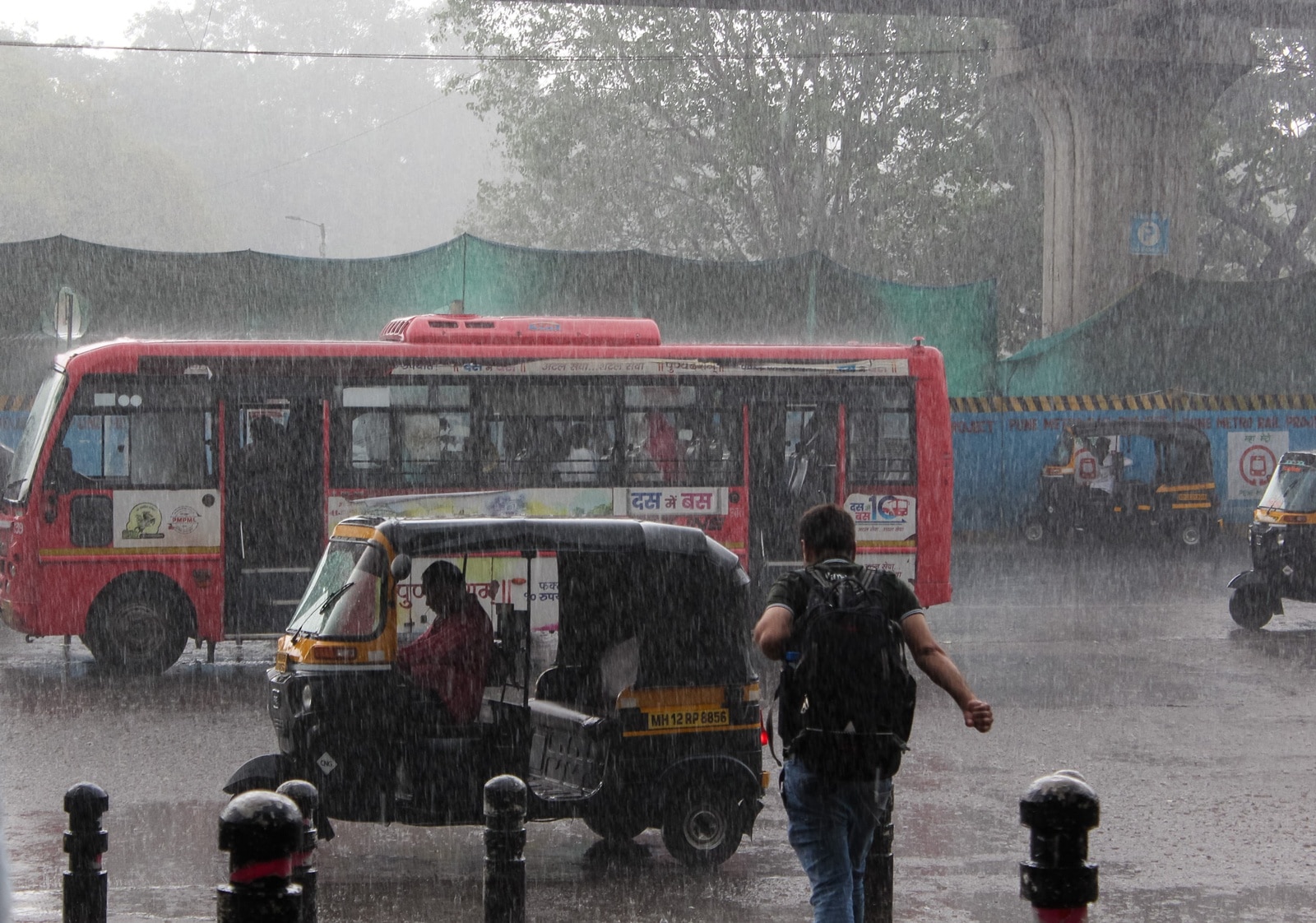
Mumbai has experienced unusually heavy rainfall in May, prompting the India Meteorological Department (IMD) to issue a yellow alert for heavy rainfall and thunderstorms in Mumbai and the Konkan region of Maharashtra. Some areas, including Raigad, Nashik, Pune, Satara, and Kolhapur, are under an orange alert, forecasting extremely heavy rain. This unseasonal rainfall contrasts with the typical scorching temperatures and heatwaves expected in May. The Colaba coastal observatory has recorded 85.2 mm of rainfall, and the Santacruz station has logged 47.4 mm as of Monday morning, making this May the wettest since 2021. The early showers also led to a dip in temperatures, with Mumbai experiencing its coldest May day since 1951 on May 8, when the minimum temperature at the Colaba coastal station reached 22.2 degrees Celsius. The city had a break in showers after the initial heavy rain from May 6 to May 11, but other parts of Maharashtra continued to experience heavy rains, thundershowers, and squally winds.
The article delves into the reasons behind Mumbai's early showers. While Mumbai is accustomed to unseasonal showers during the summer months due to wind interactions, the anomaly this year is the prolonged nature of these showers, which began early and continued for two weeks. Shubhangi Bhute, Director of IMD Mumbai, explained that the early showers between May 6 and May 8 were caused by an upper-level trough resulting from a western disturbance. However, she clarified that the actual pre-monsoon showers started after May 13, coinciding with the southwest monsoon's advancement into parts of the South Bay of Bengal, Andaman Sea, and Nicobar Islands. This is in contrast to the typical pre-monsoon showers, which usually occur towards the end of May.
Bhute attributed the favorable monsoon conditions to neutral El Niño Southern Oscillation (ENSO) and Indian Ocean Dipole (IOD) conditions. These neutral conditions are expected to contribute to good monsoon spells and favorable conditions for an early monsoon onset. ENSO, an ocean-atmospheric phenomenon, significantly influences the Indian monsoon from June to September. Athreya Shetty, another weather expert, highlighted the early heatwaves that began in February. He explained that early heat spikes often lead to early pre-monsoon showers. Normally, Mumbai experiences dry weather due to anticyclone systems, which create high-pressure areas and bring hot winds from the Northwestern deserts. However, the strong western disturbance system weakened the anticyclone early in May, reducing its effect on warm conditions.
The early pre-monsoon showers raise the possibility of an early monsoon onset in Mumbai this year. The official monsoon date for Mumbai is typically June 11. Projections indicate that the Southwest Monsoon is expected to enter Kerala by May 28, significantly earlier than usual. It generally takes 8 to 10 days for the Southwest Monsoon to reach and surpass Maharashtra. Shetty suggests that Mumbai could experience the monsoon onset as early as the first week of June this season. The IMD's long-range forecast predicts above-normal monsoon for the country, with rainfall expected to be 105% of the Long Period Average (LPA) with a model error of ± 5%. The Met Department emphasizes that the prevailing neutral El Nino and IOD conditions during the monsoon season will contribute to a bountiful season.
The interplay of various meteorological factors, including western disturbances, ENSO, and IOD, contributes to the complex weather patterns experienced in the Mumbai region. The weakening of anticyclone systems due to strong western disturbances has played a role in the shift from dry, hot conditions to early rainfall. Understanding these interactions is crucial for accurate weather forecasting and preparing for the impacts of both extreme heat and heavy rainfall. The early onset of pre-monsoon showers and the potential for an early monsoon underscore the importance of monitoring these conditions and taking appropriate measures to mitigate potential risks associated with heavy rainfall, such as flooding and infrastructure damage. The forecast of above-normal monsoon rainfall further emphasizes the need for preparedness and effective water management strategies.
The implications of an early and potentially abundant monsoon season extend beyond immediate weather-related concerns. Agriculture, a vital sector of the Indian economy, stands to benefit significantly from timely and plentiful rainfall. However, excessive rainfall can also pose challenges to agriculture, leading to crop damage and reduced yields. Effective water management and irrigation strategies are crucial to optimize the benefits of the monsoon while minimizing potential negative impacts. The anticipated favorable monsoon conditions also have implications for water resources management, particularly in regions that have experienced water scarcity in recent years. Increased rainfall can help replenish water reservoirs and groundwater levels, improving water security for both agricultural and domestic purposes. However, managing water resources effectively requires careful planning and coordination to ensure equitable distribution and prevent wastage.
Furthermore, the early onset of the monsoon can affect various aspects of daily life in Mumbai and other parts of Maharashtra. The transportation sector, for example, can experience disruptions due to heavy rainfall and flooding. Public transportation systems, such as trains and buses, may face delays or cancellations, impacting commuters and businesses. Infrastructure, including roads and drainage systems, can also be vulnerable to damage from heavy rainfall, requiring timely maintenance and repairs. In addition to transportation and infrastructure, the health sector can also be affected by the monsoon. Increased rainfall can create breeding grounds for mosquitoes, potentially leading to a rise in vector-borne diseases such as malaria and dengue fever. Public health initiatives aimed at preventing and controlling these diseases are essential to protect communities during the monsoon season. Overall, the early onset of the monsoon and the forecast of above-normal rainfall necessitate a comprehensive and coordinated response across various sectors to ensure preparedness, mitigate risks, and maximize the benefits of a bountiful monsoon season.
The role of climate change in influencing monsoon patterns is also a significant consideration. While the article focuses on specific meteorological factors contributing to the early rainfall and potential early monsoon onset, it is essential to recognize the broader context of climate change and its potential impact on regional weather patterns. Climate change can lead to more frequent and intense extreme weather events, including heatwaves, droughts, and heavy rainfall. Understanding the interplay between natural variability and climate change is crucial for developing long-term strategies to adapt to changing weather patterns and mitigate the impacts of climate change. Continued monitoring of weather patterns, scientific research, and international collaboration are essential for improving our understanding of climate change and its effects on regional weather patterns. The insights gained from these efforts can inform policy decisions and guide investments in infrastructure, agriculture, and other sectors to build resilience to the impacts of climate change.
In conclusion, Mumbai's early and heavy rainfall in May, driven by western disturbances and favorable ENSO and IOD conditions, suggests the potential for an early monsoon onset. This development has significant implications for agriculture, water resources management, transportation, infrastructure, and public health. While a bountiful monsoon season is generally beneficial, effective planning and coordination are essential to mitigate potential risks associated with heavy rainfall and maximize the benefits of increased water availability. Furthermore, understanding the role of climate change in influencing monsoon patterns is crucial for developing long-term strategies to adapt to changing weather patterns and build resilience to the impacts of climate change. By carefully monitoring weather conditions, conducting scientific research, and fostering international collaboration, we can improve our understanding of climate change and its effects on regional weather patterns, ultimately leading to more informed decision-making and more effective strategies for managing the challenges and opportunities presented by changing weather patterns.
Source: Why rain has swept Mumbai early this year and how it will influence monsoon onset