
 |
|
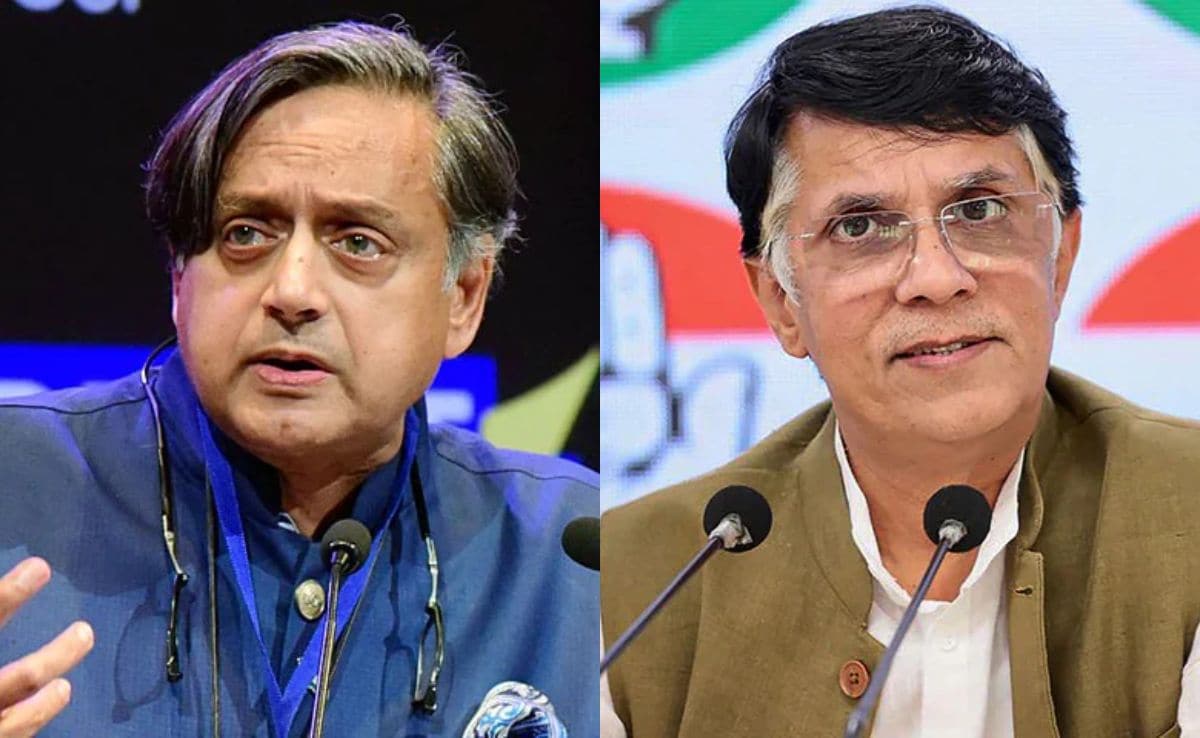
The article details a growing rift between Shashi Tharoor, a prominent Member of Parliament from Thiruvananthapuram, and the Congress party leadership. This discord stems primarily from Tharoor's recent remarks made in Panama regarding the Narendra Modi government's response to terrorism, specifically praising the surgical strikes conducted across the Line of Control (LoC) and the international border. These comments have been interpreted by some within the Congress as being overly supportive of the BJP-led government and inconsistent with the party's official stance. The article highlights how senior Congress leaders like Pawan Khera and Jairam Ramesh have publicly expressed their disapproval of Tharoor's statements, signaling a clear message from the party high command that they are unhappy with his views. Khera's social media posts, featuring excerpts from Tharoor's own book criticizing the BJP's use of the army for political propaganda, are a subtle yet pointed way of reminding Tharoor of his previous criticisms and highlighting the perceived inconsistency in his current stance. Ramesh's poetic swipe further underscores the party's displeasure. This situation unfolds against a backdrop of Tharoor's somewhat strained relationship with the Congress leadership, marked by past disagreements and his participation in a group of leaders calling for organizational changes within the party. The timing of this controversy is also significant, as Tharoor is currently leading an Indian delegation to several countries as part of a government outreach program following a recent terror attack. While his articulation of India's position has been praised by some, it appears to have further exacerbated the tension with his party. The article also points to a shift in the Congress's overall approach to the issue of terrorism and the government's response, with the party now questioning the government's handling of the situation and the role of the US. This change in tack suggests a deliberate effort to distance themselves from Tharoor's seemingly supportive remarks. The underlying message from the Congress leadership is that party leaders should prioritize amplifying the party's official stand rather than expressing individual opinions, especially on sensitive matters such as national security. The article concludes by noting that Tharoor maintains that he made his remarks in a personal capacity and is not acting as a party spokesperson, but this assertion appears to have done little to quell the controversy. The incident raises questions about the extent to which individual voices and dissenting opinions are tolerated within the Congress party and the challenges faced by prominent leaders who may hold views that differ from the party line.
The core of the disagreement revolves around the politicization of surgical strikes and the broader narrative surrounding national security. Tharoor's initial criticism, as highlighted by Khera, centered on the BJP government's alleged exploitation of military actions for political gain. This criticism resonates with a long-standing debate in Indian politics regarding the appropriate balance between showcasing military achievements and maintaining the apolitical nature of the armed forces. The Congress party, under previous administrations, also conducted surgical strikes, but, according to Tharoor's earlier assertions, refrained from using them as overt campaign tools. Tharoor's more recent praise of the Modi government's response to terrorism, specifically mentioning the crossing of the LoC and the international border, seems to contradict his earlier stance on the politicization of military actions. This apparent shift in perspective has drawn criticism from within his own party, with leaders questioning whether he is now acting as an unofficial spokesperson for the BJP. The controversy also touches upon the delicate issue of India-Pakistan relations and the use of military force in response to terrorist attacks. The surgical strikes have been a contentious issue, with some arguing that they are a necessary deterrent and a demonstration of India's resolve, while others raise concerns about the potential for escalation and the impact on regional stability. Tharoor's remarks have inadvertently reignited this debate within the Congress party, exposing differing views on how to best approach the complex challenges of terrorism and cross-border security. The article also highlights the role of social media in amplifying and exacerbating political disagreements. Khera and Ramesh's use of Twitter to publicly criticize Tharoor demonstrates the increasing use of social media platforms to air grievances and shape public opinion within political parties. The speed and reach of social media can make it difficult to control the narrative and can quickly escalate internal disagreements into public controversies.
Beyond the immediate controversy, the incident underscores the broader challenges facing the Congress party in its efforts to regain political relevance. The party has struggled to present a cohesive and unified message on key issues, and internal disagreements have often overshadowed its efforts to challenge the BJP's dominance. Tharoor's case is just one example of the challenges faced by the Congress in balancing individual expression with party discipline. The party's leadership appears to be concerned about maintaining a consistent message and preventing individual voices from undermining its overall strategy. This concern is understandable, given the highly polarized political landscape in India and the intense scrutiny faced by political leaders. However, the party also risks stifling dissenting opinions and alienating prominent leaders who may bring valuable perspectives and insights. The controversy also raises questions about the Congress party's approach to foreign policy and its relationship with the Modi government on matters of national security. The party's recent shift in tack on the issue of terrorism suggests a desire to distance itself from the government's policies, but it also risks appearing inconsistent and opportunistic. The Congress party needs to find a way to articulate a clear and credible alternative vision for India's foreign policy and national security that resonates with the public while also maintaining a constructive relationship with the government on issues of national importance. The incident also highlights the complexities of Indian politics and the challenges faced by leaders in navigating the ever-shifting landscape of public opinion and political alliances. Tharoor's case serves as a reminder of the importance of clear communication, consistency, and party discipline in the age of social media and 24-hour news cycles. The Congress party needs to learn from this episode and find ways to foster a more inclusive and collaborative environment that allows for a diversity of opinions while also maintaining a unified front on key issues.
Furthermore, the article inadvertently touches upon the evolving dynamics within the Indian political system where individual charisma and international recognition can sometimes clash with established party hierarchies and ideological conformity. Shashi Tharoor, a well-known author, diplomat, and intellectual, possesses a significant following both within India and abroad. His ability to articulate complex issues with eloquence and his reputation as a progressive voice have made him a popular figure, particularly among younger voters and the diaspora. However, his independent thinking and willingness to express views that deviate from the party line have often put him at odds with the Congress leadership. This friction highlights a fundamental tension within the party between the need to attract and retain talented individuals who can appeal to a broader electorate and the desire to maintain strict control over messaging and policy positions. The incident also raises questions about the role of the media in shaping public perception of political leaders and parties. The article itself, along with the numerous social media posts and news reports surrounding the controversy, have contributed to the narrative of a rift between Tharoor and the Congress leadership. The media's focus on individual disagreements and controversies can often overshadow the broader policy debates and ideological differences within political parties. This can create a distorted perception of political dynamics and make it more difficult for parties to present a unified and coherent message to the public. The Congress party needs to be more proactive in managing its public image and countering negative narratives that may emerge from media coverage of internal disagreements. This requires a more sophisticated approach to media relations and a greater emphasis on strategic communication. The party also needs to be more transparent about its internal decision-making processes and more willing to engage in open and honest dialogue with the media and the public. This will help to build trust and credibility and make it more difficult for opponents to exploit internal disagreements for political gain.
In addition, the article implicitly points to the challenge of generational change within Indian politics. While seasoned politicians like Pawan Khera and Jairam Ramesh represent a more traditional approach to party discipline and adherence to established ideologies, figures like Shashi Tharoor embody a more modern and cosmopolitan perspective. This generational divide is not unique to the Congress party but is a broader trend in Indian politics, as younger voters increasingly demand greater transparency, accountability, and responsiveness from their elected officials. The Congress party needs to find ways to bridge this generational gap and incorporate the perspectives and priorities of younger leaders into its policy-making processes. This will require a willingness to embrace new ideas, experiment with different approaches, and empower younger leaders to take on greater responsibility. The party also needs to be more proactive in engaging with younger voters and addressing their concerns. This can be achieved through targeted social media campaigns, town hall meetings, and other forms of direct engagement. The incident also sheds light on the evolving nature of political communication in the digital age. The use of social media platforms like Twitter to air grievances and criticize political opponents has become increasingly common in Indian politics, as in many other countries. While social media can be a powerful tool for disseminating information and mobilizing support, it can also be a breeding ground for misinformation, personal attacks, and political polarization. The Congress party needs to develop a more effective strategy for navigating the complexities of political communication in the digital age. This requires a greater emphasis on fact-checking, responsible online behavior, and countering the spread of misinformation. The party also needs to be more proactive in using social media to engage with voters, promote its policies, and build a more positive and constructive online environment.
Furthermore, the article touches upon the inherent difficulties in maintaining a consistent and unified message within a large and diverse political party. The Congress party, with its long history and diverse membership, encompasses a wide range of ideologies, opinions, and interests. This diversity can be a strength, allowing the party to appeal to a broader electorate and adapt to changing circumstances. However, it can also be a source of internal conflict and make it difficult to maintain a consistent and unified message. The Congress party needs to find ways to manage this internal diversity and foster a greater sense of unity and common purpose. This requires a strong and effective leadership that can articulate a clear vision for the party and build consensus among its diverse members. The party also needs to develop more robust internal communication mechanisms to ensure that all members are informed about the party's policies and priorities. The incident also highlights the importance of party discipline in maintaining political cohesion and effectiveness. While individual expression and dissenting opinions should be valued and respected, there are also limits to what is acceptable within a political party. Party members are expected to adhere to the party's policies and priorities and to refrain from publicly criticizing the party or its leaders. The Congress party needs to find a balance between respecting individual expression and maintaining party discipline. This requires clear and transparent rules and procedures for addressing internal disagreements and ensuring that all members are held accountable for their actions. The incident also underscores the importance of trust and mutual respect among party members. When party members trust and respect one another, they are more likely to be willing to compromise and work together towards common goals. The Congress party needs to foster a culture of trust and mutual respect among its members. This requires strong leadership, open communication, and a willingness to address grievances and concerns fairly and transparently.
In conclusion, the controversy surrounding Shashi Tharoor's remarks and the subsequent criticism from within the Congress party serves as a microcosm of the broader challenges facing Indian politics today. It highlights the tensions between individual expression and party discipline, the complexities of managing internal diversity within a large political organization, the challenges of communicating effectively in the digital age, and the ongoing debate over the appropriate balance between national security and political expediency. The Congress party, in particular, needs to learn from this episode and find ways to address these challenges in order to regain its political relevance and effectively compete in the Indian political landscape. This requires a renewed commitment to internal unity, clear communication, and strong leadership. The party must also be willing to adapt to the changing dynamics of Indian politics and engage with younger voters in a meaningful way. The incident also underscores the importance of promoting a more civil and constructive political discourse in India. The increasing polarization of Indian politics and the prevalence of personal attacks and misinformation online are undermining democratic values and making it more difficult to address the complex challenges facing the country. Political leaders, the media, and the public all have a responsibility to promote a more respectful and informed political debate. This requires a greater emphasis on facts, evidence, and reasoned argument, as well as a willingness to listen to and understand opposing viewpoints. By fostering a more constructive political climate, India can strengthen its democracy and build a more prosperous and equitable society for all its citizens. The future of Indian politics depends on the ability of political parties and leaders to rise above petty squabbles and work together towards the common good. This requires a renewed commitment to the principles of democracy, justice, and equality, as well as a willingness to engage in open and honest dialogue with the public. Only then can India fulfill its potential as a global leader and a beacon of hope for the world.
Source: "Agree With Shashi Tharoor...": Pawan Khera's Veiled Attack On Colleague