
 |
|
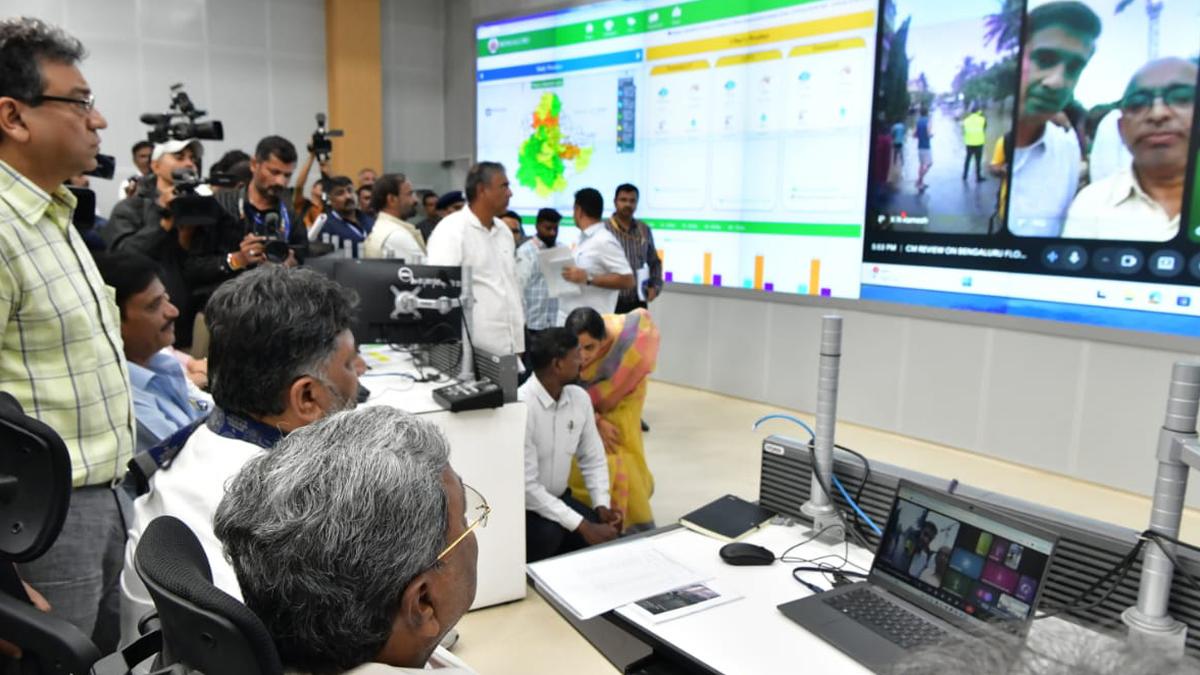
The article details the actions taken by Karnataka Chief Minister Siddaramaiah and his government to address the recent flooding in Bengaluru. Following heavy rainfall, which caused significant disruption and inconvenience to residents, the Chief Minister convened a meeting at the Bruhat Bengaluru Mahanagara Palike (BBMP) war room to review the ongoing rain-relief measures. He emphasized the importance of rapidly remodelling and removing silt from clogged storm-water drains (SWDs) as a primary strategy for mitigating future flooding events. The article highlights the government's response to criticism from opposition parties, with the Chief Minister asserting that he has been consistently instructing BBMP officials to clear encroachments on SWDs and prevent the accumulation of silt. He stated that progress is being made in this area, with over half of the identified encroachments already removed. Furthermore, the Chief Minister addressed the unprecedented rainfall in the city, which he attributed as a significant factor in the recent flooding. He provided specific details regarding the city's storm-water drain infrastructure, including the total length of the SWDs, the extent of retaining wall construction, and ongoing remodelling projects funded by the World Bank. The focus on SWDs and their maintenance reflects a broader understanding that infrastructure improvement is vital to prevent future disasters. The article also mentioned the identification and categorization of low-lying areas within Bengaluru as sensitive and hyper-sensitive zones. The completion of work in a significant number of these areas suggests a proactive approach to addressing localized flooding risks. The planned city rounds by the Chief Minister and Deputy Chief Minister underscore the government's commitment to personally assess the situation and demonstrate solidarity with the affected residents. The postponement of the visit to avoid evening traffic congestion indicates a degree of consideration for the inconvenience caused to the public. Deputy Chief Minister D.K. Shivakumar's comments on addressing sensitive traffic zones further highlight the multifaceted approach to managing the impact of heavy rainfall, encompassing both infrastructure improvements and traffic management strategies. He emphasized that the railway authorities have been entrusted with making a path for the water to flow away, demonstrating the collaboration between different government departments. The commitment to clear fallen trees immediately underscores the urgency with which the government is addressing the immediate consequences of the heavy rainfall. Finally, the article concludes with a reiteration of the government's dedication to serving the people and taking swift action to address the challenges posed by the flooding.
The Chief Minister's review of rain-relief measures from the BBMP war room signifies a centralized and coordinated approach to disaster management. Using the war room as a central hub allows for real-time monitoring of the situation, facilitates communication between different government agencies, and enables efficient resource allocation. The emphasis on remodelling and removing silt from clogged storm-water drains reflects a long-term strategy to improve the city's drainage infrastructure and enhance its resilience to future flooding events. Clearing encroachments on SWDs is a crucial step in restoring the natural flow of water and preventing blockages that can exacerbate flooding. The identification of 4,292 encroachments highlights the scale of the problem and the challenges involved in reclaiming land for public use. The government's commitment to taking strict action against encroachers, without bias, is essential for ensuring fairness and consistency in the enforcement of regulations. The unprecedented rainfall of 104 mm in the last 24 hours underscores the impact of extreme weather events on urban areas. The city's infrastructure was likely not designed to handle such high levels of rainfall, leading to widespread flooding. The construction of retaining walls for SWDs is an important measure for preventing erosion and protecting the banks of the drains. The fact that retaining walls have been built for over half of the city's SWDs indicates a significant investment in infrastructure improvements. The World Bank's loan to remodel 173 km of SWDs demonstrates the international support for Bengaluru's efforts to address flooding. The remodelling project is likely to involve upgrading the drains to increase their capacity and improve their efficiency. The identification and categorization of low-lying areas as sensitive and hyper-sensitive zones allows for targeted interventions to reduce flooding risks in these areas. The fact that work has been completed in a significant number of these areas suggests that the government is making progress in addressing the most vulnerable locations. The Chief Minister's planned city rounds provide an opportunity for him to directly assess the impact of the flooding on residents and businesses. The visit also sends a message of support and solidarity to the affected communities. Deputy Chief Minister D.K. Shivakumar's focus on sensitive traffic zones highlights the importance of managing traffic congestion during times of crisis. The railway authorities' involvement in creating a path for the water to flow away demonstrates the collaborative efforts of different government departments to address the flooding situation. The commitment to clear fallen trees immediately underscores the government's efforts to minimize disruption and ensure public safety.
Further analyzing the article, the prompt response of the Karnataka government to the Bengaluru flooding shows an awareness of the severity of urban flooding issues in India. Many Indian cities, including Bengaluru, face recurring flooding problems exacerbated by rapid urbanization, inadequate infrastructure, and climate change. The emphasis placed on storm-water drain management is key, as these drains are often the most direct way to mitigate floodwaters. However, the persistent issue of encroachments on these drains is a major hindrance. Clearing these encroachments is often a complex and sensitive task, requiring careful planning and execution to minimize disruption to those affected. The reference to the unprecedented rainfall highlights the increasing frequency and intensity of extreme weather events, which are likely linked to climate change. This underscores the need for cities to develop climate-resilient infrastructure that can withstand these events. The construction of retaining walls and the remodelling of storm-water drains are positive steps, but these measures must be implemented in a comprehensive and coordinated manner to be truly effective. The World Bank's involvement indicates a recognition of the scale and complexity of the problem, and the need for international expertise and funding. The identification and categorization of sensitive and hyper-sensitive areas allows for a more targeted approach to flood management, focusing on the locations that are most vulnerable. The Chief Minister's decision to conduct city rounds demonstrates a commitment to transparency and accountability, and provides an opportunity for him to hear directly from the affected communities. The Deputy Chief Minister's focus on traffic management is also important, as flooding can often lead to significant traffic disruption, further compounding the problems faced by residents. The involvement of railway authorities in creating a path for water to flow away highlights the importance of inter-departmental coordination in disaster management. The quick removal of fallen trees is a necessary measure to ensure public safety and minimize disruption. Overall, the article paints a picture of a government that is actively responding to the flooding crisis, but also acknowledges the long-term challenges of managing urban flooding in a rapidly growing city. The article doesn’t contain any direct promotional material, astrological references, or indicators of being a live update or compilation of top news stories, therefore these aspects are classified as false in the JSON output. The success of the government's efforts will depend on its ability to implement its plans effectively, address the root causes of flooding, and work in partnership with local communities.
The nuances of addressing urban flooding in a city like Bengaluru extend beyond mere infrastructure repairs and encroachment removal. A holistic approach necessitates a deep understanding of the city's hydrological cycle, land use patterns, and socio-economic dynamics. The storm-water drain network, for instance, is not an isolated system but is intimately connected to the city's water bodies, groundwater recharge zones, and natural drainage channels. Effective flood management requires restoring and protecting these natural hydrological pathways, which have often been disrupted by unplanned development. The issue of encroachments on storm-water drains is deeply intertwined with land tenure security and urban poverty. Many of the encroachers are low-income families who have been displaced from their original homes and have no other option but to build informal settlements on vulnerable land. Addressing this issue requires a humane and just approach that provides alternative housing options and livelihood support to those affected. The remodelling of storm-water drains should not only focus on increasing their capacity but also on improving their environmental performance. This could involve incorporating green infrastructure elements, such as vegetated swales and rain gardens, that can help to filter pollutants and reduce runoff. The identification and categorization of sensitive and hyper-sensitive areas should be based on a comprehensive risk assessment that takes into account factors such as rainfall intensity, slope, soil type, and land use. The government's efforts to manage traffic congestion during flooding should also consider the needs of vulnerable populations, such as the elderly, disabled, and low-income residents who may not have access to private transportation. The involvement of railway authorities in creating a path for water to flow away highlights the potential for innovative solutions that leverage existing infrastructure to address flooding challenges. For example, railway tracks could be used as temporary barriers to divert floodwaters or as conduits for channeling water to storage areas. The quick removal of fallen trees should be accompanied by efforts to promote urban forestry and increase the city's green cover. Trees can help to intercept rainfall, reduce runoff, and provide shade and cooling, all of which can contribute to mitigating the impacts of flooding. Ultimately, addressing urban flooding in Bengaluru requires a multi-faceted approach that integrates infrastructure improvements, land use planning, social equity, and environmental sustainability. It also requires strong political leadership, effective governance, and active community participation.
Furthermore, the issue of urban planning plays a crucial role that goes beyond the immediate responses to rain-induced crises. Bengaluru’s rapid growth has led to haphazard development, with many buildings constructed without proper adherence to zoning regulations and building codes. This has resulted in the encroachment of water bodies, the obstruction of natural drainage pathways, and the creation of impermeable surfaces that increase runoff. In the long term, sustainable urban planning is essential to prevent future flooding disasters. This includes implementing stricter zoning regulations, promoting compact and mixed-use development, and investing in green infrastructure. Zoning regulations should clearly delineate areas that are vulnerable to flooding and restrict development in those areas. This can prevent the construction of new buildings in high-risk zones and protect existing water bodies and drainage channels. Compact and mixed-use development can reduce the need for sprawling infrastructure and promote the efficient use of land. This can help to minimize the amount of impermeable surfaces and reduce runoff. Green infrastructure can help to manage storm water runoff in a more sustainable way. This includes incorporating features such as green roofs, rain gardens, and permeable pavements into urban landscapes. The success of sustainable urban planning depends on the active participation of all stakeholders, including government agencies, developers, and local communities. Government agencies should work together to develop and implement comprehensive urban plans that address the challenges of flooding. Developers should be required to adhere to strict environmental standards and incorporate green infrastructure into their projects. Local communities should be consulted in the planning process and empowered to participate in decision-making. Another essential element is the integration of technology and data analytics. Smart city initiatives can play a crucial role in managing flood risks. This involves using sensors, data analytics, and communication technologies to monitor rainfall, water levels, and traffic conditions in real-time. This information can be used to provide early warnings to residents, optimize the operation of drainage systems, and coordinate emergency response efforts. Technology can also be used to improve the design and maintenance of storm-water drains. For example, drones can be used to inspect drains and identify areas that are clogged or damaged. Data analytics can be used to predict the performance of drainage systems and identify areas that are at risk of flooding. Effective flood management also requires public awareness and education. Residents need to be informed about the risks of flooding, the importance of maintaining storm-water drains, and the measures they can take to protect themselves and their property. Public awareness campaigns can be used to educate residents about the importance of not dumping garbage in storm-water drains, of reporting clogged drains to the authorities, and of taking precautions during heavy rainfall events. Ultimately, sustainable urban planning, smart city initiatives, and public awareness campaigns are all essential components of a comprehensive strategy to prevent future flooding disasters in Bengaluru.
In addition to the immediate relief measures and long-term planning, the importance of community engagement cannot be overstated. Local communities are often the first responders during a flood event, and their knowledge and expertise can be invaluable in identifying vulnerable areas, providing assistance to those affected, and developing solutions that are tailored to local needs. The government should actively engage with local communities in all aspects of flood management, from planning and implementation to monitoring and evaluation. This includes establishing community-based flood early warning systems, training local residents in disaster preparedness, and empowering communities to participate in decision-making processes. Community-based flood early warning systems can provide timely and accurate information to residents, allowing them to take precautions and evacuate if necessary. These systems can be based on simple technologies, such as rain gauges and water level sensors, and can be operated by local volunteers. Training local residents in disaster preparedness can improve their ability to respond effectively during a flood event. This includes training in first aid, search and rescue, and communication techniques. Empowering communities to participate in decision-making processes ensures that flood management solutions are tailored to local needs and that they are sustainable in the long term. This can involve establishing community advisory committees, conducting participatory planning workshops, and providing financial support to community-led flood management initiatives. Transparency and accountability are also essential for building trust and ensuring that flood management efforts are effective. The government should make information about flood management plans, budgets, and activities publicly available. This includes publishing data on rainfall, water levels, and flood damage. The government should also establish mechanisms for receiving and responding to complaints and concerns from the public. Regular audits of flood management projects can help to ensure that funds are being spent wisely and that projects are achieving their intended outcomes. Independent evaluations of flood management programs can provide valuable feedback on what is working well and what needs to be improved. Continuous monitoring and evaluation are essential for ensuring that flood management strategies are effective and that they are adapted to changing conditions. This includes monitoring rainfall patterns, water levels, and flood damage. It also includes evaluating the performance of flood control infrastructure and assessing the effectiveness of community-based flood early warning systems. The results of monitoring and evaluation should be used to inform future flood management planning and decision-making. In conclusion, a holistic and sustainable approach to flood management in Bengaluru requires a combination of immediate relief measures, long-term planning, community engagement, transparency, accountability, and continuous monitoring and evaluation. By working together, government agencies, local communities, and other stakeholders can create a more resilient city that is better able to withstand the impacts of flooding.
Source: Chief Minister reviews rain-relief measures from BBMP war room