
 |
|
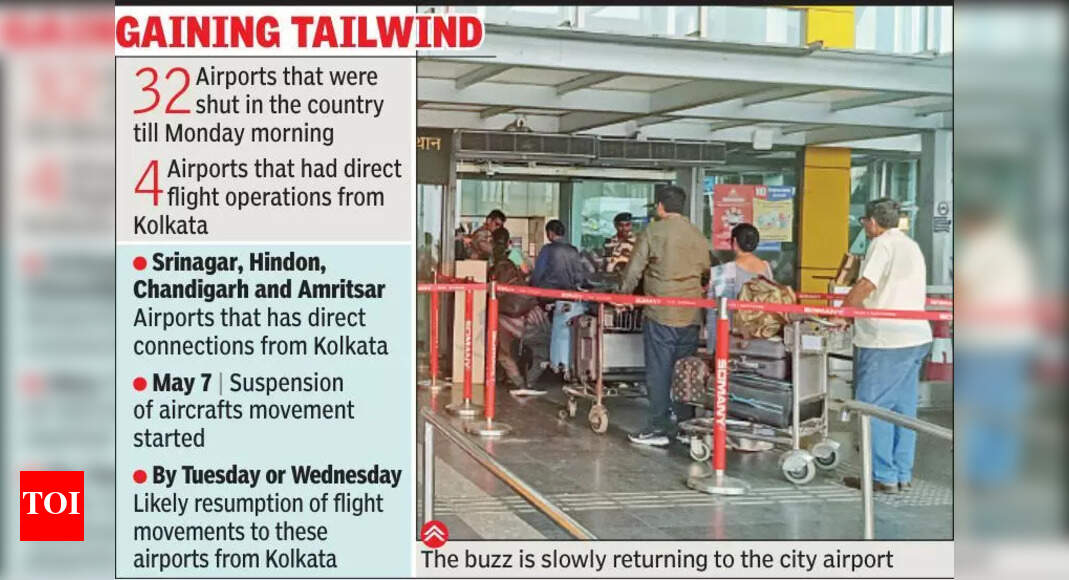
The aviation sector in India is poised for a potential rebound after a turbulent period triggered by escalating tensions between India and Pakistan. Following the temporary suspension of flights to several North Indian airports, including Srinagar, Chandigarh, Amritsar, and Hindon, airlines are now working diligently to reinstate their schedules and cater to the pent-up demand from travelers, particularly with the summer holiday season underway. The abrupt disruption to air travel caused significant inconvenience and uncertainty for passengers, leading to widespread cancellations and a decline in footfall at major airports. However, with the lifting of the temporary airport closures, there is renewed optimism that the industry can recover and capitalize on the traditionally busy summer months. The situation highlights the vulnerability of the aviation sector to geopolitical events and the importance of swift and coordinated responses from authorities and airlines to mitigate the impact on travelers and the broader economy.
The resumption of flights is not a simple matter of flipping a switch. Airlines face a complex logistical challenge in reorganizing their schedules, redeploying aircraft, and ensuring operational viability. Several factors will influence the speed and extent of the recovery. Firstly, the availability of aircraft is a critical consideration. The grounding of flights during the suspension period has disrupted planned maintenance schedules and aircraft rotations. Airlines need to ensure that their fleet is adequately prepared and that all necessary safety checks are completed before resuming operations. Secondly, passenger load factors play a crucial role in determining the economic viability of flights. Airlines need to assess the level of demand on each route and adjust their schedules accordingly. If passenger numbers are insufficient to cover the operating costs, flights may be delayed or cancelled. Thirdly, coordination with airport authorities and air traffic controllers is essential to ensure smooth and efficient operations. Airlines need to work closely with these stakeholders to secure slots, manage air traffic flow, and minimize potential delays. The process of reinstating flights will likely be gradual and phased, with airlines prioritizing routes with the highest demand and operational feasibility.
The temporary closure of airports had a significant impact on the travel and tourism sector, particularly in regions reliant on air connectivity. The suspension of flights disrupted travel plans, led to cancellations of bookings, and created uncertainty among travelers. The Kashmir terror attack before the tensions exacerbated the negative trend with a 12% footfall drop. This downturn affected hotels, tour operators, and other tourism-related businesses, leading to a decline in revenue and potential job losses. The resumption of flights is therefore a welcome development for the travel trade community, which is hoping to capitalize on the summer holiday season to recoup lost ground. Travel agents are optimistic that the restoration of air connectivity will stimulate demand for travel and boost tourism in affected regions. The industry is also emphasizing the importance of ensuring the safety and security of passengers and crew, and is working closely with aviation authorities to implement enhanced security measures. The recovery of the tourism sector will depend on a number of factors, including the restoration of confidence among travelers, the availability of attractive travel packages, and the effective promotion of tourism destinations.
The Airports Authority of India (AAI) played a key role in managing the crisis and coordinating the response to the escalating tensions. The AAI's decision to temporarily close several airports was a precautionary measure aimed at ensuring the safety and security of air travel. The authority worked closely with airlines, air traffic controllers, and other stakeholders to minimize the disruption to operations and to ensure a smooth and orderly resumption of flights. The AAI also played a crucial role in providing information to the public and keeping travelers informed about the status of airport operations. The AAI's actions demonstrate the importance of having a robust and well-coordinated air traffic management system in place to respond to unforeseen events and to maintain the safety and security of air travel. The high alert at the Kolkata airport until further notification underscores the continued vigilance and the need for ongoing security measures. The incident also highlights the need for continuous investment in airport infrastructure and security technology to enhance the resilience of the aviation sector to potential threats.
The statements from industry representatives underscore the importance of collaboration and coordination in ensuring a swift and effective recovery. The Travel Agents Federation of India (TAFI) emphasized the paramount importance of passenger and crew safety, while the Travel Agents Association of India (TAAI) highlighted the potential benefits of the flight resumption for regional economies and critical sectors such as tourism, trade, and logistics. These statements reflect the shared commitment of industry stakeholders to working together to restore confidence in air travel and to support the recovery of the tourism sector. The collaborative approach involving airlines, airport authorities, travel agents, and other stakeholders is essential for overcoming the challenges posed by the disruption and for ensuring a sustainable and resilient aviation industry in the long term. The resilience of India’s aviation infrastructure is being tested and displayed during this period.
The broader implications of the flight suspensions extend beyond the immediate impact on travelers and the tourism sector. The incident serves as a reminder of the interconnectedness of the global economy and the vulnerability of various industries to geopolitical events. The tensions between India and Pakistan have had a ripple effect across the region, impacting trade, investment, and tourism. The incident also highlights the importance of maintaining stable and peaceful relations between countries, as conflicts and tensions can have significant economic and social consequences. The aviation sector, in particular, is highly sensitive to geopolitical risks, as air travel is often the first to be affected by political instability or security concerns. The incident underscores the need for governments to prioritize diplomatic efforts and to work towards resolving conflicts peacefully to minimize the impact on economic activity and the well-being of citizens. Furthermore, companies need to develop risk management strategies to mitigate the impact of potential disruptions, including diversifying their operations and supply chains, and investing in business continuity planning.
In conclusion, the Indian aviation sector is embarking on a recovery journey following a period of disruption caused by escalating tensions between India and Pakistan. The resumption of flights is a positive step towards restoring normalcy and revitalizing the tourism sector. However, challenges remain, including the need to reorganize schedules, ensure operational viability, and restore confidence among travelers. Collaboration and coordination between airlines, airport authorities, travel agents, and other stakeholders are essential for overcoming these challenges and for ensuring a sustainable and resilient aviation industry. The incident serves as a reminder of the vulnerability of the aviation sector to geopolitical events and the importance of maintaining stable and peaceful relations between countries. Furthermore, companies need to develop risk management strategies to mitigate the impact of potential disruptions. The summer holiday season presents an opportunity for the aviation and tourism sectors to recoup lost ground, but sustained efforts are needed to ensure a full and lasting recovery. The gradual reinstatement of flights coupled with strategic initiatives to promote tourism and restore traveler confidence will be crucial for achieving this goal. The swift coordination between aviation authorities and stakeholders is commendable and sets a precedent for future crisis management scenarios within the industry.
The analysis extends to the financial implications for airlines. The grounding of flights for five days results in considerable financial losses. Besides lost revenue from canceled tickets, airlines incur costs related to aircraft maintenance during idle periods, crew scheduling adjustments, and potential compensation claims from passengers. Airlines often operate on thin profit margins, making them particularly vulnerable to disruptions. This incident serves as a case study for airlines to review their contingency plans and financial reserves. Some airlines might have insurance policies that cover losses due to unforeseen events, but the coverage may not be comprehensive. The incident underscores the need for airlines to build financial resilience by diversifying their revenue streams, optimizing operational costs, and maintaining sufficient liquidity to weather unexpected crises. The government can also play a role in supporting the aviation industry during such times through financial assistance or tax relief measures. However, such interventions should be carefully considered to avoid creating dependency or distorting market competition. The long-term financial health of the aviation sector is crucial for the overall economic development of the country, as air connectivity facilitates trade, tourism, and investment.
The situation also highlights the increasing importance of technology in managing and communicating during crises. Airlines and airport authorities relied heavily on digital channels, such as websites and social media, to inform passengers about flight cancellations, schedule changes, and safety measures. Passengers were advised to check directly with their airlines for the latest updates on flight timings and reopening of bookings. Effective communication is critical for mitigating anxiety and uncertainty among travelers. Airlines that invested in user-friendly websites, mobile apps, and social media platforms were better positioned to provide timely and accurate information to their customers. Furthermore, technology can play a role in optimizing aircraft schedules, managing air traffic flow, and enhancing security measures. The use of data analytics can help airlines identify patterns and trends in passenger demand, enabling them to adjust their schedules accordingly. Advanced surveillance systems and biometric identification technologies can enhance airport security and reduce the risk of potential threats. The aviation industry is increasingly reliant on technology, and continuous investment in innovation is essential for improving operational efficiency, enhancing safety, and providing a better passenger experience. The experience of the past week underscores the vital role that technology plays in enabling airlines to adapt quickly and efficiently to unforeseen circumstances.
Examining the psychological impact on travelers reveals another layer of complexity. The abrupt cancellation of flights and the uncertainty surrounding travel plans can cause stress, anxiety, and frustration among passengers. Travelers who were planning to visit family, attend important events, or conduct business trips were particularly affected by the disruption. The incident highlights the importance of airlines and airport authorities providing clear and compassionate communication to passengers. Offering flexible cancellation policies, rebooking options, and compensation for expenses can help mitigate the negative psychological impact of flight disruptions. Airlines should also train their staff to handle passenger inquiries and complaints with empathy and understanding. The aviation industry is not just about moving people from one place to another; it is also about providing a positive and stress-free travel experience. By prioritizing customer service and addressing the psychological needs of passengers, airlines can build trust and loyalty, even in the face of unforeseen challenges. The airline that demonstrates empathy and goes the extra mile to accommodate passengers affected by disruptions will likely emerge with an enhanced reputation and stronger customer relationships.
Finally, the incident offers valuable lessons for policymakers and regulators. The government needs to ensure that there is a robust regulatory framework in place to protect the interests of travelers during flight disruptions. This includes establishing clear guidelines for airline compensation, cancellation policies, and passenger rights. The government should also invest in infrastructure development to enhance the capacity and resilience of airports and air traffic control systems. Furthermore, the government should promote competition in the aviation sector to ensure that passengers have a wide range of choices and that airlines are incentivized to provide high-quality service at competitive prices. A well-regulated and competitive aviation industry is essential for supporting economic growth, promoting tourism, and connecting people and businesses across the country. The government should also work with other countries to foster international cooperation in aviation safety and security. Sharing information and best practices can help prevent future incidents and ensure the safety and security of air travel around the world. The lessons learned from this recent event should inform future policy decisions and help create a more resilient and passenger-centric aviation industry.
Source: After 5-day turbulence, airlines & tourism sector eye summer succour