
 |
|
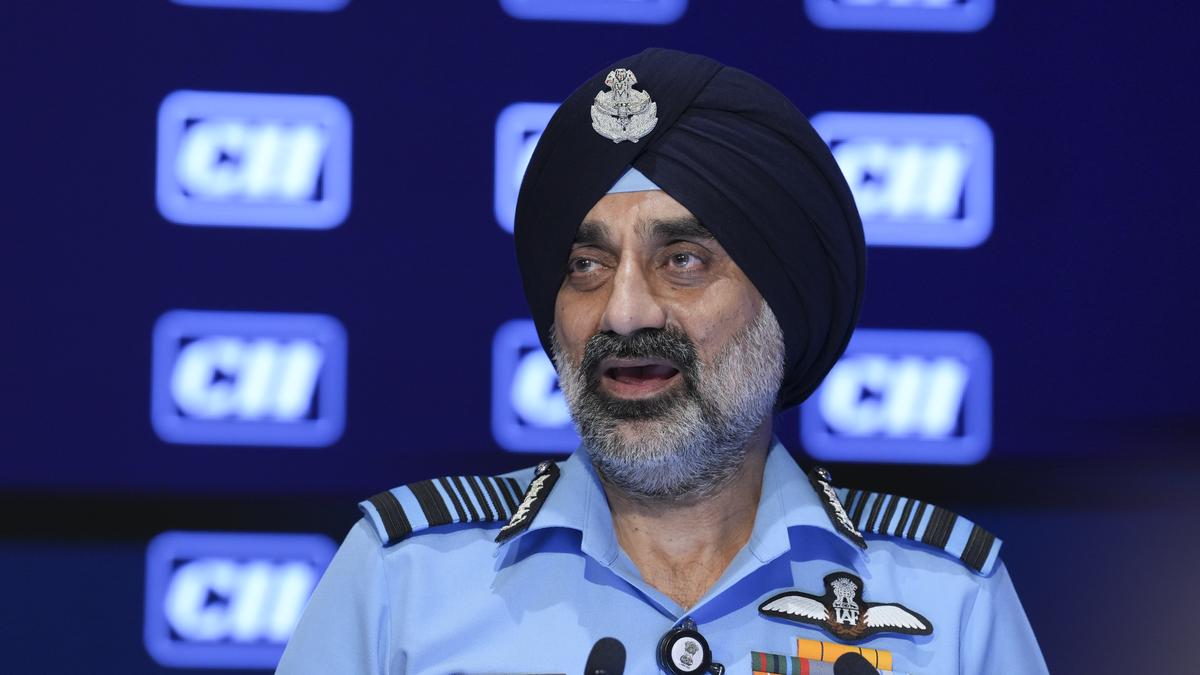
Air Chief Marshal A.P. Singh's address at the Confederation of Indian Industry (CII) Annual Business Summit 2025 served as a stark reminder of the persistent challenges plaguing India's defence sector. The core of his message revolved around the chronic delays in the delivery of defence projects, a recurring theme that has hampered the nation's military modernization efforts for years. His explicit concern highlighted the urgent need for a paradigm shift in how defence contracts are managed and executed, placing significant emphasis on the critical role of the private industry in achieving self-reliance and technological advancement. Singh's remarks underscored not only the logistical and operational implications of these delays, but also the broader strategic vulnerabilities they create, impacting India's ability to maintain a credible deterrent posture and respond effectively to emerging security threats. The Air Chief's call to action extended beyond mere expressions of concern, delving into the underlying causes of these delays and proposing concrete steps towards fostering a more efficient and responsive defence ecosystem. He stressed the importance of realistic timelines, urging stakeholders to avoid over-promising and under-delivering, a practice that has eroded trust and hindered progress in the past. He directly challenged the private industry to rise to the occasion, not just as mere contractors, but as active participants in the nation-building process, capable of developing world-class products that meet the stringent requirements of the armed forces. This invitation to the private sector was coupled with a plea for a greater sense of responsibility and commitment, urging firms to prioritize national interests over short-term profits and to view their involvement in defence projects as a contribution to the overall security and prosperity of India. The opening up of the defence sector to private players represents a significant opportunity for Indian companies to leverage their technological expertise, manufacturing capabilities, and innovative spirit to create cutting-edge military equipment. However, realizing this potential requires a fundamental shift in mindset, moving away from a culture of dependency on foreign suppliers towards a more self-reliant and indigenous approach to defence production. The Air Chief's emphasis on building and retaining trust between the armed forces and the private industry is particularly crucial in this context. Trust is the bedrock of any successful partnership, and it is essential for fostering open communication, collaboration, and a shared sense of purpose. The armed forces need to have confidence in the ability of the private sector to deliver high-quality products on time and within budget, while the private sector needs to feel that its contributions are valued and that its concerns are being addressed. Building this trust requires transparency, accountability, and a commitment to ethical business practices on both sides. Operation Sindoor, described as a national victory, exemplifies the importance of effective air power in modern warfare. This successful operation underscored the need for continuous investment in upgrading and modernizing the air force's capabilities, including the development and acquisition of advanced aircraft, weapons systems, and surveillance technologies. The Air Chief's emphasis on the capacity aspect of air power highlighted the importance of not only producing high-quality equipment, but also ensuring that there is sufficient capacity to meet the operational needs of the armed forces. This requires a strategic approach to defence manufacturing, focusing on building economies of scale, developing efficient supply chains, and investing in the training and development of skilled manpower. The government's decision to involve private industry in the Advanced Medium Combat Aircraft (AMCA) project signals a significant shift in its approach to defence procurement and development. This decision reflects a growing confidence in the ability of the Indian private sector to contribute meaningfully to the design and development of advanced military technologies. The AMCA project presents a unique opportunity for Indian companies to demonstrate their capabilities and to establish themselves as key players in the global defence market. However, it also presents significant challenges, requiring substantial investments in research and development, technology transfer, and workforce training. The Air Chief's acknowledgement of the changing character of war and the introduction of new technologies underscores the importance of adapting to the evolving security landscape. The increasing use of drones, cyber warfare, and artificial intelligence is transforming the way wars are fought, and India needs to be prepared to meet these new challenges. This requires a proactive approach to defence innovation, focusing on developing and acquiring the technologies and capabilities that will be needed to deter and defeat future threats. The Air Chief's call for self-reliance in defence production is not just a matter of national pride, but also a strategic imperative. In an increasingly uncertain world, India cannot afford to be dependent on foreign suppliers for its critical defence needs. Self-reliance in defence production will not only enhance India's national security, but also create jobs, stimulate economic growth, and foster technological innovation. The Air Chief's suggestion of a possible mechanism for private players to increase their involvement in research and development (R&D) in the defence sector is a welcome step. R&D is the key to unlocking future technological advancements and ensuring that India remains at the forefront of defence innovation. The government needs to create a supportive environment for private sector R&D, providing incentives, funding, and access to intellectual property. The Air Chief's emphasis on the need to retain bright talent in the defence sector is also crucial. India has a vast pool of talented engineers, scientists, and technologists, and it is essential to create opportunities for them to contribute to the nation's defence efforts. This requires investing in education, training, and career development programs, as well as creating a work environment that is challenging, rewarding, and supportive. In conclusion, Air Chief Marshal A.P. Singh's address served as a powerful call to action for the Indian defence sector. His emphasis on addressing delays, fostering private sector involvement, promoting self-reliance, and investing in R&D and talent development is essential for ensuring that India's armed forces are equipped to meet the challenges of the 21st century. The success of these efforts will depend on the collaboration, commitment, and shared vision of all stakeholders, including the government, the armed forces, the private sector, and the research community.
The other participants at the ICC Business Summit, including Chief of the Naval Staff Admiral Dinesh K. Tripathi, Defence Secretary Rajesh Kumar Singh, and DRDO chief Dr. Samir V. Kamat, echoed similar sentiments regarding the importance of indigenous defence production and private sector involvement. Admiral Tripathi highlighted India's growing recognition of its maritime potential, with policy decisions reflecting a broader strategic approach to naval capabilities. Secretary Singh outlined the government's ongoing reforms aimed at improving the defence manufacturing ecosystem, indicating a concerted effort to streamline processes and create a more conducive environment for both public and private players. Dr. Kamat, representing DRDO, emphasized the crucial role of private industry in driving indigenous research and development, stressing that while manufacturing remains important, the focus must also be on designing and developing indigenous systems. He invited private industries to invest in R&D, promising DRDO's partnership and collaboration to establish India as a global leader in defence innovation. These diverse perspectives highlight a growing consensus within the Indian defence establishment regarding the need for a more collaborative and innovative approach to defence production. The emphasis on private sector participation is not merely a matter of outsourcing or subcontracting, but rather a recognition that the private sector possesses unique capabilities and expertise that can significantly enhance India's defence capabilities. Private companies bring to the table a culture of innovation, agility, and efficiency that can complement the strengths of public sector organizations like DRDO and the ordnance factories. Moreover, private sector involvement can help to foster competition and drive down costs, leading to more affordable and efficient defence procurement. However, realizing the full potential of private sector participation requires a level playing field and a clear regulatory framework. The government needs to ensure that private companies have fair access to contracts, that intellectual property rights are protected, and that there is a level playing field in terms of taxation and other regulatory requirements. Furthermore, the government needs to provide incentives for private companies to invest in R&D, such as tax breaks, grants, and access to government-funded research facilities. The success of indigenous defence production also depends on addressing several key challenges, including technology transfer, skilled manpower development, and supply chain management. Technology transfer from foreign companies is often a critical component of defence contracts, but it needs to be managed effectively to ensure that Indian companies are able to absorb the technology and develop their own capabilities. Skilled manpower is another essential ingredient for success. India needs to invest in education and training programs to develop a workforce that is capable of designing, manufacturing, and maintaining advanced defence equipment. Supply chain management is also crucial, ensuring that components and materials are available on time and at competitive prices. A robust and efficient supply chain is essential for ensuring that defence production is not disrupted by shortages or delays. In addition to these practical challenges, there are also cultural and attitudinal barriers that need to be overcome. The Indian defence establishment has traditionally been dominated by public sector organizations, and there can be resistance to private sector involvement. It is important to foster a culture of collaboration and partnership between public and private players, recognizing that both have valuable contributions to make. Ultimately, the success of India's indigenous defence production efforts will depend on a combination of factors, including government policy, private sector investment, technology transfer, skilled manpower development, and supply chain management. By addressing these challenges and fostering a collaborative environment, India can achieve its goal of self-reliance in defence production and emerge as a major player in the global defence market.
The statements from various stakeholders at the ICC Business Summit collectively paint a picture of a defence sector undergoing significant transformation, driven by a need for greater self-reliance, technological advancement, and efficiency. The recurring theme of delays in project deliveries underscores the urgency of addressing systemic issues that hinder the timely completion of crucial defence initiatives. The Air Chief Marshal's candid acknowledgement of this problem, coupled with his call for private sector involvement, signals a recognition that a new approach is needed to overcome these challenges. The emphasis on private sector participation is not merely a matter of shifting responsibility or outsourcing tasks. It reflects a deeper understanding of the unique capabilities and potential that the private sector can bring to the defence industry. Private companies are often more agile, innovative, and efficient than their public sector counterparts, and they can play a vital role in driving technological advancement and reducing costs. However, realizing this potential requires a collaborative environment where public and private players work together as partners, sharing knowledge, resources, and expertise. The government plays a crucial role in creating this environment by providing clear policy guidelines, fostering a level playing field, and incentivizing private sector investment in research and development. The success of indigenous defence production also depends on addressing several key challenges, including technology transfer, skilled manpower development, and supply chain management. Technology transfer is often a complex and challenging process, requiring careful planning and execution to ensure that Indian companies are able to effectively absorb the technology and develop their own capabilities. Skilled manpower is another critical requirement, and India needs to invest in education and training programs to develop a workforce that is capable of designing, manufacturing, and maintaining advanced defence equipment. Supply chain management is also crucial, ensuring that components and materials are available on time and at competitive prices. In addition to these practical challenges, there are also cultural and attitudinal barriers that need to be overcome. The Indian defence establishment has traditionally been dominated by public sector organizations, and there can be resistance to private sector involvement. It is important to foster a culture of collaboration and partnership between public and private players, recognizing that both have valuable contributions to make. The successful execution of Operation Sindoor serves as a testament to the importance of effective air power and the potential of indigenous defence capabilities. This operation demonstrated the ability of the Indian Air Force to project power and respond effectively to emerging security threats. However, it also highlighted the need for continuous investment in upgrading and modernizing the air force's capabilities, including the development and acquisition of advanced aircraft, weapons systems, and surveillance technologies. The government's decision to involve private industry in the Advanced Medium Combat Aircraft (AMCA) project is a significant step towards building a more self-reliant and technologically advanced defence industry. The AMCA project represents a major opportunity for Indian companies to showcase their capabilities and contribute to the development of a cutting-edge combat aircraft. However, it also presents significant challenges, requiring substantial investments in research and development, technology transfer, and workforce training. Ultimately, the success of India's indigenous defence production efforts will depend on a combination of factors, including government policy, private sector investment, technology transfer, skilled manpower development, and supply chain management. By addressing these challenges and fostering a collaborative environment, India can achieve its goal of self-reliance in defence production and emerge as a major player in the global defence market. The statements from various stakeholders at the ICC Business Summit provide a roadmap for achieving this goal, highlighting the key priorities and challenges that need to be addressed. The focus on innovation, collaboration, and self-reliance is essential for ensuring that India's armed forces are equipped to meet the challenges of the 21st century.
Source: Air Chief Marshal expresses concern over delays in delivery of defence projects