
 |
|
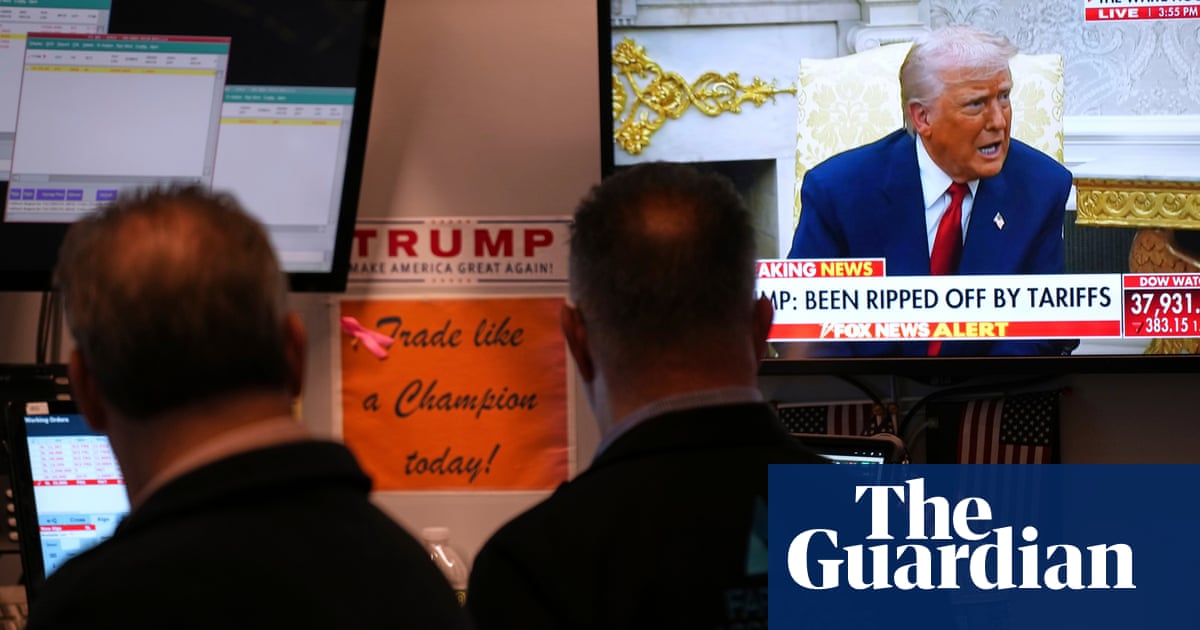
The article paints a picture of unease and uncertainty on Wall Street, as traders grapple with the potential economic fallout from President Trump's trade policies. The core concern revolves around the impact of tariffs, particularly those imposed on China, and the perception that these measures could trigger a recession. Several traders interviewed express their anxieties, drawing comparisons to periods of significant economic distress such as the 2008 financial crisis and the early days of the COVID-19 pandemic. The market's reaction to a false report of a tariff pause highlights the heightened sensitivity and underlying nervousness pervading the trading floor. The reliance on automated trading algorithms further amplifies these reactions, creating a volatile environment driven by news headlines and speculation. The traders' observations extend beyond immediate market fluctuations, delving into the broader geopolitical and economic implications of Trump's actions. There's a sense that the administration's strategy is aimed at isolating China and reshaping global trade dynamics, potentially leading to a more protectionist and insular United States. This raises concerns about the long-term sustainability of such a model, particularly given the country's substantial national debt. The traders acknowledge the potential for short-term pain as a result of these policies but question the economy's capacity to withstand prolonged market instability. The upcoming midterm elections add another layer of complexity, as congressmen facing re-election may pressure the administration to alleviate economic pressures if the situation deteriorates. One trader expresses hope that Trump has a hidden plan but admits to a general feeling of apprehension. The article also touches on the evolution of trading practices, noting the shift from traditional floor trading to automated systems. This shift has changed the nature of market reactions, with computer algorithms playing a significant role in amplifying volatility. The overall sentiment is one of deep uncertainty, with traders struggling to decipher the administration's long-term goals and assess the potential consequences for the economy and the stock market. The concerns surrounding China are central to the narrative. The traders perceive Trump's policies as a multifaceted effort to contain China's economic influence, encompassing trade, geopolitics, and strategic alliances. This perspective suggests that the trade war is not merely a dispute over tariffs but a broader struggle for global dominance. The potential for a recession is the most pressing concern, as traders fear that Trump's policies could trigger a significant economic downturn. This fear is fueled by the perceived lack of a clear strategy and the administration's willingness to take risks. The reference to past economic crises underscores the gravity of the situation, as traders worry that the current policies could lead to similar levels of disruption and hardship. The automated trading systems are viewed as both a facilitator of trade and a source of instability. While these systems enable faster and more efficient trading, they also amplify market reactions and contribute to volatility. This creates a challenging environment for traders, who must navigate a landscape shaped by both human sentiment and algorithmic decision-making. The midterm elections add a political dimension to the economic equation, as the potential for political backlash could influence the administration's policy decisions. The traders are acutely aware of the political pressures facing the administration and the potential for these pressures to shape economic outcomes. The combination of economic uncertainty, geopolitical tensions, and political considerations creates a complex and challenging environment for Wall Street. The traders interviewed in the article are grappling with these challenges, seeking to understand the potential consequences of Trump's policies and adapt their strategies accordingly. The article highlights the interconnectedness of the global economy and the potential for political decisions to have far-reaching economic consequences. The traders' anxieties reflect a broader concern about the future of the global economy and the role of the United States in shaping that future.
The article highlights the emotional and psychological impact of Trump's trade policies on Wall Street traders. The repeated mentions of 'anxiety,' 'fear,' and 'uncertainty' underscore the stress and pressure that traders are experiencing as they navigate the volatile market environment. The comparison to past economic crises, such as the 2008 financial crisis and the early days of the COVID-19 pandemic, further amplifies these feelings of apprehension. The traders' reliance on rumors and speculation reflects the lack of clear information and the difficulty in predicting the administration's next move. This creates a climate of constant vigilance and reactive decision-making. The traders' frustration with the 'fake news' surrounding the tariff pause underscores the importance of accurate information in maintaining market stability. The spread of misinformation can quickly destabilize the market, leading to irrational trading behavior and potentially significant losses. The traders' concerns about the long-term consequences of Trump's policies extend beyond immediate financial considerations. They are also worried about the broader impact on the American people and the country's global standing. The potential for a recession is not just a financial risk but also a social and political one. The traders' acknowledgement of the potential for 'pain' suggests a willingness to endure short-term hardships in the hope of achieving long-term benefits. However, they also question the economy's capacity to withstand prolonged market instability and the potential for political backlash if the situation deteriorates. The traders' observations about the administration's strategy to 'box China out' reveal a deep understanding of the geopolitical implications of Trump's policies. They recognize that the trade war is not just about tariffs but a broader effort to contain China's economic influence and reshape global trade dynamics. The traders' concerns about the national debt highlight the importance of fiscal responsibility in maintaining economic stability. They question the sustainability of Trump's policies in light of the country's substantial debt burden and the potential for these policies to exacerbate the problem. The traders' reflections on the evolution of trading practices reveal a shift from human-driven decision-making to algorithm-driven trading. This shift has changed the nature of market reactions, with computer algorithms playing an increasingly important role in amplifying volatility and shaping market trends. The traders' anxieties about the midterm elections underscore the importance of political factors in shaping economic outcomes. They recognize that the potential for political backlash could influence the administration's policy decisions and ultimately affect the trajectory of the economy. The article provides a valuable glimpse into the mindset of Wall Street traders as they grapple with the challenges and uncertainties of the current economic and political landscape. The traders' anxieties, frustrations, and concerns reflect a broader unease about the future of the global economy and the role of the United States in shaping that future. The traders are not merely passive observers of these events but active participants in the market, whose decisions can have a significant impact on the economy. Their insights and perspectives offer valuable context for understanding the complexities of the current economic and political environment. The reliance on anonymous sources highlights the sensitive nature of the topic and the potential for repercussions for those who speak out against the administration's policies. The traders' willingness to share their perspectives, even under the cloak of anonymity, underscores the depth of their concerns and the importance of their voices being heard.
The narrative emphasizes the reactive nature of the stock market under the Trump administration, constantly shifting based on tweets, interviews, and even misinterpreted comments. The traders describe a market held hostage by the president's pronouncements, where fundamental economic principles take a backseat to the latest headline. This creates an environment ripe for volatility and speculation, making it difficult for investors to make informed decisions based on traditional market analysis. The concern over a potential recession is a recurring theme, fueled by the perceived unpredictability of Trump's trade policies and the fear that they could disrupt global supply chains and harm American businesses. The traders' comparisons to past economic crises underscore the severity of their concerns, suggesting that the current situation could have far-reaching consequences. The focus on China as the primary target of Trump's trade policies reveals a deeper understanding of the geopolitical dimensions of the trade war. The traders recognize that the tariffs are not simply about trade imbalances but also about containing China's growing economic and political influence. The potential for a trade war to escalate into a broader conflict is a significant concern. The traders' observations about automated trading systems highlight the role of technology in amplifying market volatility. The algorithms are programmed to react to news headlines and market movements, often exacerbating price swings and creating a self-fulfilling prophecy of panic and selling. The traders' anxieties about the upcoming midterm elections reflect the political pressures facing the Trump administration. The potential for Democratic gains in Congress could lead to a shift in economic policy, creating further uncertainty for the markets. The article highlights the challenges of navigating the current economic and political landscape, where traditional investment strategies are less effective and unpredictable events can quickly upend the market. The traders' anxieties and concerns reflect a broader sense of unease about the future of the global economy and the role of the United States in shaping that future. The interviews convey a sense of helplessness and resignation, as the traders feel like they are at the mercy of the president's whims and policies. This creates a climate of uncertainty and fear, making it difficult to plan for the future. The traders' comments suggest that they are not necessarily opposed to Trump's goals, but they are concerned about the methods he is using to achieve them. They worry that his aggressive tactics could backfire and lead to a recession. The interviews underscore the importance of clear communication and transparency in maintaining market stability. The traders' frustration with the 'fake news' surrounding the tariff pause highlights the dangers of misinformation and the need for accurate and reliable information. The article provides a valuable insight into the human element of the stock market, revealing the emotions and anxieties that drive traders' decisions. The traders are not simply rational actors, but individuals who are deeply affected by the events around them. Their concerns and anxieties should be taken seriously, as they offer a valuable perspective on the potential risks facing the global economy. The traders also acknowledge that even in a down market, there are opportunities to make money. This highlights the resilience and adaptability of the financial industry. Even in times of crisis, traders find ways to profit from market volatility. The article implies that even if Trump's policies lead to a recession, the traders will still find ways to make money, highlighting a potential disconnect between the interests of Wall Street and the interests of the broader economy. The overall message is one of caution and uncertainty, urging investors to be prepared for potential market volatility and economic disruption. The traders' anxieties serve as a warning sign about the potential consequences of Trump's trade policies. The long-term implications could include a global recession, reduced consumer spending, and increased political instability. The traders' voices paint a picture of an economy on edge, bracing for potential turmoil. The future of the market and the economy depends on the actions and decisions made by government officials, business leaders, and individual investors.
The article deftly captures the prevailing mood of anxiety and uncertainty on Wall Street, directly linking it to the unpredictable nature of the Trump administration's trade policies, particularly those targeting China. Traders express deep concerns that these tariffs, rather than achieving their stated goals, are instead pushing the US economy towards a recession. Their fears are palpable, drawing parallels to the economic turmoil of 2008 and the initial shock of the COVID-19 pandemic, thereby emphasizing the gravity of the current situation. The immediate market reactions to rumors, even false ones, surrounding potential tariff pauses illustrate the heightened sensitivity and underlying nervousness that permeates the trading floor. These reactions are amplified by the prevalence of automated trading systems, which can exacerbate volatility and create a self-fulfilling prophecy of market swings. Beyond the immediate market fluctuations, the traders also grapple with the broader geopolitical implications of Trump's strategy. They perceive his policies as an attempt to isolate China and reshape global trade dynamics, potentially leading to a more protectionist and insular United States. This raises concerns about the long-term sustainability of such a model, especially considering the country's significant national debt and the potential for retaliatory measures from other nations. The article expertly highlights the political dimension of the economic concerns. With midterm elections looming, congressmen facing re-election may exert pressure on the administration to alleviate economic pressures if the market continues to decline. This interplay between economic policy and political considerations adds another layer of complexity to the already uncertain landscape. The traders' hope that Trump possesses a secret, well-defined plan, coupled with their simultaneous admission of fear, underscores the prevailing sense of helplessness and lack of control. The article subtly critiques the evolution of trading practices, pointing out the shift from traditional floor trading to automated systems. While these systems may increase efficiency, they also contribute to market volatility and reduce the role of human judgment. The traders' concerns extend beyond purely financial considerations. They also worry about the potential impact on the American people and the country's global standing. A recession, triggered by trade policies, would have devastating consequences for workers, businesses, and the overall economy. The article effectively conveys the emotional toll of the situation, with repeated references to anxiety, fear, and uncertainty. These emotions reflect the high-stakes environment in which traders operate and the potential for significant financial losses. The traders' insights, even when offered anonymously, provide valuable context for understanding the complexities of the current economic and political environment. Their perspectives challenge simplistic narratives and highlight the potential risks associated with the administration's trade policies. The article does not endorse a particular political viewpoint but instead presents a balanced assessment of the situation, allowing readers to draw their own conclusions based on the evidence presented. It serves as a cautionary tale, urging policymakers to carefully consider the potential consequences of their actions and to prioritize economic stability and global cooperation. The trader's sentiment about potential profit even in a down market further reinforces the perceived disconnect between the Wall Street and Main Street as financial gains are seemingly prioritized over collective societal well-being. The mention of historical economic shocks such as the oil embargo and Long-Term Capital Management serves to contextualize the present concerns as significant albeit perhaps temporary disruptions. The article, while focused on traders and their anxieties, acts as a bellwether for the overall economic health and the potential pitfalls of protectionist trade policies.
Source: Wall Street traders on Trump tariffs: ‘Without doubt, we’re hitting a recession’