
 |
|
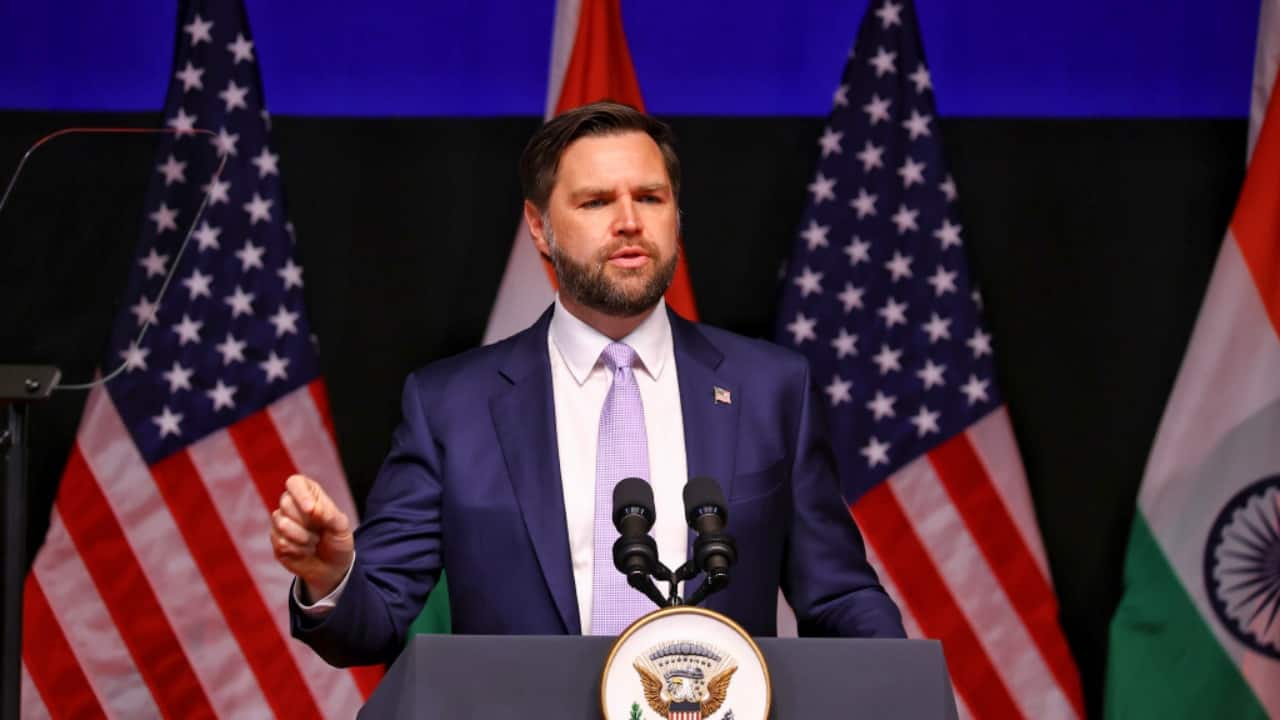
The visit of US Vice President JD Vance to India underscores the growing strategic importance of the relationship between the two nations. Vance's four-day trip, framed as a personal visit with his family, serves as a platform to advance critical discussions on trade, defense, and energy cooperation. His repeated emphasis on the necessity of a strong partnership between the United States and India highlights a recognition within the American administration that the future global order hinges significantly on this alliance. The warning of a potentially "dark time" for humanity if this partnership fails to materialize reflects a heightened awareness of the geopolitical challenges and the need for collaborative solutions. The current international landscape, characterized by increasing competition among major powers, economic uncertainties, and security threats, necessitates strong bilateral relationships to maintain stability. The United States views India as a crucial ally in counterbalancing the influence of other global powers, particularly in the Indo-Pacific region. Vance's visit is therefore not merely a diplomatic gesture but a strategic maneuver to solidify this partnership and address pressing global challenges collectively. The focus on selling more energy and defense equipment to India is a key component of this strategy. Increasing energy cooperation not only addresses India's growing energy needs but also reduces its dependence on other sources, enhancing its strategic autonomy. Similarly, bolstering defense cooperation strengthens India's security capabilities and allows it to play a more significant role in regional stability. These initiatives are mutually beneficial, fostering economic growth in both countries and contributing to a more secure and stable global environment. The praise of Prime Minister Narendra Modi as a "tough negotiator" is a candid acknowledgment of India's assertive stance in trade negotiations. India has been actively seeking to protect its economic interests and secure favorable terms in trade agreements. Vance's recognition of Modi's negotiating skills suggests a willingness on the part of the United States to engage in constructive dialogue and find mutually acceptable solutions. The ongoing efforts to finalize a trade deal are a testament to the commitment of both countries to strengthen their economic ties. The 90-day pause on steep tariffs announced by President Donald Trump's administration provides a window of opportunity to resolve outstanding issues and reach a comprehensive agreement. The successful conclusion of the first part of a trade pact by autumn would be a significant milestone, paving the way for further economic cooperation and integration. Furthermore, the discussions between Vance and Modi regarding the terms of reference for the trade negotiation indicate a structured and systematic approach towards reaching a final deal. This roadmap outlines the key areas of focus and provides a framework for continued dialogue and negotiation. The red carpet welcome for Vance in New Delhi and the positive statements from the Prime Minister's Office regarding the progress in trade negotiations underscore the importance that India attaches to its relationship with the United States. Both countries recognize the mutual benefits of closer cooperation and are committed to working together to achieve shared goals. In conclusion, JD Vance's visit to India is a significant step towards strengthening the strategic partnership between the two nations. The focus on trade, defense, and energy cooperation, coupled with the recognition of India's assertive role in negotiations, reflects a commitment to building a strong and mutually beneficial relationship. The successful conclusion of a trade deal and continued collaboration on key global challenges will be crucial for ensuring a prosperous and peaceful 21st century.
The importance of the US-India relationship is multifaceted, extending beyond mere economic or strategic considerations. It is rooted in shared values, democratic principles, and a commitment to a rules-based international order. Both countries recognize the importance of upholding these values in a world increasingly characterized by authoritarian tendencies and challenges to established norms. The partnership between the US and India serves as a beacon of democracy and a force for stability in a turbulent world. The cultural and people-to-people ties between the two countries further strengthen this relationship. The large and vibrant Indian diaspora in the United States plays a significant role in fostering understanding and cooperation between the two nations. Vance's wife being the daughter of Indian immigrants highlights the deep-rooted connections that exist between the two societies. These connections facilitate dialogue, promote cultural exchange, and contribute to a more inclusive and understanding global environment. The visit also serves as an opportunity to address common challenges, such as climate change, terrorism, and global health security. Both the US and India are committed to tackling these challenges through collaborative efforts and innovative solutions. The partnership between the two countries can serve as a model for international cooperation and demonstrate the effectiveness of multilateral approaches in addressing complex global issues. The focus on energy cooperation is particularly relevant in the context of climate change. Both countries are investing in renewable energy technologies and seeking to reduce their reliance on fossil fuels. Sharing best practices and collaborating on research and development can accelerate the transition to a cleaner and more sustainable energy future. Similarly, cooperation on defense and security matters is essential for combating terrorism and maintaining regional stability. The US and India have a shared interest in countering terrorism and preventing the proliferation of weapons of mass destruction. Strengthening defense cooperation can enhance their ability to address these threats effectively and safeguard their respective national interests. The trade negotiations between the two countries are also crucial for promoting economic growth and creating jobs. A comprehensive trade agreement can remove barriers to trade and investment, facilitate greater economic integration, and create new opportunities for businesses and consumers in both countries. The successful conclusion of these negotiations will be a significant boost to the economies of both the US and India and will further strengthen their strategic partnership. In summary, the US-India relationship is a cornerstone of the global order and a vital force for stability and prosperity. The visit of US Vice President JD Vance to India underscores the importance of this partnership and the commitment of both countries to working together to address shared challenges and achieve common goals.
However, despite the optimistic outlook presented by Vance, there are inherent complexities and potential challenges in the US-India relationship that warrant careful consideration. One such challenge lies in the differing perspectives on trade and economic policy. India, while committed to economic reforms and liberalization, often adopts a more cautious approach compared to the United States, particularly when it comes to protecting domestic industries and agricultural sectors. This can lead to friction in trade negotiations and disagreements over issues such as market access, intellectual property rights, and tariffs. Another challenge stems from the divergent strategic priorities of the two countries. While the US views India as a key partner in countering China's growing influence in the Indo-Pacific region, India maintains a policy of non-alignment and seeks to balance its relationships with various global powers. This can sometimes lead to differences in opinion on regional security issues and the appropriate response to geopolitical challenges. Furthermore, domestic political considerations in both countries can also impact the US-India relationship. Changes in government, shifts in public opinion, and lobbying efforts by special interest groups can all influence policy decisions and affect the dynamics of the bilateral relationship. For example, concerns over human rights issues in India have sometimes led to criticism from US lawmakers and civil society organizations, which can strain the relationship. Additionally, the US political climate, with its increasing polarization and protectionist tendencies, can also create challenges for maintaining a strong and stable partnership with India. Despite these challenges, the fundamental drivers of the US-India relationship remain strong. The shared values of democracy, the growing economic interdependence, and the common strategic interests in maintaining regional stability all provide a solid foundation for continued cooperation. However, it is crucial for both countries to acknowledge and address the potential challenges in order to ensure that the relationship remains on a positive trajectory. This requires open communication, mutual understanding, and a willingness to compromise on difficult issues. It also requires a long-term perspective and a commitment to building a resilient partnership that can withstand the inevitable bumps along the road. In conclusion, while JD Vance's visit to India signals a positive outlook for the US-India relationship, it is important to recognize the complexities and potential challenges that exist. By addressing these challenges proactively and maintaining a commitment to shared values and common interests, the two countries can continue to strengthen their strategic partnership and contribute to a more peaceful and prosperous world.
Source: Vance seeks closer US-India ties, warns of 'dark time' otherwise; praises 'tough negotiator' PM Modi