
 |
|
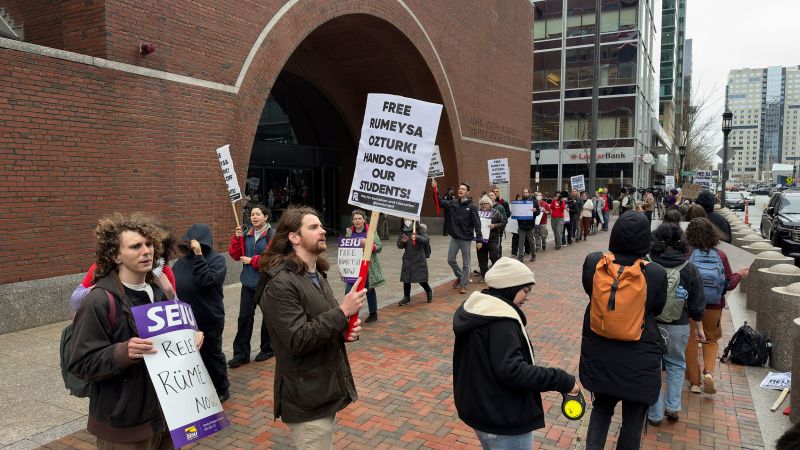
The article details the Trump administration's increasing efforts to revoke student visas, leading to the expulsion of numerous academics and students from the United States. The revocation of visas, particularly F-1, M-1, and J-1 visas, has become a contentious issue, raising concerns about academic freedom, due process, and the targeting of individuals based on their political beliefs. The US visa system is inherently complex, involving numerous requirements and conditions, which the State Department leverages to terminate visas, often without formal charges or convictions. This aggressive approach has created a climate of fear and uncertainty among international students and scholars, impacting their ability to pursue their education and research in the US. The revocation of student visas, especially when coupled with detention and deportation orders, poses significant challenges to the reputation of US higher education as a welcoming and inclusive environment for international students and scholars. Many students and educators claim they have been unfairly targeted for expressing support for Palestinian rights, with their visas revoked and legal residency terminated based on alleged associations or activities deemed detrimental to US foreign policy. The article highlights the case of Rümeysa Öztürk, a Tufts University doctoral candidate who was arrested and handcuffed after her F-1 visa was revoked, allegedly for supporting Hamas. This incident, captured on surveillance video, sparked outrage and raised serious questions about the legality and fairness of the government's actions. The article also mentions the cases of Mahmoud Khalil and Mohsen Madawi, pro-Palestinian activists at Columbia University who are fighting deportation after the State Department revoked their permanent legal resident status. These cases underscore the broader trend of targeting individuals based on their political views, raising concerns about the erosion of civil liberties and academic freedom in the US. The revocation of student visas has not only affected the individuals directly targeted but has also had a chilling effect on the broader international student community. Many students and scholars now fear expressing their views or engaging in activism, fearing that they could be targeted for deportation. This has created a climate of self-censorship, which undermines the principles of academic freedom and open inquiry. Universities have also been affected by the revocation of student visas, as they struggle to balance their commitment to academic freedom with the need to comply with government regulations. Many universities have reported that they were not formally notified of their students' visa revocations and only found out by seeing a student's name in government records. This lack of communication has created confusion and uncertainty, making it difficult for universities to support their international students and comply with their legal obligations. The Trump administration's aggressive approach to student visa revocations has also raised questions about the integrity of the Student and Exchange Visitor Program (SEVP), which is responsible for overseeing the admission and monitoring of international students and scholars in the US. The administration's threats to decertify Harvard University from SEVP unless it agrees to provide detailed disciplinary records on its international students have been widely criticized as an attempt to exert political control over elite US colleges. The article notes that the government warns students they're being watched through social media posts and direct communication. The State Department has stated that it continuously checks visa holders to ensure they follow all US laws and immigration rules, and that it will revoke their visas and deport them if they don't. This surveillance and monitoring have created a sense of unease and distrust among international students and scholars, further undermining the welcoming environment of US higher education.
The article also details the legal challenges to the visa revocations, including a lawsuit filed on behalf of more than 100 international students who claim the government is “stripping them of their ability to pursue their studies and maintain employment in the United States and risking their arrest, detention, and deportation.” These legal challenges argue that the government's actions are arbitrary and capricious, violating the students' due process rights and undermining the principles of academic freedom. The Supreme Court's ruling that visa revocations are almost never appealable has further complicated these legal challenges, limiting the ability of affected students to challenge the government's decisions. The article notes that Secretary of State Marco Rubio has terminated hundreds of visas under a rarely used provision that allows for revocation if a person's presence in the US “would have potentially serious adverse foreign policy consequences for the United States.” This broad interpretation of the law has been criticized as an abuse of power, allowing the government to target individuals based on their political views without any clear evidence of wrongdoing. The article highlights the discrepancy between the Trump administration's rhetoric on international students and the actual impact of its policies. While Trump tweeted in 2015 that foreigners who attend US colleges and want to stay should not be thrown out, his administration has canceled more than 1,000 scholars’ visas, creating a climate of fear and uncertainty. The article further points out that despite a peak in student visa approvals in 2015, approvals for F-1 visas dropped significantly in subsequent years, particularly in 2020 due to Covid travel restrictions and embassy closures. While visa approvals have returned to pre-Covid levels, they remain below the 2015 peak. This decline in student visa approvals reflects the negative impact of the Trump administration's policies on international student enrollment. The article also mentions that hundreds of institutions of higher education cited “social and political environment” in the US, as well as “feeling unwelcome,” as factors in declining international student enrollment during the first Trump administration. This suggests that the administration's policies have not only directly affected individual students but have also damaged the reputation of US higher education as a welcoming and inclusive environment for international students and scholars. The article notes that a student visa holder who violates a term or condition of their legal status cannot apply for another visa until being out of the country for at least five years, according to State Department guidelines. This harsh penalty can have long-lasting consequences for affected students, disrupting their education and career prospects. The case of Dr. Rasha Alawieh, a nephrology specialist and an associate professor at Brown University, illustrates the devastating impact of visa revocations. Alawieh was deported after ICE said she returned to the US from a trip to her native Iran, where she attended the funeral of Hezbollah leader Hassan Nasrallah. This case highlights the government's willingness to target individuals based on their political affiliations and activities, even when there is no evidence of wrongdoing.
In conclusion, the article paints a concerning picture of the Trump administration's aggressive approach to revoking student visas. This policy has created a climate of fear and uncertainty among international students and scholars, undermining the principles of academic freedom and due process. The government's actions have been criticized as arbitrary and capricious, violating the rights of affected students and damaging the reputation of US higher education. The legal challenges to the visa revocations have been complicated by the Supreme Court's ruling that visa revocations are almost never appealable, limiting the ability of affected students to challenge the government's decisions. The article also highlights the discrepancy between the Trump administration's rhetoric on international students and the actual impact of its policies, with thousands of scholars' visas canceled and student visa approvals declining in recent years. The Trump administration's student visa policy has had a significant impact on international student enrollment, with many institutions of higher education citing the “social and political environment” in the US, as well as “feeling unwelcome,” as factors in declining international student enrollment during the first Trump administration. These findings suggest that the government's actions have not only directly affected individual students but have also damaged the reputation of US higher education as a welcoming and inclusive environment for international students and scholars. The continued implementation of policies that revoke student visas and target international students based on their political views could have long-lasting consequences for the reputation of US higher education and the ability of US universities to attract the best and brightest students and scholars from around the world. It is imperative that the government adopt a more balanced and nuanced approach to student visa policy, one that prioritizes academic freedom, due process, and the welcoming of international students and scholars to the US. The implications of this aggressive visa revocation policy extend beyond the immediate impact on individuals. It also raises broader questions about the role of international students and scholars in the US, and the commitment of the US to academic freedom and open exchange of ideas. A more inclusive and welcoming approach to international education would not only benefit individual students and scholars but would also strengthen the US's position as a global leader in research and innovation.