
 |
|
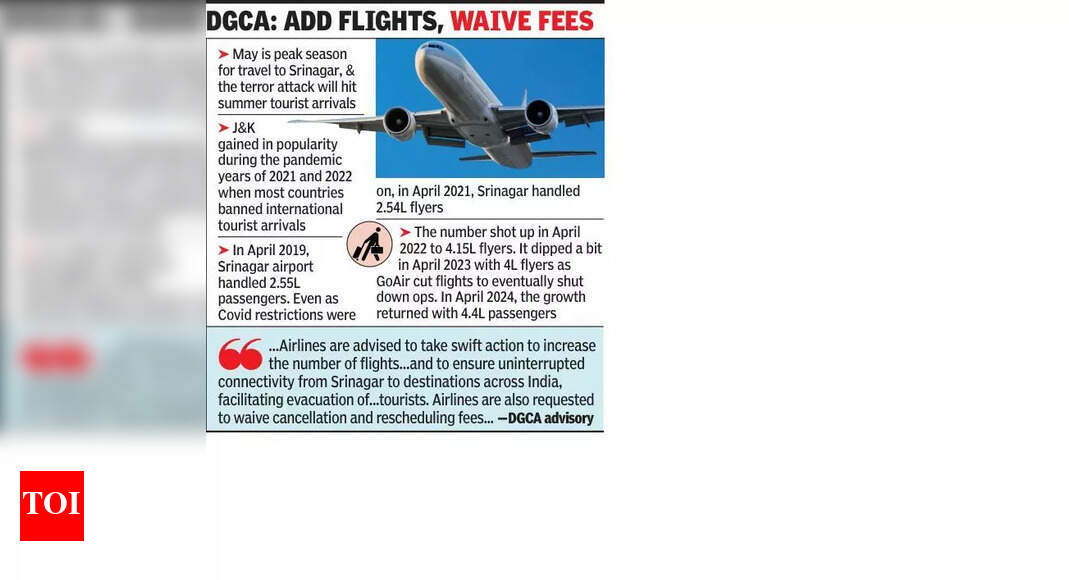
The recent terrorist attack in Pahalgam has had a significant and immediate impact on the tourism industry in Jammu & Kashmir, particularly affecting air travel to and from Srinagar. The once-popular tourist destination is now experiencing a dramatic shift, evident in the fluctuating airfares. Flights to Srinagar have seen an unprecedented drop in prices, while flights departing from Srinagar are comparatively more expensive. This disparity clearly indicates a mass exodus of tourists eager to leave the region following the tragic event. The attack, which targeted tourists, has instilled fear and uncertainty, leading to widespread cancellations and rescheduling of travel plans. Many who were already in the Valley have cut short their stay, prioritizing their safety and returning home as quickly as possible. The ripple effect of this incident is substantial, affecting not only the tourism sector but also the broader economy of the region, which relies heavily on tourist revenue. The situation highlights the vulnerability of tourism to security threats and the importance of maintaining a safe and secure environment to attract and retain visitors. The immediate aftermath of the attack saw a surge in demand for flights out of Srinagar, prompting the Directorate General of Civil Aviation (DGCA) to issue an advisory urging airlines to increase flight capacity and waive cancellation and rescheduling fees. This quick response from the regulatory body aimed to alleviate the burden on travelers seeking to leave the region and prevent price gouging during a time of crisis. Airlines such as IndiGo, Air India Express, and Akasa Air have responded positively, adding extra flights and waiving fees to assist passengers. This collaborative effort between the government and airlines is crucial in managing the immediate fallout of the attack and providing support to those affected. The long-term implications of this incident on the tourism industry in Jammu & Kashmir remain to be seen. Restoring confidence and rebuilding the region's reputation as a safe and attractive tourist destination will require concerted efforts from the government, tourism operators, and local communities. Implementing enhanced security measures, promoting positive narratives about the region, and engaging with potential tourists to address their concerns will be essential steps in the recovery process. The incident serves as a stark reminder of the interconnectedness of security, tourism, and economic stability, and the need for a comprehensive and proactive approach to managing risks and ensuring the safety of visitors.
The specific data provided in the article paints a clear picture of the dramatic changes occurring in the Srinagar air travel market. The cheapest 24-hour advance purchase fare from Mumbai to Srinagar plummeted to an all-time low of Rs 4,800, a stark contrast to the usual fares. Conversely, the cheapest fare from Srinagar to Mumbai surged to Rs 14,000. While this might not seem exceptionally high in normal circumstances, the article points out that a three-week advance purchase return fare for year-end travel in December 2024 on the same route starts at Rs 44,000, illustrating the significant difference in demand and pricing. This price disparity underscores the urgency of those seeking to leave Srinagar and the reluctance of travelers to enter the region. The sharp drop in fares to Srinagar reflects the diminished demand due to cancellations and the lack of new bookings. The increased fares from Srinagar, on the other hand, are driven by the sudden surge in demand from tourists wanting to evacuate the area. These fluctuations are a direct consequence of the security situation and the resulting impact on traveler sentiment. The statement from Manjari Singhal, chief growth and business at Cleartrip, further emphasizes the severity of the situation. According to her, flight cancellations have jumped by seven times, and there has been a 40% drop in future bookings. These figures highlight the immediate and substantial impact of the terrorist attack on the travel industry. The cancellations represent a loss of revenue for airlines and tourism operators, while the drop in future bookings indicates a longer-term decline in demand. The actions of travel companies in issuing statements condemning the attack and offering support to tourists wanting to cancel or reschedule their trips demonstrate a sense of corporate responsibility and a commitment to assisting those affected. This proactive approach helps to mitigate the negative impact of the incident and provides reassurance to travelers. Furthermore, the airlines' decision to waive cancellation and rescheduling fees is a significant gesture of goodwill and a practical measure to alleviate the financial burden on passengers. This collaborative effort between airlines and travel companies is crucial in managing the crisis and supporting the tourism industry in its recovery.
The swift response from the DGCA in issuing an advisory to airlines to add flights to Jammu & Kashmir and waive cancellation and rescheduling charges demonstrates the government's commitment to addressing the immediate needs of travelers. This proactive measure aims to prevent price gouging and ensure that those who wish to leave Srinagar can do so without facing exorbitant costs. The advisory also encourages airlines to increase flight capacity to accommodate the surge in demand, thereby easing the pressure on the air travel system. IndiGo's decision to add special flights to Srinagar from Delhi and Mumbai, operating over and above its existing 160 weekly flights, is a significant contribution to the relief effort. This increase in flight frequency provides additional options for travelers seeking to leave or enter the region. The airline's waiver of cancellation and rescheduling charges further demonstrates its commitment to supporting passengers during this difficult time. Air India Express and Akasa Air have also followed suit, waiving these charges for passengers booked on flights within a specified timeframe. This collective action by airlines underscores their understanding of the situation and their willingness to assist travelers affected by the terrorist attack. The addition of flights and the waiver of fees are crucial steps in mitigating the negative impact of the incident on the tourism industry. These measures help to alleviate the burden on travelers and demonstrate a sense of solidarity and support. The collaborative effort between the government, airlines, and travel companies is essential in managing the crisis and ensuring that the tourism industry can recover and thrive in the long term. The situation also highlights the importance of contingency planning and preparedness in the tourism sector. Having robust plans in place to respond to unforeseen events such as terrorist attacks or natural disasters is crucial for minimizing disruption and ensuring the safety and well-being of travelers. These plans should include measures for coordinating with government agencies, airlines, and other stakeholders, as well as protocols for communicating with travelers and providing assistance. Investing in security measures and promoting a safe and secure environment are also essential for maintaining confidence in the tourism industry and attracting visitors.
Source: Airfares on Srinagar-bound flights drop as tourist cancellations surge