
 |
|
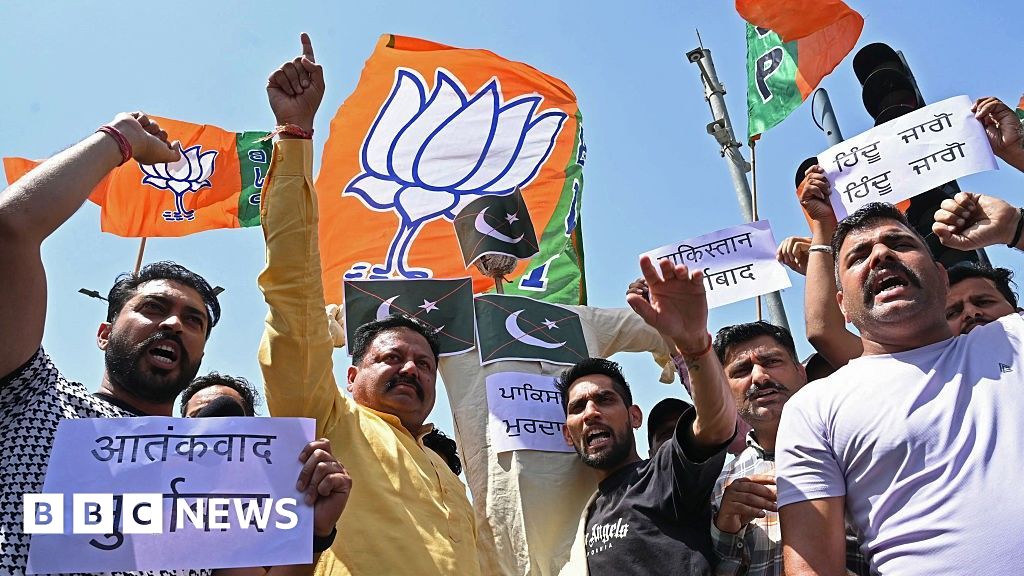
The recent attack in Pahalgam, Kashmir, resulting in the deaths of at least 26 tourists, has ignited a familiar yet deeply concerning debate about India's response to militancy in the region. This incident, being the deadliest militant attack since 2019, carries immense symbolic weight. The targeting of civilians on holiday underscores a deliberate attempt to undermine the fragile sense of normalcy that the Indian government has been striving to cultivate in the disputed territory. Given the complex and fraught history of Kashmir, where both India and Pakistan claim the region in full, but administer it only in part, any response from India will undoubtedly be shaped by existing precedents and the intense pressure to project strength and resolve. The key question now revolves not around whether India will retaliate, but rather the timing, the scale, and the potential consequences of such action. The historical context, particularly India's responses to previous attacks in 2016 and 2019, heavily influences the expectations and potential pathways for retaliation. Following the Uri attack in 2016, where 19 Indian soldiers were killed, India launched what it termed "surgical strikes" across the Line of Control (LoC), targeting alleged militant launch pads within Pakistan-administered Kashmir. Then, in 2019, after the Pulwama attack that claimed the lives of at least 40 paramilitary personnel, India conducted airstrikes on an alleged militant camp in Balakot, marking the first such incursion deep into Pakistani territory since 1971. Pakistan responded with its own air raids, leading to a brief but tense aerial engagement and the temporary capture of an Indian pilot. While both sides demonstrated their capabilities, they ultimately refrained from escalating the conflict into a full-scale war. A ceasefire agreement along the LoC was established in 2021, which has largely held despite continued militant activity in Indian-administered Kashmir. The Pahalgam attack introduces a new layer of complexity, as it specifically targets civilian tourists, potentially amplifying the pressure on the Indian government to deliver a strong and decisive response. The immediate aftermath of the attack saw Delhi swiftly implementing retaliatory measures, including the closure of the main border crossing, the suspension of a crucial water-sharing treaty, and the expulsion of diplomats. These actions, while symbolic, serve to signal India's displeasure and intent to hold Pakistan accountable, directly or indirectly. Defence Minister Rajnath Singh's vow of a "strong response," promising action against not only the perpetrators but also the masterminds behind the attack, further reinforces this sentiment. This rhetoric sets the stage for a more significant military response, mirroring the patterns observed in 2016 and 2019. The challenge for India lies in calibrating its response in a manner that effectively deters future attacks while minimizing the risk of escalating tensions into a broader conflict with Pakistan. The potential for miscalculation remains a significant concern, particularly given the history of reciprocal actions and the potential for unintended consequences. A strike that is perceived as too weak might be seen as an invitation for further aggression, while an excessively forceful response could provoke a counter-response, potentially leading to a dangerous escalation. The need for careful consideration and strategic planning cannot be overstated.
Military historian Srinath Raghavan highlights the crucial role of precedent in shaping India's response. He argues that the actions taken in 2016 and 2019 have set a threshold for retaliation, making it difficult for the government to pursue a less assertive approach. "We are likely to see a strong response – one that signals resolve to both domestic audiences and actors in Pakistan. Since 2016 and especially after 2019, the threshold for retaliation has been set at cross-border or air strikes," Raghavan told the BBC. This statement underscores the political and strategic constraints that India faces. A failure to respond with sufficient force could be interpreted as weakness, both domestically and internationally, potentially undermining the government's credibility and emboldening militant groups. However, the potential consequences of a military response, including the risk of escalation and the impact on regional stability, must also be carefully considered. Pakistan's likely response to any Indian military action further complicates the situation. As witnessed in the past, Pakistan is likely to retaliate in some form, potentially through its own cross-border strikes or other forms of asymmetric warfare. This creates a dangerous cycle of action and reaction, where each side seeks to demonstrate its resolve and deter further aggression. The risk of miscalculation, as Raghavan points out, is ever-present. A misreading of the other side's intentions or capabilities could lead to an unintended escalation, with potentially disastrous consequences. The presence of nuclear weapons on both sides further amplifies the stakes, making it imperative that both countries exercise restraint and engage in responsible diplomacy to de-escalate tensions. The international community also has a crucial role to play in mediating between India and Pakistan and preventing a further deterioration of the security situation in Kashmir. Diplomatic efforts aimed at promoting dialogue and resolving the underlying issues that fuel the conflict are essential for achieving long-term peace and stability in the region. In addition to the military and diplomatic dimensions, India's response to the Pahalgam attack must also address the underlying causes of militancy in Kashmir. This requires a comprehensive approach that includes addressing socio-economic grievances, promoting good governance, and fostering a sense of inclusivity and belonging among the Kashmiri people. By addressing the root causes of the conflict, India can reduce the appeal of militancy and create a more conducive environment for peace and stability. The government must also prioritize the safety and security of civilians in Kashmir, ensuring that they are protected from future attacks. This requires strengthening security measures, improving intelligence gathering, and enhancing coordination between different security agencies. At the same time, it is crucial to avoid measures that could alienate the local population or infringe on their human rights. A balanced approach that prioritizes both security and human rights is essential for building trust and fostering a sense of normalcy in the region.
Foreign policy analyst Michael Kugelman believes that the targeting of Indian civilians and the high fatality levels in the Pahalgam attack significantly increase the likelihood of an Indian military response against Pakistan. He emphasizes that Delhi's determination or even mere assumption of Pakistani complicity could trigger such a response. "The combination of high fatality levels and the targeting of Indian civilians in the latest attack 'suggests a strong possibility of an Indian military response against Pakistan, if Delhi determines or merely assumes any level of Pakistani complicity'." Kugelman's analysis highlights the crucial role of perception and attribution in shaping India's decision-making process. If the Indian government believes that Pakistan was directly or indirectly involved in the attack, either through providing support to the militants or failing to prevent them from operating within its territory, it is highly likely to retaliate. This could take the form of cross-border strikes, airstrikes, or other forms of military action aimed at disrupting militant infrastructure and deterring future attacks. However, it is important to note that the decision to retaliate militarily carries significant risks. Pakistan is likely to deny any involvement in the attack and may respond with its own military actions, potentially leading to a dangerous escalation. The international community is likely to call for restraint and urge both sides to engage in dialogue to resolve the crisis. However, the deep-seated mistrust and historical animosity between India and Pakistan make it difficult to achieve a peaceful resolution. The Pahalgam attack underscores the fragility of the security situation in Kashmir and the ongoing threat of militancy. The attack also highlights the vulnerability of civilians in the region, who are often caught in the crossfire between militants and security forces. The Indian government faces a difficult challenge in balancing the need to respond decisively to the attack with the desire to avoid escalating tensions with Pakistan and further destabilizing the region. A comprehensive approach that combines military, diplomatic, and political efforts is essential for achieving long-term peace and stability in Kashmir. This requires addressing the underlying causes of militancy, promoting good governance, and fostering a sense of inclusivity and belonging among the Kashmiri people. It also requires engaging in constructive dialogue with Pakistan to resolve the outstanding issues that fuel the conflict. Ultimately, the path to peace in Kashmir lies in addressing the root causes of the conflict and building a future where all residents can live in safety and security. India's response to the Pahalgam attack will have significant implications for the future of Kashmir and the relationship between India and Pakistan. A well-calibrated and strategically sound approach is essential for minimizing the risks and maximizing the chances of achieving a lasting peace.
Source: Pahalgam attack: How will India respond to the Kashmir killings