
 |
|
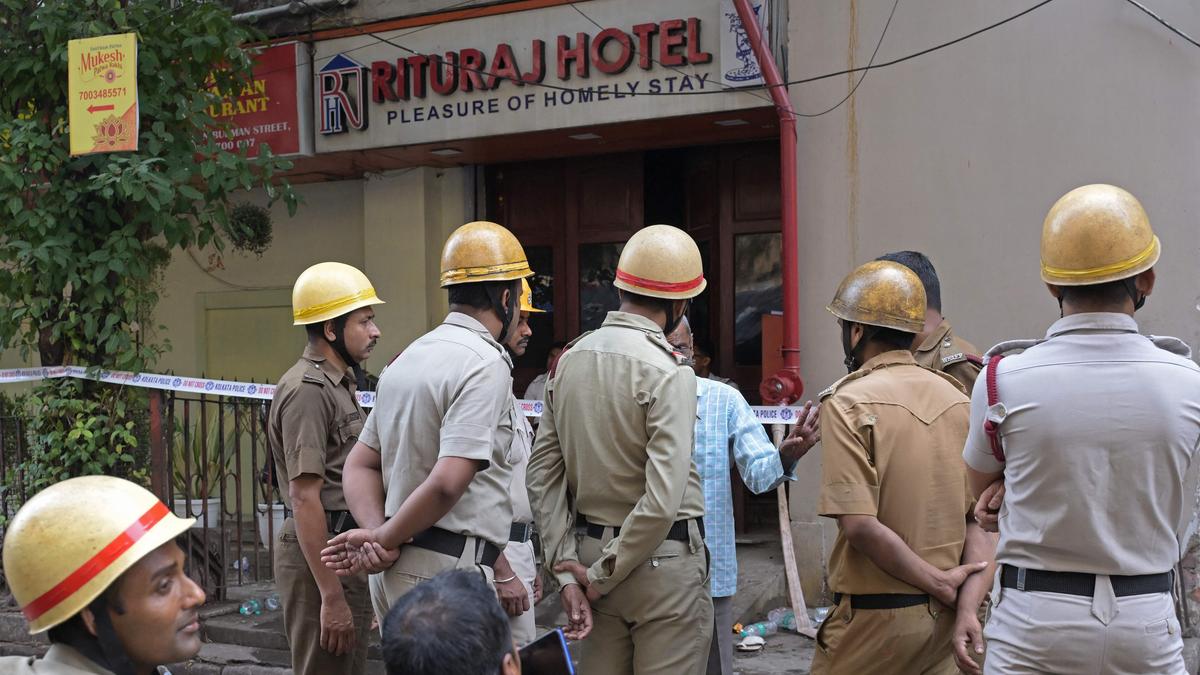
The devastating fire at the Rituraj Hotel in Kolkata's Burrabazar area on April 29, 2025, resulted in the tragic loss of fourteen lives, casting a pall of gloom over the city and beyond. Among the deceased were three individuals hailing from Karur, Tamil Nadu: Muthukrishnan and his two young children, Diya and Rithan. This particular loss has resonated deeply within Tamil Nadu, prompting Chief Minister M.K. Stalin to express his heartfelt condolences and pledge the state government's unwavering support to the grieving family. The incident underscores the critical importance of fire safety regulations and emergency preparedness in hotels and similar establishments, especially those located in densely populated urban areas. The circumstances surrounding the fire, including the challenges faced by rescue teams navigating the congested lanes of Mechua, highlight systemic vulnerabilities that demand immediate attention and corrective action. It serves as a stark reminder of the potential consequences of inadequate fire safety measures and the urgent need for stricter enforcement of existing regulations. Moreover, the incident raises questions about the overall safety standards of budget hotels in bustling commercial districts, often characterized by high occupancy rates and limited egress options. A thorough investigation into the cause of the fire is essential to identify the specific factors that contributed to the rapid spread of the flames and the high number of casualties. Such an investigation should encompass a comprehensive assessment of the hotel's fire safety infrastructure, including fire alarms, sprinkler systems, and emergency exits. Furthermore, it should examine the adequacy of staff training in fire safety protocols and evacuation procedures. The findings of the investigation should be used to inform the development of more stringent fire safety regulations and to promote a culture of fire safety consciousness among hotel owners, staff, and guests. In addition to regulatory reforms, it is crucial to invest in public awareness campaigns to educate the public about fire safety measures and emergency procedures. Such campaigns should target not only hotel guests but also residents of densely populated urban areas, who are particularly vulnerable to the risks of fire. The campaigns should emphasize the importance of being aware of emergency exits, knowing how to use fire extinguishers, and having a well-defined evacuation plan. The tragic loss of life in the Kolkata hotel fire should serve as a catalyst for meaningful change in fire safety practices and regulations. It is imperative that all stakeholders, including government agencies, hotel owners, and the public, work together to prevent similar tragedies from occurring in the future. This requires a multi-faceted approach that encompasses stricter enforcement of fire safety regulations, enhanced public awareness campaigns, and a commitment to continuous improvement in fire safety practices. Only through such concerted efforts can we ensure the safety and well-being of all citizens, particularly those who reside in or visit densely populated urban areas. The incident also underscores the importance of proactive measures to address the underlying causes of fire, such as faulty electrical wiring, overloaded circuits, and the improper storage of flammable materials. Regular inspections of hotels and other commercial establishments should be conducted to identify and rectify potential fire hazards. Moreover, building codes should be updated to reflect the latest advancements in fire safety technology and to ensure that new buildings are designed and constructed to minimize the risk of fire. The Kolkata hotel fire is a stark reminder that fire safety is not merely a matter of compliance with regulations but a fundamental responsibility that we owe to ourselves and to each other. It is a collective responsibility that requires the active participation of all members of society, from government officials to hotel owners to individual citizens. By working together, we can create a safer and more fire-resistant environment for all.
The geographical context of the tragedy further complicates the situation. The Burrabazar area, known for its narrow, congested lanes, presents significant challenges for emergency responders. The difficulty in accessing the hotel hampered rescue efforts, potentially contributing to the high number of fatalities due to suffocation. This highlights the need for urban planning strategies that prioritize accessibility for emergency vehicles and ensure adequate fire breaks in densely populated areas. The incident also raises questions about the enforcement of building codes and zoning regulations in areas like Burrabazar, where illegal construction and overcrowding are rampant. A comprehensive review of urban planning policies and enforcement mechanisms is necessary to address these issues and to create a safer urban environment. Furthermore, the psychological impact of the fire on survivors and the families of the victims cannot be overlooked. Counseling services and support groups should be made available to help those affected cope with the trauma and grief associated with the tragedy. The government and non-governmental organizations should work together to provide these services and to ensure that they are accessible to all who need them. The Kolkata hotel fire is not an isolated incident but rather a symptom of a broader systemic problem. Similar fires have occurred in other cities across India, highlighting the need for a national strategy to address fire safety in hotels and other commercial establishments. Such a strategy should include the development of national fire safety standards, the establishment of a national fire safety training academy, and the implementation of a national fire safety awareness campaign. The strategy should also address the issue of corruption and negligence, which often contribute to the lax enforcement of fire safety regulations. Stricter penalties should be imposed on those who violate fire safety regulations, and mechanisms should be put in place to ensure that government officials are held accountable for their actions. The Kolkata hotel fire is a tragic reminder of the importance of fire safety. It is a call to action for all stakeholders to work together to prevent similar tragedies from occurring in the future. By learning from this incident and by implementing the necessary reforms, we can create a safer and more fire-resistant environment for all.
The response of the Tamil Nadu government, led by Chief Minister Stalin, in offering condolences and support to the family highlights the importance of state-level intervention in such crises. The assurance of government assistance provides a crucial lifeline to the bereaved family, helping them navigate the immediate aftermath of the tragedy and access the resources they need to rebuild their lives. This gesture also underscores the importance of inter-state coordination in responding to emergencies and providing support to victims who may be located in different parts of the country. The Tamil Nadu government's response can serve as a model for other states to follow in providing compassionate and effective assistance to victims of disasters and emergencies. Furthermore, the incident highlights the role of media in reporting on tragedies and in raising awareness about fire safety. Responsible journalism is essential to ensure that the public is informed about the risks of fire and the measures they can take to protect themselves. The media should also hold government officials and hotel owners accountable for their actions and should advocate for stronger fire safety regulations. The Kolkata hotel fire is a complex issue with multiple dimensions. It is a tragedy that has claimed the lives of fourteen people and has left a lasting impact on the families and communities affected. It is also a reminder of the importance of fire safety and the need for a comprehensive and coordinated approach to prevent future tragedies. By learning from this incident and by working together, we can create a safer and more fire-resistant environment for all. The long-term consequences of such a devastating event also extend beyond the immediate grief and loss. The economic impact on the families who lost loved ones, particularly if the deceased were primary income earners, can be significant. Access to financial assistance, job training, and other support services is crucial to help these families regain their economic stability. The Kolkata hotel fire is a tragic event that underscores the importance of proactive measures, stringent regulations, and a collective commitment to fire safety. It is a call to action for all stakeholders to work together to create a safer and more resilient society. Only through such concerted efforts can we hope to prevent similar tragedies from occurring in the future and to protect the lives and well-being of all citizens. The event serves as a critical reminder of the importance of continuous improvement and vigilance in ensuring public safety.
Source: Kolkata hotel fire: Three from Tamil Nadu killed; CM Stalin condoles deaths