
 |
|
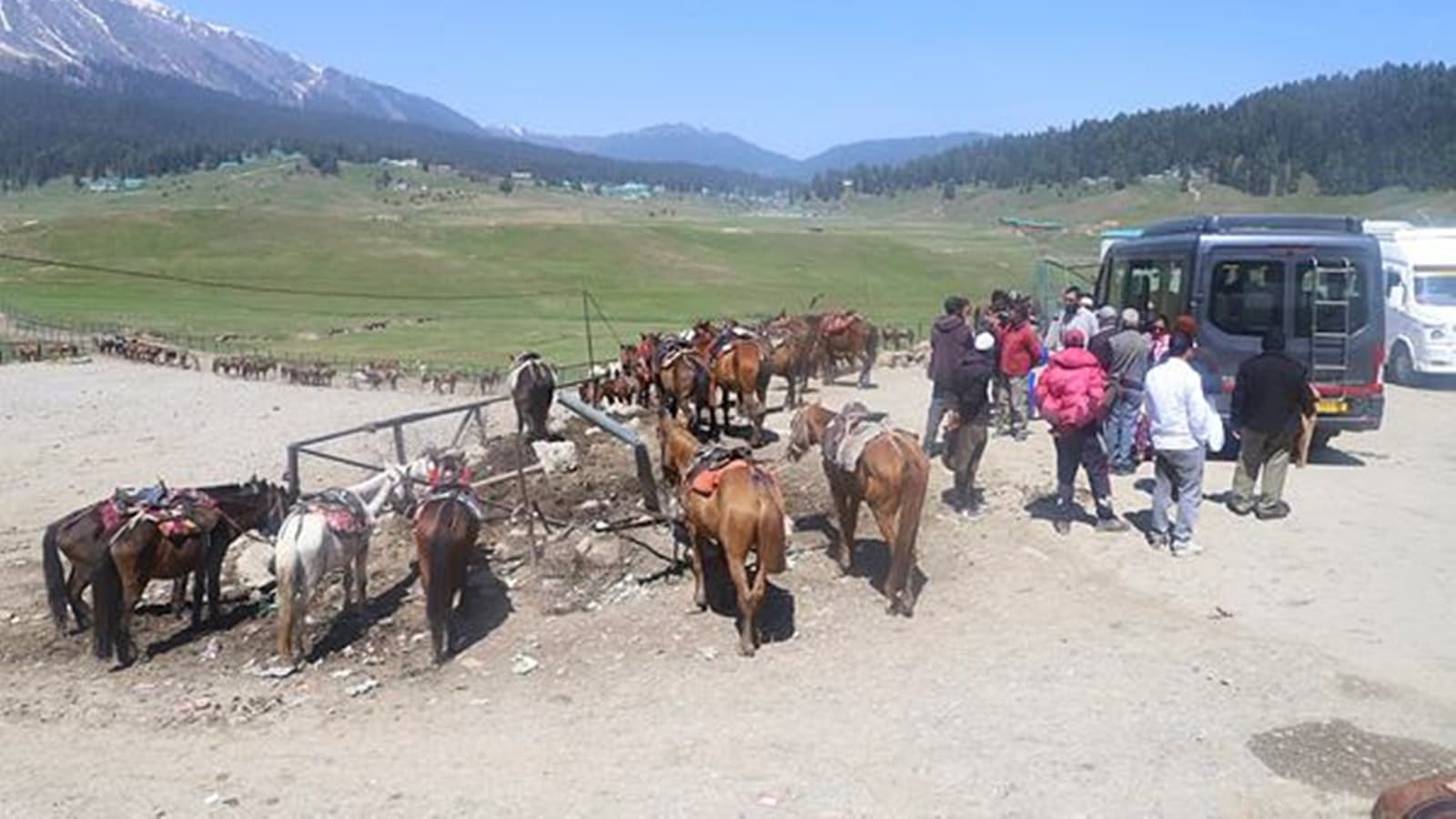
The relationship between tourists and the people of Kashmir is multifaceted, extending beyond mere transactional interactions. Unlike visits to other regions of India such as Gujarat or Tamil Nadu, a trip to Kashmir carries a unique weight, laden with historical, political, and cultural significance. The locals, while welcoming tourists, are deeply invested in safeguarding their distinct identity, voice, and cultural heritage. Conversely, for many Indian tourists, Kashmir's allure lies in its perceived integral connection to India, a silent dialogue that plays out against the backdrop of stunning natural beauty and historical complexities. The recent Pahalgam attack, however tragic, served as a stark reminder of the delicate balance inherent in this relationship. Despite the shadow of separatism and past violence, the underlying bond between the Valley and its visitors has remarkably persevered. This resilience is evident in the increasing numbers of tourists who have flocked to the region, especially after the dilution of Article 370 in 2019, which has contributed to a sense of improved safety among the Kashmiri population. The thriving tourism sector has brought economic benefits to the local communities, with numerous individuals finding employment and livelihood opportunities within the industry. The presence of vegetarian 'Vaishnaw Dhabas' and the high occupancy rates in hotels during peak seasons are further testaments to the resurgence of tourism in the region. Despite the competition from destinations like Goa and Kerala, Kashmir retains its unique appeal as 'heaven on earth,' a sentiment deeply ingrained in the collective consciousness of many middle-class Indian families who aspire to visit the region at least once in their lifetimes. The historical and cultural tapestry of Kashmir, woven over centuries, contributes significantly to its enduring allure. From the writings of Kalidas, which celebrate the beauty of the Himalayas, to Adi Shankaracharya's journey that solidified Kashmir's place in Hindu history, the region's legacy is deeply embedded in India's collective memory. The Mughal Emperor Jahangir's famous declaration, 'If there is paradise on this earth, it is here, it is here, it is here,' has become an enduring slogan that encapsulates the region's unparalleled beauty. Furthermore, Indian cinema has played a crucial role in shaping the perception of Kashmir as a romantic and idyllic destination. Films like 'Junglee,' 'Kashmir Ki Kali,' and 'Jab Jab Phool Khile' have intertwined depictions of romance with the captivating landscapes of the Valley, further solidifying its place in the national psyche. The iconic song 'Yeh chand sa roshan chehra,' set on Dal Lake, remains a timeless symbol of romance, while Shammi Kapoor's exuberant portrayal of freedom and joy amidst the snowy mountains has resonated with generations of young Indians. These cinematic representations have fostered a sense of connection and longing for Kashmir, inspiring countless individuals to experience its beauty firsthand. The allure of Kashmir is not solely confined to its natural beauty and cultural heritage. For many Indian tourists, the region holds political, religious, nationalist, and patriotic significance. Some are drawn to the soothing influence of Kashmiri Sufism, while others are fascinated by the region's Persian and Central Asian influences. Hindu pilgrims seek connection to Trika Shaivism, further enriching the region's diverse cultural landscape. However, the relationship between tourists and the people of Kashmir is not without its complexities. The displacement of Kashmiri Pandits in the late 1990s continues to cast a shadow over the region, prompting questions about the inclusivity and safety of the Valley. For some hardline Hindus, Kashmir represents the 'crown of Mother India,' fueling a desire to reclaim and celebrate its perceived Indian identity. This complex interplay of historical narratives, political sentiments, and cultural aspirations underscores the nuanced nature of tourism in Kashmir.
The affordability and accessibility of Kashmir, in contrast to exotic international destinations, further contribute to its popularity among Indian tourists. With only a small percentage of Indians holding passports, Kashmir offers a readily available escape to a 'mini Switzerland' just a flight away. The warmth and hospitality of the Kashmiri people are also significant factors in shaping the overall tourist experience. Many visitors forge lasting relationships with locals who help facilitate their stay, creating a sense of connection and belonging. However, these positive experiences are often tempered by moments of painful realization, such as when a shikarawala or taxi driver asks a tourist, 'Aap India se aaye ho?' This question serves as a poignant reminder of the complex political dynamics and the ongoing debate about Kashmir's identity and its relationship with India. Despite these challenges, the recent outpouring of support and solidarity from local Kashmiris following the Pahalgam attack demonstrates a renewed commitment to peace and unity. The tears in the eyes of shikarawalas and Pashmina shawl sellers during the protest march conveyed a powerful message of condemnation against terrorism and Pakistan's support for it. This national dialogue must continue and expand beyond tourism to encompass all aspects of life, fostering understanding, empathy, and mutual respect between the people of Kashmir and the rest of India. The future of tourism in Kashmir hinges on the ability to navigate these complexities and create a truly inclusive and welcoming environment for all visitors. This requires addressing the historical grievances, promoting cross-cultural understanding, and fostering a sense of shared identity. The development of sustainable tourism practices that prioritize the well-being of local communities and the preservation of the region's natural and cultural heritage is also essential. By embracing a holistic and responsible approach to tourism, Kashmir can unlock its full potential as a destination that not only captivates visitors with its beauty but also enriches their understanding of India's diverse and complex identity. The resurgence of tourism in Kashmir represents an opportunity to bridge divides, foster economic growth, and promote peace and stability in the region. It is imperative that all stakeholders work together to ensure that this opportunity is not squandered and that Kashmir can truly reclaim its rightful place as a paradise on earth, both for its residents and its visitors.
Ultimately, the experience of visiting Kashmir is a deeply personal and transformative one, shaped by individual perspectives, historical awareness, and cultural sensitivities. It is a journey that invites reflection on the complexities of identity, belonging, and the enduring power of human connection. By engaging in thoughtful dialogue, fostering empathy, and celebrating the rich tapestry of Kashmiri culture, visitors can contribute to a more nuanced and informed understanding of this remarkable region. As Kashmir continues to evolve and navigate its future, tourism can serve as a catalyst for positive change, fostering reconciliation, and building a more harmonious and prosperous society. The key lies in recognizing the inherent dignity and humanity of all individuals, regardless of their background or beliefs, and embracing a spirit of mutual respect and understanding. Only then can Kashmir truly realize its potential as a beacon of hope and inspiration, a place where the beauty of nature and the richness of culture converge to create a truly unforgettable experience. The challenge lies in transforming the tourist gaze into a deeper engagement with the lived realities of the Kashmiri people, fostering a sense of shared humanity and collective responsibility for the future of the region. This requires moving beyond superficial encounters and embracing opportunities for meaningful interaction, dialogue, and cultural exchange. By supporting local businesses, engaging with local artisans, and participating in community initiatives, visitors can contribute to the economic empowerment of the Kashmiri people and help preserve their unique cultural heritage. Furthermore, by educating themselves about the history and political dynamics of the region, visitors can gain a deeper appreciation for the challenges and opportunities facing the Kashmiri people. Ultimately, the future of tourism in Kashmir depends on the willingness of all stakeholders to embrace a more responsible and sustainable approach, one that prioritizes the well-being of local communities, the preservation of the region's natural and cultural heritage, and the promotion of peace and understanding. By working together, we can ensure that Kashmir remains a paradise on earth for generations to come.
Source: The tourists and the locals in Kashmir: The conversations we have and the ones we don’t