
 |
|
The recent militant attack in Kashmir, resulting in the tragic loss of 26 lives, predominantly tourists, has sent shockwaves throughout India and the international community. The incident, claimed by the relatively unknown Kashmir Resistance group, marks a significant escalation in the region's long-standing conflict and poses a serious challenge to the Indian government's efforts to establish peace and normalcy in the disputed territory. The attack's timing and target selection raise critical questions about the motives behind it and the potential implications for the future of Kashmir's security and stability. The response from Indian security forces has been swift and decisive, with a massive manhunt launched to apprehend the perpetrators. However, the incident has also triggered a wave of fear and uncertainty among tourists and residents alike, leading to an immediate exodus from the region. The economic consequences of this attack, particularly for the tourism industry, are likely to be substantial. Beyond the immediate security concerns, the attack also highlights the complex and deeply rooted political and social issues that continue to fuel the conflict in Kashmir. The Kashmir Resistance group's claim of responsibility, citing discontent over demographic changes in the region, underscores the simmering resentment among some segments of the population towards the Indian government's policies. The revocation of Kashmir's semi-autonomous status in 2019, the subsequent imposition of a communication blockade, and the influx of “outsiders” have all contributed to a sense of alienation and marginalization among some Kashmiris. The long-term solution to the conflict in Kashmir requires a multi-faceted approach that addresses both the immediate security challenges and the underlying political and social grievances. This includes strengthening security measures to prevent future attacks, promoting inclusive dialogue and reconciliation, and addressing the concerns of all stakeholders in the region. The international community also has a role to play in supporting these efforts and encouraging peaceful resolution of the conflict. The attack serves as a stark reminder of the fragility of peace in Kashmir and the urgent need for a comprehensive and sustainable solution. The incident has also drawn strong condemnation from world leaders, including those from the United States, Russia, and Italy, demonstrating the global concern over the situation in Kashmir and the importance of international cooperation in combating terrorism. The United Nations Secretary-General has also condemned the attack, emphasizing that attacks against civilians are unacceptable under any circumstances. The attack has had a severe impact on the local tourism industry, with many tourists cancelling their plans to visit the region. This will have a significant impact on the livelihoods of many local people who depend on tourism for their income. The government has announced measures to support the tourism industry and to ensure the safety and security of tourists. The attack has also raised concerns about the security situation in the region, with many people calling for increased security measures. The government has responded by deploying additional security forces to the region and by increasing patrols. The attack has also led to calls for a political solution to the conflict in Kashmir. Many people believe that a lasting peace can only be achieved through dialogue and negotiations between all parties involved. The government has expressed its willingness to engage in dialogue, but it has also made it clear that it will not tolerate terrorism or violence. The situation in Kashmir remains tense, and it is unclear what the future holds. However, it is clear that a lasting peace can only be achieved through a comprehensive and multi-faceted approach that addresses both the immediate security challenges and the underlying political and social grievances.
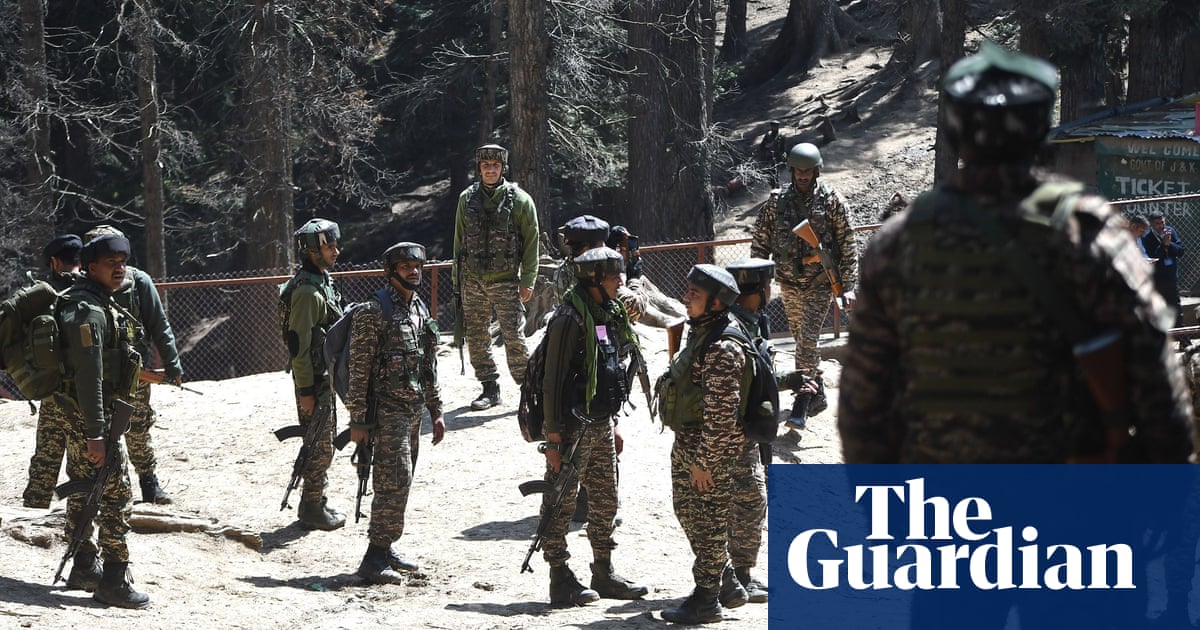
The attack, which involved four gunmen, targeted tourists in the Pahalgam area, a popular destination known for its scenic beauty. The victims included 25 Indian nationals and one Nepalese national, making it the deadliest attack on civilians in India since the 2008 Mumbai shootings. This comparison underscores the severity of the incident and the deep sense of vulnerability it has instilled among the Indian population. The attack's location, a meadow in Pahalgam, suggests that the militants specifically targeted a tourist area, indicating a deliberate attempt to disrupt the region's tourism industry and undermine the government's efforts to promote normalcy. The choice of target also suggests that the militants are seeking to maximize the impact of their actions by targeting civilians and disrupting the economic activity of the region. The Indian government's response to the attack has been swift and decisive. Prime Minister Narendra Modi cut short his visit to Saudi Arabia and returned to New Delhi to convene high-level security meetings. The government has also launched a massive manhunt for the perpetrators of the attack, deploying tens of thousands of armed police and troops to the region. These measures are intended to reassure the public that the government is taking the situation seriously and that it is committed to bringing the perpetrators to justice. However, the government's response also raises concerns about the potential for increased security measures and restrictions on civil liberties in the region. The imposition of a communication blockade in 2019, following the revocation of Kashmir's semi-autonomous status, has already drawn criticism from human rights organizations and international observers. Any further restrictions on civil liberties could further alienate the local population and exacerbate the existing tensions in the region. The attack has also prompted a wave of condemnation from international leaders. The US Vice President, JD Vance, called it a "devastating terrorist attack," while former President Donald Trump expressed solidarity with India against terrorism. The Russian President, Vladimir Putin, and the Italian Prime Minister, Giorgia Meloni, also condemned the attack. These expressions of solidarity demonstrate the international community's concern over the situation in Kashmir and its willingness to support India in its fight against terrorism. However, it is important to note that the international community's response to the conflict in Kashmir has been complex and nuanced. Many countries have expressed concerns about human rights violations in the region and have called for a peaceful resolution of the conflict through dialogue and negotiations.
The Kashmir Resistance group's claim of responsibility for the attack adds another layer of complexity to the situation. The group, which is relatively unknown, claims to be motivated by discontent over demographic changes in the region. This suggests that the attack is not simply a random act of violence but is instead a deliberate attempt to challenge the Indian government's policies and to assert the group's claim to legitimacy. The group's statement that the victims were "not ordinary tourists" but were instead "linked to and affiliated with Indian security agencies" further complicates the situation. If this claim is true, it would suggest that the attack was a targeted operation against specific individuals rather than a random act of violence against civilians. However, it is important to note that this claim has not been independently verified and should be treated with caution. The attack has also raised questions about the effectiveness of the Indian government's counter-terrorism strategy in Kashmir. Despite the presence of a large number of security forces in the region, militants have been able to carry out attacks on civilians, suggesting that the government's strategy is not fully effective. The government may need to re-evaluate its counter-terrorism strategy and to explore new approaches to address the root causes of militancy in the region. The long-term solution to the conflict in Kashmir requires a multi-faceted approach that addresses both the immediate security challenges and the underlying political and social grievances. This includes strengthening security measures to prevent future attacks, promoting inclusive dialogue and reconciliation, and addressing the concerns of all stakeholders in the region. The international community also has a role to play in supporting these efforts and encouraging peaceful resolution of the conflict. The attack serves as a stark reminder of the fragility of peace in Kashmir and the urgent need for a comprehensive and sustainable solution. The incident has also highlighted the importance of addressing the underlying causes of militancy and of promoting inclusive dialogue and reconciliation. Only through a concerted effort to address these challenges can a lasting peace be achieved in Kashmir. The attack has also underscored the importance of international cooperation in combating terrorism. The international community must work together to share information, coordinate strategies, and provide support to countries that are struggling to combat terrorism. Only through a concerted global effort can terrorism be defeated.
Source: Indian security forces hunt militants after 26 tourists killed in Kashmir attack