
 |
|
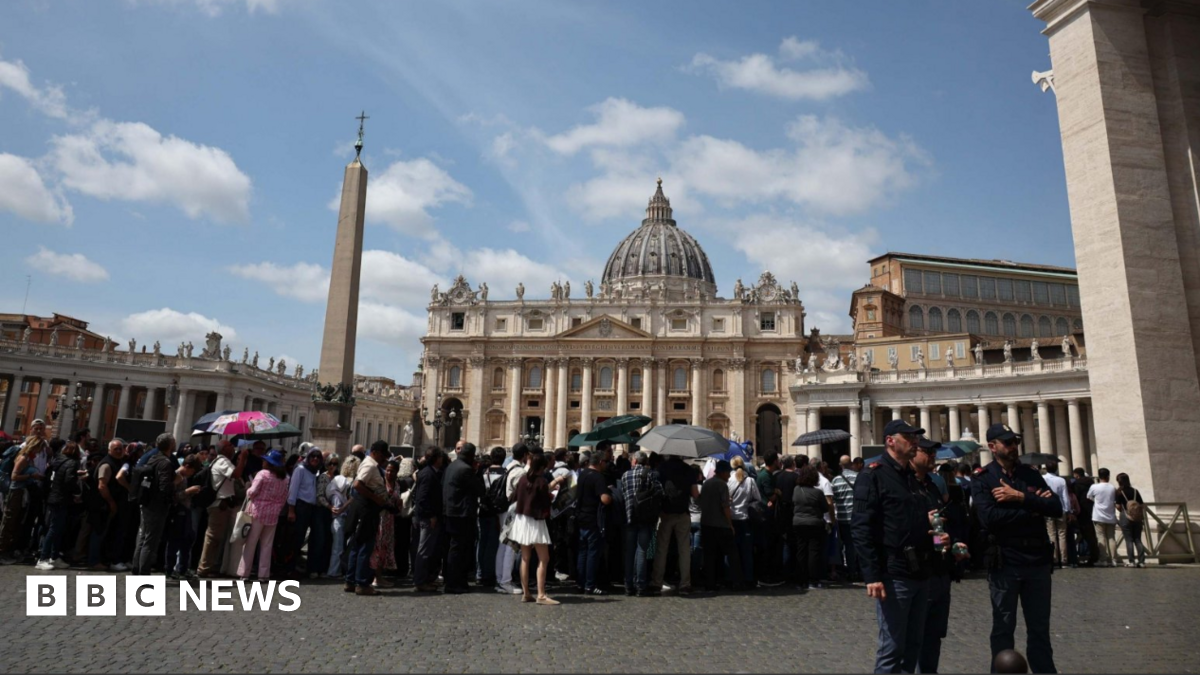
The death of Pope Francis has triggered a series of security enhancements within Vatican City, a response commensurate with the global outpouring of grief and respect for the departed pontiff. The scale of these measures reflects not only the immense crowds anticipated for the lying in state and funeral but also the pre-existing security protocols in place for the Jubilee, a Holy Year that attracts significant numbers of Catholic pilgrims. Sarah Rainsford, reporting from Vatican City, highlights the dual factors driving the heightened vigilance. The convergence of the Pope's passing and the Jubilee presents a unique security challenge, requiring a coordinated effort to manage the influx of mourners, religious devotees, and dignitaries from around the world. The implementation of police barricades and thorough checks on individuals entering St. Peter's Square underscores the seriousness with which authorities are addressing potential security threats. This proactive approach aims to ensure the safety and well-being of all those participating in the commemorative events and religious observances. The Vatican, as a city-state and the center of the Catholic Church, is accustomed to hosting large-scale ceremonial occasions. However, the death of a Pope is an event of exceptional magnitude, demanding a level of security planning that accounts for both the symbolic significance of the occasion and the potential for disruption. The preparations extend beyond the immediate period of mourning, encompassing the funeral service scheduled for Saturday. This event is expected to draw an even larger crowd, including heads of state, royalty, and representatives from various nations. The logistical complexities of accommodating such a diverse group of attendees necessitate meticulous planning and coordination among security agencies. The focus on security reflects a broader concern about protecting the Vatican's unique status as a religious and cultural heritage site. The influx of visitors creates opportunities for those seeking to exploit the situation for malicious purposes. Security measures are designed to deter potential attacks, prevent unauthorized access, and maintain order within the city-state. The presence of law enforcement personnel and the implementation of screening procedures serve as a visible deterrent, signaling the authorities' commitment to safeguarding the well-being of the public and preserving the sanctity of the Vatican. The security strategy takes into account the potential for both physical and cyber threats. The Vatican's infrastructure is vulnerable to cyberattacks, which could disrupt communications, compromise sensitive data, or interfere with essential services. Cybersecurity measures are in place to protect against these threats, ensuring the continuity of operations and the integrity of information systems. In addition to addressing immediate security concerns, the Vatican is also considering long-term security enhancements. The death of Pope Francis has prompted a reassessment of existing security protocols and the identification of areas for improvement. This process involves collaboration with international security experts to adopt best practices and implement cutting-edge technologies. The Vatican's commitment to security is unwavering, reflecting its responsibility to protect its citizens, its visitors, and its cultural heritage. The heightened security measures in place for the Pope's funeral and the Jubilee are a testament to this commitment, ensuring that these events can proceed safely and peacefully. The meticulous planning and coordination among security agencies demonstrate the Vatican's dedication to preserving its status as a beacon of faith and a center of cultural significance.
The enhanced security measures during the Pope's lying in state and the upcoming funeral are not simply a reaction to potential threats; they are also a reflection of the evolving security landscape globally. The rise of extremism and the increasing sophistication of terrorist tactics have forced religious institutions and governments alike to reassess their security protocols. The Vatican, as a prominent symbol of Christianity, is a potential target for extremist groups seeking to promote their ideologies through violence. The security measures in place are designed to mitigate this risk, deterring potential attacks and providing a robust response in the event of an incident. The collaboration between the Vatican and international security agencies is crucial in addressing these challenges. Sharing intelligence and expertise allows for a more comprehensive understanding of potential threats and the development of effective counter-measures. The Vatican's security personnel receive specialized training in areas such as counter-terrorism, crowd control, and emergency response. This training equips them with the skills and knowledge necessary to handle a wide range of security situations. The use of technology also plays a vital role in the Vatican's security strategy. Surveillance cameras, biometric scanners, and other advanced technologies are used to monitor activity, detect suspicious behavior, and control access to sensitive areas. These technologies provide an additional layer of security, enhancing the effectiveness of human security personnel. The Vatican's security measures are constantly evolving to adapt to the changing threat environment. New technologies and tactics are continuously evaluated and implemented to ensure that the Vatican remains a safe and secure place for pilgrims, visitors, and residents. The commitment to security is an ongoing process, requiring constant vigilance and adaptation. The Pope's funeral is not just a religious event; it is also a diplomatic event, attracting leaders and dignitaries from around the world. The security arrangements must take into account the specific needs of these individuals, providing adequate protection while minimizing disruption to the overall event. Close coordination between the Vatican's security personnel and the security details of visiting dignitaries is essential to ensure a seamless and secure experience. The Vatican's security measures are not intended to create an atmosphere of fear or intimidation. Rather, they are designed to provide a safe and welcoming environment for all those who come to the Vatican to worship, to learn, or to simply experience the beauty and history of this unique place. The goal is to balance security with accessibility, allowing visitors to fully enjoy their experience while ensuring their safety and well-being. The Vatican's commitment to security is an integral part of its mission to serve as a center of faith, culture, and dialogue. By providing a safe and secure environment, the Vatican can continue to fulfill its role as a beacon of hope and inspiration for people around the world.
Beyond the immediate security concerns surrounding the Pope's funeral and the Jubilee, the Vatican's security infrastructure also plays a critical role in protecting its vast collection of art and historical artifacts. The Vatican Museums, which house masterpieces by artists such as Michelangelo, Raphael, and Leonardo da Vinci, are a major tourist attraction and a valuable cultural asset. The security measures in place are designed to prevent theft, vandalism, and damage to these irreplaceable works of art. The museums are equipped with state-of-the-art security systems, including alarms, motion detectors, and surveillance cameras. Security personnel are stationed throughout the museums to monitor activity and respond to any incidents. The preservation of the Vatican's art and historical artifacts is a responsibility that the Vatican takes very seriously. These items are not only valuable in a monetary sense, but they are also an important part of human history and cultural heritage. The security measures in place are designed to ensure that these treasures are protected for future generations to enjoy. In addition to protecting its art and historical artifacts, the Vatican's security infrastructure also plays a role in protecting its archives. The Vatican Secret Archives contain a vast collection of historical documents, including papal bulls, letters, and other records dating back centuries. These documents are a valuable source of information about the history of the Catholic Church and the world. The archives are housed in a secure facility and access is strictly controlled. Only authorized researchers are allowed to access the documents, and they are subject to strict security protocols. The preservation of the Vatican's archives is essential to preserving the history of the Catholic Church and the world. The security measures in place are designed to ensure that these valuable documents are protected from theft, damage, and destruction. The Vatican's security infrastructure is not just about protecting its physical assets; it is also about protecting its values and its mission. The Vatican is a center of faith, culture, and dialogue, and it is committed to providing a safe and welcoming environment for all those who come to visit. The security measures in place are designed to ensure that the Vatican can continue to fulfill its role as a beacon of hope and inspiration for people around the world. The death of Pope Francis has highlighted the importance of the Vatican's security infrastructure. The security measures in place have allowed the Vatican to host a large-scale event while ensuring the safety and well-being of all those in attendance. The Vatican's commitment to security is unwavering, and it will continue to invest in its security infrastructure to ensure that it can protect its assets and fulfill its mission for many years to come. The increased security measures also symbolize the profound respect and solemnity surrounding the passing of a spiritual leader. It reflects the recognition of the historical significance and global impact of the papacy, and the need to ensure a dignified and secure environment for mourning and remembrance.
Furthermore, the security considerations extend to managing the media presence, as the Pope's funeral attracts extensive international coverage. Accrediting journalists, establishing media centers, and coordinating press briefings are essential aspects of ensuring transparency and facilitating accurate reporting. However, these activities also require security protocols to prevent unauthorized access and ensure the safety of journalists and the public. The Vatican's press office plays a crucial role in managing the flow of information and ensuring that the media has access to the necessary resources to cover the events effectively. The security measures are designed to strike a balance between transparency and security, allowing the media to fulfill its role while protecting the integrity of the event. The influx of tourists and pilgrims also presents challenges for transportation and logistics. Managing traffic flow, providing adequate parking facilities, and ensuring access to public transportation are essential to prevent congestion and ensure the smooth movement of people. Security personnel are deployed to monitor traffic and provide assistance to visitors. The Vatican works closely with local authorities to coordinate transportation and logistics, ensuring that the city can accommodate the large influx of people without disruption. The security measures also extend to the surrounding areas of Vatican City, including Rome. Law enforcement agencies increase patrols and implement additional security measures to prevent crime and ensure the safety of visitors. The collaboration between the Vatican and Italian authorities is crucial to ensuring the overall security of the event. The Vatican's security strategy is not static; it is constantly evolving to adapt to new threats and challenges. The Vatican regularly reviews its security protocols and implements new measures to enhance its preparedness. The commitment to continuous improvement is essential to maintaining a high level of security and ensuring the safety of all those who come to the Vatican. The Pope's funeral is a complex and multifaceted event that requires meticulous planning and coordination. The security measures in place are designed to address a wide range of potential threats and challenges, ensuring that the event can proceed safely and peacefully. The Vatican's commitment to security is unwavering, and it will continue to invest in its security infrastructure to protect its assets and fulfill its mission for many years to come. The legacy of Pope Francis will undoubtedly include the security measures implemented in his name, reflecting the evolving challenges of the modern world and the Vatican's commitment to safeguarding its spiritual and cultural heritage. The security apparatus serves as a silent testament to the importance of faith, peace, and the preservation of human dignity in the face of adversity.
Source: Pope Francis: More than 20,000 gather at the Vatican as mourners file past the open coffin