
 |
|
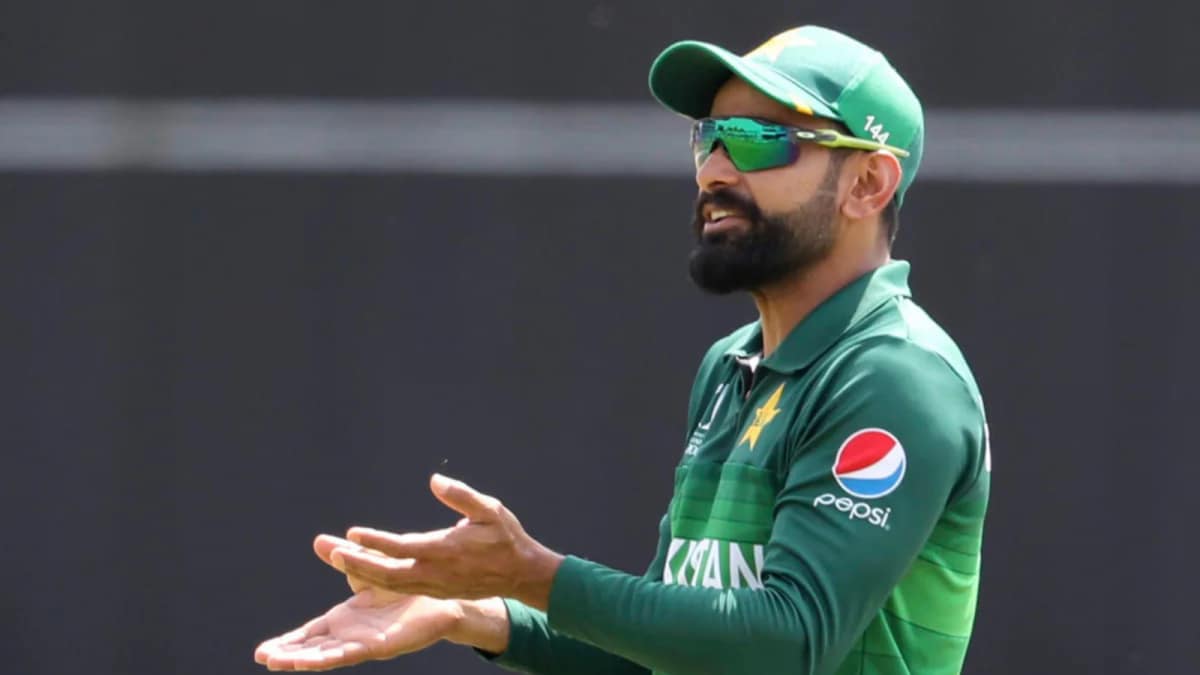
The recent terrorist attack in Pahalgam, Kashmir, which tragically resulted in the deaths of 26 Indian tourists, has reverberated across the subcontinent, eliciting strong reactions from various quarters. Among those who have expressed their sorrow and condemnation is former Pakistan cricket captain Mohammad Hafeez. His statement, while seemingly a simple expression of grief, carries significant weight, particularly given the complex and often fraught relationship between India and Pakistan. The attack, claimed by The Resistance Front (TRF), a proxy group affiliated with the Pakistan-based Lashkar-e-Taiba (LeT), further exacerbates existing tensions and casts a shadow over any prospects for improved bilateral relations, especially in the realm of sports. The fact that Hafeez, a prominent figure in Pakistani cricket, has publicly mourned the loss of Indian lives is noteworthy. It represents a rare instance of cross-border empathy in a climate often dominated by hostility and mistrust. However, it also highlights the deep-seated divisions and the enduring impact of terrorism on the relationship between the two nations. The attack itself was a brutal act of violence targeting innocent civilians. The choice of Pahalgam, a popular tourist destination often referred to as ‘mini Switzerland,’ suggests a deliberate attempt to disrupt normalcy and instill fear. The targeting of tourists from across India underscores the perpetrators' aim to sow discord and undermine the country's unity. The claim of responsibility by the TRF further implicates Pakistan, given the group's links to LeT. This connection raises serious questions about Pakistan's commitment to combating terrorism and its ability to control extremist elements operating within its borders. The historical context of India-Pakistan relations is crucial to understanding the significance of this incident. The two countries have a long and troubled history marked by conflict, suspicion, and unresolved disputes, most notably the Kashmir issue. The 2008 Mumbai terror attacks, which were also attributed to LeT, dealt a severe blow to bilateral relations, leading to a suspension of cricketing ties and other forms of engagement. Since then, relations have remained strained, with occasional attempts at dialogue often overshadowed by renewed tensions. The Pahalgam attack is likely to further entrench this cycle of mistrust and make it even more difficult to bridge the divide between the two nations. In the aftermath of the attack, the Indian cricket community has expressed its outrage and solidarity with the victims. The Board of Control for Cricket in India (BCCI) has announced measures to honor the deceased and demonstrate its condemnation of the violence. However, the broader implications for India-Pakistan cricket remain uncertain. While there have been calls for a resumption of bilateral cricket ties, particularly from fans on both sides of the border, the current climate makes it difficult to envision any significant progress in this regard. The BCCI's decision to avoid fireworks and cheerleaders for an upcoming IPL match, and the players wearing black armbands, is a symbolic gesture of mourning and protest. However, it is unlikely to have any tangible impact on the underlying issues that fuel the conflict. The statement by Danish Kaneria, another former Pakistani cricketer, adds another layer of complexity to the situation. Kaneria's assertion that terrorists consistently target Hindus, whether Kashmiri Pandits or Hindu tourists, reflects a prevailing narrative that accuses Pakistan of harboring anti-Hindu sentiments. While this narrative is contested by some, it resonates with a significant portion of the Indian population and contributes to the overall atmosphere of mistrust. The issue of terrorism has become deeply intertwined with the India-Pakistan relationship. Pakistan has long been accused of supporting and harboring terrorist groups that operate in India, particularly in Kashmir. While Pakistan denies these allegations, the evidence suggests otherwise. The international community has repeatedly called on Pakistan to take concrete action to dismantle terrorist infrastructure and prevent cross-border attacks. However, progress has been slow and uneven. The Pahalgam attack serves as a stark reminder of the ongoing threat posed by terrorism and the urgent need for effective counter-terrorism measures. It also underscores the importance of addressing the root causes of extremism, including poverty, inequality, and political marginalization. Ultimately, a lasting solution to the India-Pakistan conflict requires a comprehensive approach that addresses both the symptoms and the underlying causes of the problem. This includes fostering dialogue, promoting economic cooperation, and building trust between the two nations. However, as long as terrorism remains a persistent threat, progress will be difficult to achieve. The attack serves as a reminder of the fragility of peace and the need for sustained efforts to prevent future acts of violence. The cricketing community, while deeply saddened by the incident, remains a symbol of potential unity and cooperation between the two nations, but it is imperative that the players and boards act with due diligence to ensure that such a tragedy is not repeated. The role of sport can play in bridging divides, and it is essential to not underestimate its significance in the context of these relations. The cricketing arena must rise above such incidents and continue fostering camaraderie, understanding, and respect between players and fans from both sides. This can act as a powerful symbol of healing and progress, showing the world that despite political and social challenges, sports have the potential to bring people together. It is essential that the players from both countries are not held hostage by such actions but rather are given the space to foster friendship and goodwill. It is a time for cricket to showcase its true spirit, its ability to transcend boundaries and unite people regardless of their background or nationality. This unity can be a powerful tool to promote peace and understanding in a region that has long been plagued by conflict. It is crucial that the attack does not define the narrative of India-Pakistan relations but instead serves as a catalyst for dialogue, cooperation, and a renewed commitment to peace.
The response of the international community to the Pahalgam attack has been muted, reflecting a certain level of fatigue with the ongoing conflict between India and Pakistan. While many countries have condemned the attack and expressed their condolences to the victims, there has been little in the way of concrete action to address the underlying issues. This lack of engagement can be attributed to a number of factors, including the complex geopolitical landscape, the competing interests of major powers, and the perceived intractability of the conflict. However, it is important for the international community to remain engaged and to continue to press both India and Pakistan to resolve their differences peacefully. The international community can play a valuable role in facilitating dialogue, providing technical assistance, and monitoring human rights. It can also help to create a more conducive environment for peace by addressing the root causes of extremism and promoting economic development. The responsibility for resolving the India-Pakistan conflict ultimately rests with the two countries themselves. However, the international community can play a supportive role in encouraging dialogue, promoting cooperation, and ensuring that any settlement is just and sustainable. The Pahalgam attack serves as a reminder of the human cost of conflict and the urgent need for a peaceful resolution. It is a time for reflection, for dialogue, and for renewed efforts to build a better future for both India and Pakistan. The global community can offer help in ways such as providing humanitarian aid to families affected by the violence, offering support for rebuilding infrastructure in affected areas, and using diplomatic leverage to push both sides towards de-escalation. Furthermore, offering expertise in de-radicalization efforts, promoting cross-cultural exchange programs, and investing in education initiatives to foster a better understanding of the complex issues surrounding Kashmir can prove beneficial in the long run. In addition, international organizations like the United Nations can play a vital role in mediating talks between India and Pakistan, ensuring that both sides adhere to international law and human rights standards. By providing a platform for dialogue and conflict resolution, these organizations can help to create a pathway towards a peaceful and sustainable settlement. Moreover, the international community should be vigilant in monitoring the activities of terrorist groups operating in the region, disrupting their networks, and cutting off their sources of funding and support. By working together to combat terrorism, the international community can help to create a safer and more secure environment for all. The emphasis should also be laid on fostering stronger economic ties between India and Pakistan, as trade and investment can help to create jobs, reduce poverty, and build trust between the two nations. Encouraging joint ventures in various sectors, promoting cultural exchange programs, and facilitating people-to-people interactions can help to break down barriers and build bridges between the two communities. In this way, the international community can support the efforts of both India and Pakistan to build a more peaceful and prosperous future for their people. The support from the international community is not only essential for addressing the immediate aftermath of the attack but also for preventing future acts of violence and promoting long-term stability in the region. With coordinated and sustained efforts, the international community can help to create a more positive and peaceful future for both India and Pakistan.
The long-term implications of the Pahalgam attack are far-reaching and could potentially reshape the political landscape of the region. The attack is likely to further harden attitudes on both sides of the border, making it even more difficult to find common ground on contentious issues such as Kashmir. The attack will also likely fuel nationalist sentiments and create a climate of fear and suspicion. In the short term, the attack could lead to an increase in military activity along the Line of Control (LoC) and a further deterioration in bilateral relations. In the long term, the attack could contribute to the radicalization of youth and an increase in terrorist activity. The situation is particularly precarious in Kashmir, where the attack could spark renewed unrest and violence. The government's response to the attack will be crucial in determining the future course of events. A heavy-handed response could alienate the local population and further fuel resentment, while a conciliatory approach could help to calm tensions and pave the way for dialogue. The attack also has implications for the broader regional security environment. The attack could embolden other terrorist groups and lead to an increase in cross-border attacks. The attack could also complicate efforts to combat terrorism and extremism in the region. To mitigate the long-term implications of the Pahalgam attack, it is essential to address the underlying causes of the conflict and promote dialogue and reconciliation. This includes addressing the grievances of the Kashmiri people, promoting economic development, and fostering trust between India and Pakistan. It also requires a sustained effort to combat terrorism and extremism. The international community has a crucial role to play in supporting these efforts. The international community can provide financial assistance, technical expertise, and diplomatic support. The international community can also help to create a more conducive environment for peace by promoting dialogue, encouraging cooperation, and monitoring human rights. It is time for all parties to come together to address the long-term implications of the Pahalgam attack and to work towards a more peaceful and prosperous future for the region. Failure to do so will only prolong the suffering of the Kashmiri people and increase the risk of further violence. The path to peace is not easy, but it is the only way to ensure a brighter future for all. The attack serves as a reminder of the importance of dialogue, reconciliation, and sustained efforts to address the root causes of conflict. It is a time for all parties to come together to build a more peaceful and prosperous future for the region. Furthermore, promoting education, fostering cultural understanding, and creating opportunities for youth to engage in meaningful activities can help to counter extremist ideologies and promote a more inclusive and tolerant society. Addressing the economic disparities and providing access to education and employment can help to reduce the appeal of extremist groups and create a more positive outlook for the future. In addition, strengthening law enforcement and judicial systems to ensure accountability for those involved in terrorist activities is crucial for deterring future attacks and upholding the rule of law. Investing in community policing and engaging with local communities can help to build trust and improve cooperation in combating terrorism. The long-term solution lies in addressing the root causes of the conflict and creating a more just and equitable society for all. This requires a comprehensive approach that addresses the political, economic, and social dimensions of the conflict. It is a long and difficult process, but it is the only way to ensure a lasting peace.
Mohammad Hafeez's heartfelt reaction, despite coming from a Pakistani national, transcends nationalistic divides and serves as a poignant reminder of our shared humanity. His expression of sorrow for the victims of the Pahalgam terrorist attack in Kashmir highlights that compassion and empathy can prevail even amidst political tensions and historical grievances. It is noteworthy that a prominent figure like Hafeez has publicly acknowledged the tragedy and offered condolences, indicating that there are individuals on both sides of the border who are willing to look beyond national identities and acknowledge the pain and suffering caused by terrorism. This gesture can serve as a catalyst for promoting greater understanding and empathy between the people of India and Pakistan. While Hafeez's reaction is commendable, it is crucial to recognize that there are diverse perspectives and opinions on both sides of the border regarding the Kashmir conflict and the broader India-Pakistan relationship. It is important to avoid generalizations and stereotypes and to acknowledge that individuals from both countries have varying beliefs and experiences. Building a more peaceful and harmonious relationship requires open dialogue, mutual respect, and a willingness to address the grievances and concerns of all parties involved. Hafeez's reaction is just one piece of a larger puzzle, and it is essential to consider the broader context and complexities of the India-Pakistan relationship when interpreting its significance. However, his act of compassion can contribute to fostering a more positive and constructive dialogue between the people of both nations. It highlights the importance of empathy and understanding in overcoming political differences and building bridges across divides. It is hoped that Hafeez's example will inspire others to speak out against violence and to promote peace and reconciliation between India and Pakistan. It is time for both nations to move beyond the cycle of hostility and to build a future based on mutual respect, cooperation, and shared prosperity. This requires a concerted effort to address the root causes of the conflict, to promote dialogue and reconciliation, and to build trust between the people of both nations. It is a long and difficult process, but it is the only way to ensure a lasting peace and a brighter future for all. Hafeez's gesture can serve as a starting point for a more constructive and positive dialogue between India and Pakistan, but it is essential to recognize the broader context and complexities of the relationship to ensure that his act of compassion translates into meaningful progress towards peace and reconciliation.
Source: Ex-Pakistan Captain Mohammad Hafeez Reacts To Pahalgam Terrorist Attack