
 |
|
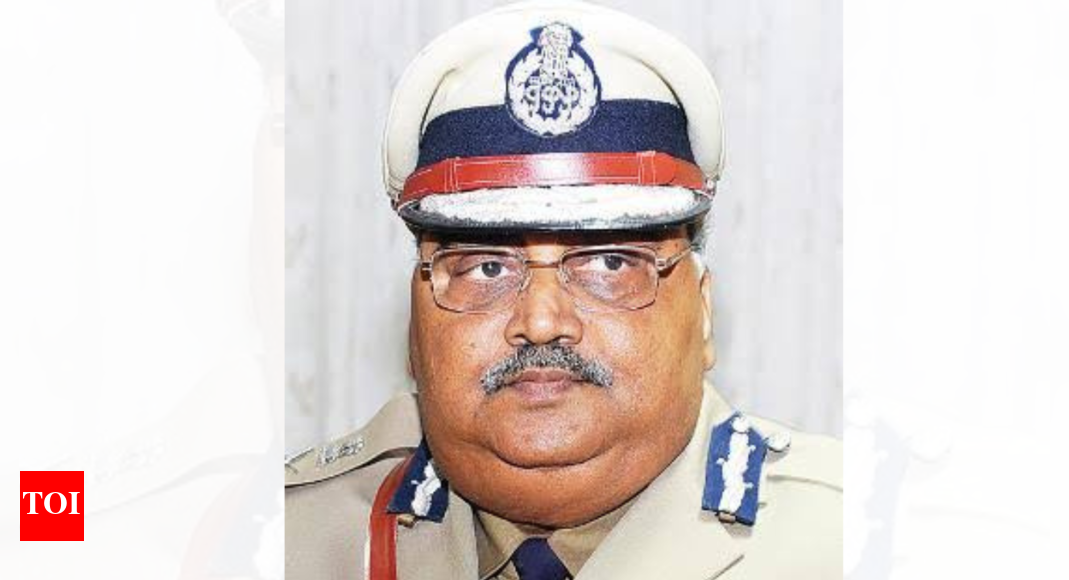
The sudden death of former Karnataka Director General of Police (DGP) Om Prakash has sent shockwaves through the law enforcement community and the state as a whole. Prakash, a respected figure in the Indian Police Service (IPS), was found dead at his residence in Bengaluru on Sunday, prompting an immediate investigation by local authorities. The initial reports and police statements suggest a complex scenario, with investigators focusing on the potential involvement of a close family member in the tragic event. This adds a layer of intrigue and sensitivity to the case, as the investigation delves into the personal life of a man who dedicated his career to upholding the law. The circumstances surrounding his death are currently unclear, but the police are treating it as a suspected murder, leaving no stone unturned in their pursuit of the truth. The news has sparked widespread speculation and concern, with many questioning the events that led to the untimely demise of the former top cop. Om Prakash's career in the IPS spanned several decades, during which he held various key positions and earned a reputation for his integrity and professionalism. His tenure as the DGP of Karnataka was marked by significant initiatives aimed at improving law and order, enhancing police efficiency, and fostering a more citizen-friendly approach to policing. He was known for his commitment to upholding the rule of law and his dedication to public service. The investigation into his death will undoubtedly be thorough and comprehensive, with the police employing all available resources to unravel the mystery and bring those responsible to justice. The case is likely to attract significant media attention, given the high profile of the deceased and the sensitive nature of the circumstances. The police will need to carefully manage the flow of information to the public, ensuring that the investigation is not compromised and that the privacy of the family is respected. The coming days will be crucial as investigators gather evidence, interview witnesses, and piece together the events that transpired leading up to Om Prakash's death. The investigation will likely involve forensic analysis, examination of CCTV footage, and detailed interviews with family members, colleagues, and acquaintances. The police will also need to consider any potential motives and explore all possible angles to determine the true cause of death. The outcome of the investigation will have significant implications for the justice system and the public's trust in law enforcement. A swift and transparent resolution to the case is essential to ensure that justice is served and that the truth is revealed. The legacy of Om Prakash as a dedicated and respected police officer will undoubtedly be remembered by those who served alongside him and the people of Karnataka. His death is a loss to the law enforcement community and a reminder of the challenges and sacrifices faced by those who dedicate their lives to protecting and serving the public.
Om Prakash's background and career provide further context to his significant role in Karnataka's law enforcement. Born in Champaran, Bihar, in 1955, Prakash was a highly educated individual, holding an MSc in Geology. This academic background, combined with his rigorous training as an IPS officer, equipped him with a unique perspective and skillset that he brought to his work. His appointment as the Director General of Police on March 1, 2015, marked the pinnacle of his career. During his time as DGP, Prakash focused on modernizing the police force, implementing new technologies, and improving the overall effectiveness of law enforcement operations. He was a strong advocate for community policing, believing that building trust and cooperation between the police and the public was essential for maintaining law and order. He also emphasized the importance of ethical conduct and accountability within the police force, setting a high standard for his officers to follow. Prakash's leadership style was characterized by his calm demeanor, his ability to listen to diverse perspectives, and his commitment to making informed decisions based on evidence and analysis. He was respected by his colleagues for his integrity, his professionalism, and his unwavering dedication to his duty. His contributions to law enforcement in Karnataka were widely recognized, and he left a lasting impact on the state's police force. The investigation into his death will not only focus on the immediate circumstances surrounding the incident but will also consider any potential connections to his past work and any possible enemies he may have made during his career. The police will need to meticulously examine his personal and professional life to uncover any clues that could shed light on the motive behind his death. The investigation will be a complex and challenging undertaking, requiring the expertise of seasoned detectives and the use of advanced forensic techniques. The police will also need to cooperate with other law enforcement agencies, both within and outside the state, to gather all relevant information and ensure that no stone is left unturned. The public's interest in the case is high, and there is a strong demand for transparency and accountability. The police will need to carefully balance the need to protect the integrity of the investigation with the need to keep the public informed of its progress. A successful investigation will not only bring those responsible for Om Prakash's death to justice but will also help to restore public confidence in the police and the justice system. The legacy of Om Prakash as a dedicated public servant and a respected police officer will continue to inspire future generations of law enforcement professionals.
The involvement of a close family member, as suspected by the police, adds a particularly disturbing dimension to the case. If confirmed, it would suggest a deeply personal and potentially volatile motive behind the murder. This would require investigators to navigate the complexities of family dynamics, personal relationships, and any existing conflicts or tensions within the family. The police will need to conduct sensitive and thorough interviews with family members, gathering information about their relationships with Om Prakash, their whereabouts at the time of his death, and any potential motives they may have had. The investigation will also need to consider the possibility of financial disputes, inheritance issues, or other personal grievances that could have contributed to the tragic event. The involvement of a family member would also raise ethical and legal considerations for the police, as they would need to balance the need to investigate the crime with the need to protect the privacy and rights of the individuals involved. The police will need to ensure that all interviews are conducted fairly and impartially, and that all evidence is gathered in accordance with legal procedures. The investigation will also need to consider the potential impact on the family, as they will be dealing with the loss of a loved one while also facing the scrutiny of the police and the media. The police will need to provide support and assistance to the family during this difficult time, while also ensuring that the investigation is not compromised. The case of Om Prakash's death is a stark reminder of the complexities and challenges faced by law enforcement officers in their pursuit of justice. It highlights the importance of thorough investigation, meticulous evidence gathering, and a commitment to uncovering the truth, regardless of the circumstances. The outcome of the investigation will have a profound impact on the lives of those involved and will serve as a test of the justice system's ability to hold those responsible accountable for their actions. The memory of Om Prakash as a dedicated public servant and a respected police officer will endure, and his legacy will continue to inspire future generations of law enforcement professionals. The investigation into his death is a critical step in ensuring that justice is served and that the truth is revealed, providing closure for his family and restoring public confidence in the justice system. The complexities surrounding this case underscore the unpredictable nature of crime and the unwavering dedication required of those sworn to protect and serve. The coming months will be pivotal as the truth unfolds, shaping perceptions and reinforcing the importance of a fair and impartial legal process. The pursuit of justice for Om Prakash remains paramount.
The investigation into the death of Om Prakash underscores the vital role of forensic science in modern criminal investigations. His body was immediately sent for autopsy to determine the exact cause and manner of death. The autopsy, conducted by experienced forensic pathologists, will involve a thorough examination of the body to identify any injuries, internal damage, or other signs of foul play. Samples of blood, tissue, and other bodily fluids will be collected and analyzed to detect the presence of drugs, alcohol, or other toxins. The forensic findings will be crucial in determining whether Om Prakash died of natural causes, suicide, or homicide. If the autopsy reveals evidence of foul play, the forensic team will work closely with the police investigators to reconstruct the events that led to his death. This may involve analyzing blood spatter patterns, examining crime scene photographs, and conducting ballistics tests if a firearm was involved. The forensic evidence will be used to identify potential suspects, establish timelines, and build a strong case against those responsible for the crime. The forensic process is meticulous and time-consuming, requiring specialized equipment and highly trained personnel. However, it is an essential component of any criminal investigation, providing objective evidence that can be used to support or refute witness statements, challenge alibis, and ultimately lead to the conviction of the guilty. In the case of Om Prakash's death, the forensic evidence will be particularly important, given the suspicions surrounding the involvement of a close family member. The forensic findings will need to be carefully analyzed and interpreted to determine whether there is sufficient evidence to support the allegations of foul play. The investigation will also need to consider the possibility of alternative explanations for the forensic evidence, such as accidental injury or medical conditions that could have contributed to his death. The forensic team will work closely with other experts, such as toxicologists, DNA analysts, and crime scene reconstruction specialists, to ensure that all possible avenues of investigation are explored. The ultimate goal of the forensic investigation is to provide a clear and objective account of the events that led to Om Prakash's death, helping to bring those responsible to justice and providing closure for his family. The integrity and reliability of the forensic evidence are paramount, and the forensic team will adhere to strict protocols and quality control measures to ensure that the findings are accurate and unbiased. The use of advanced technologies, such as DNA analysis and digital forensics, will play a crucial role in the investigation, helping to uncover hidden clues and connect the dots in this complex and sensitive case. The commitment to scientific rigor and the pursuit of truth will be essential in ensuring that justice is served in the death of Om Prakash.
Beyond the immediate investigation, the death of Om Prakash raises broader questions about the safety and security of former law enforcement officials. Individuals who have served in high-profile positions, such as Director General of Police, may be at increased risk of becoming targets of violence or intimidation, particularly if they have been involved in sensitive cases or have made enemies during their careers. Law enforcement agencies need to have protocols in place to assess the potential risks faced by former officials and to provide them with appropriate security measures, such as personal protection, home security systems, and threat assessments. These measures may be particularly important for officials who have retired recently or who have been involved in controversial cases. In addition, law enforcement agencies need to be vigilant in investigating any threats or attacks against former officials, ensuring that those responsible are brought to justice. The safety and security of former law enforcement officials is not only a matter of individual concern but also a matter of public interest. When former officials are threatened or attacked, it can send a chilling message to current officers and undermine the public's confidence in law enforcement. It is essential that law enforcement agencies take all necessary steps to protect former officials and to send a clear message that violence and intimidation against them will not be tolerated. The investigation into the death of Om Prakash will undoubtedly examine whether any security protocols were in place and whether they were adequate to protect him from potential threats. The findings of this review could lead to recommendations for improving security measures for former law enforcement officials and ensuring that they are adequately protected from harm. The death of Om Prakash serves as a reminder of the sacrifices made by those who dedicate their lives to law enforcement and the risks they face, even after they have retired from active duty. It is our collective responsibility to ensure that they are protected and that their service is honored and respected. The lessons learned from this tragic event will help to strengthen security protocols and to prevent future acts of violence against former law enforcement officials, ensuring that they can live out their lives in safety and peace. The commitment to their well-being is a reflection of our commitment to justice and our appreciation for the invaluable contributions they have made to our society. Their safety is not merely a privilege but a right, earned through years of dedicated service and unwavering commitment to protecting the public.
The media's role in covering the death of Om Prakash is also critical. Responsible reporting is essential to inform the public accurately while avoiding sensationalism or speculation that could compromise the investigation or prejudice public opinion. News outlets should rely on verified information from official sources and avoid spreading unconfirmed rumors or allegations. The media should also be sensitive to the privacy of the family and avoid intrusive or insensitive reporting that could exacerbate their grief. In addition, the media should provide context and background information about Om Prakash's career and contributions to law enforcement, helping the public to understand his significance and the impact of his death. The media should also explore the broader issues raised by the case, such as the safety and security of former law enforcement officials and the challenges faced by the police in investigating sensitive cases involving high-profile individuals. The media's role is not only to report the news but also to provide analysis and commentary that helps the public to understand the complexities of the issues involved. The media should also hold law enforcement agencies accountable for their actions and ensure that the investigation is conducted fairly and transparently. The media's coverage of the death of Om Prakash will shape public perception of the case and influence the course of justice. Responsible reporting that is accurate, balanced, and sensitive will contribute to a fair and informed public discourse. Sensationalism and speculation, on the other hand, could undermine the investigation and erode public trust in the media and the justice system. The media has a responsibility to uphold the highest standards of journalistic ethics and to serve the public interest by providing accurate and reliable information. The legacy of Om Prakash and the pursuit of justice in his death depend, in part, on the responsible and ethical coverage of the case by the media. Their role is pivotal in ensuring that the truth is revealed and that justice is served, fostering a more informed and engaged citizenry. The delicate balance between informing the public and protecting the integrity of the investigation requires careful consideration and a commitment to journalistic principles.
Finally, it is important to remember that Om Prakash was not just a former DGP; he was also a person with a family, friends, and loved ones who are grieving his loss. The investigation into his death should be conducted with sensitivity and respect for their feelings. The police should provide regular updates to the family and keep them informed of the progress of the investigation. The family should also be given the opportunity to share their memories and tributes to Om Prakash, allowing them to honor his life and legacy. The outpouring of grief and condolences from colleagues, friends, and members of the public is a testament to the respect and affection that Om Prakash inspired. His death is a loss to the law enforcement community and to the state of Karnataka. His contributions to law and order and his commitment to public service will be remembered and appreciated. The investigation into his death is a solemn duty that must be carried out with diligence, integrity, and compassion. The pursuit of justice is not just about finding the guilty; it is also about honoring the memory of the victim and providing closure for their loved ones. In the case of Om Prakash, the pursuit of justice will also serve as a reaffirmation of the values that he stood for: integrity, honesty, and a commitment to upholding the rule of law. His legacy will continue to inspire future generations of law enforcement professionals and to remind us of the importance of public service. The investigation into his death is a critical step in ensuring that his legacy is honored and that justice is served, providing comfort and solace to those who are grieving his loss. The collective effort to uncover the truth and hold those responsible accountable will serve as a tribute to his life and a testament to the enduring power of justice.
The death of Om Prakash serves as a poignant reminder of the vulnerability that can accompany even the most distinguished careers. His years of service within the Indian Police Service (IPS) positioned him as a protector of the public, yet he himself ultimately fell victim to circumstances that remain shrouded in mystery. The ongoing investigation into his death highlights the complexities inherent in such cases, particularly when initial findings suggest the potential involvement of individuals within his inner circle. This adds layers of intrigue and sensitivity, demanding a delicate balance between thorough investigation and the protection of personal privacy. As the police meticulously gather evidence and pursue leads, the broader community reflects on the significance of this loss. Om Prakash was not merely a figurehead of law enforcement; he was a leader who implemented policies aimed at modernizing the police force and fostering stronger relationships with the communities they served. His commitment to ethical conduct and accountability set a high standard for his colleagues, leaving an indelible mark on the landscape of policing in Karnataka. The investigation, therefore, carries the weight of public expectation, demanding transparency and a relentless pursuit of truth. The need to uncover the motives and circumstances surrounding his death is paramount, not only to bring justice to those responsible but also to restore public confidence in the integrity of the legal process. As the investigation unfolds, the media plays a crucial role in disseminating information while maintaining a responsible and ethical approach. Avoiding sensationalism and speculation is essential to prevent the spread of misinformation and to ensure that the public remains informed by facts rather than conjecture. The balance between informing the public and protecting the integrity of the investigation is delicate, requiring careful consideration and adherence to journalistic principles. Ultimately, the death of Om Prakash is a tragedy that resonates deeply within the law enforcement community and the broader public. His legacy as a dedicated public servant and a respected leader will endure, even as the circumstances surrounding his death continue to be investigated. The pursuit of justice in this case is not only a legal imperative but also a testament to the values he upheld throughout his career: integrity, honesty, and a commitment to serving the public good. The collective effort to uncover the truth and hold those responsible accountable will serve as a fitting tribute to his life and a reaffirmation of the enduring power of justice.
Source: Karnataka ex-police chief Om Prakash found dead at his home in Bengaluru