
 |
|
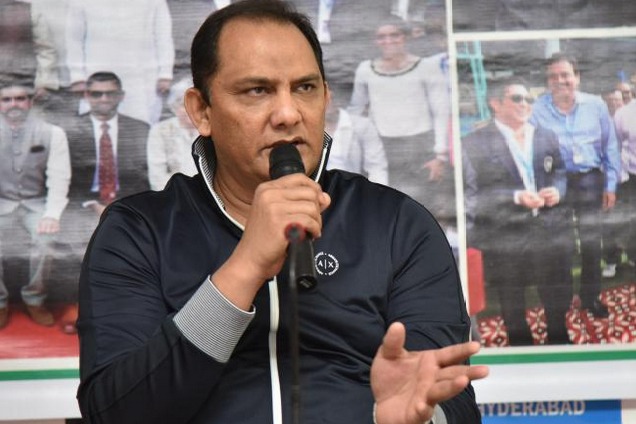
The controversy surrounding the renaming of the North Stand at the Rajiv Gandhi International Cricket Stadium in Uppal, Hyderabad, has escalated following a directive from the Hyderabad Cricket Association (HCA) Ombudsman to remove Mohammad Azharuddin's name. This decision has ignited a firestorm of debate within cricketing circles and beyond, raising questions about legacy, administrative fairness, and the treatment of former sporting heroes. Azharuddin, a celebrated figure in Indian cricket, has expressed profound disappointment and anger, vowing to challenge the directive legally, setting the stage for a potentially protracted legal battle. The core of the issue lies in the perceived conflict of interest cited by Justice Eshwarayya, the HCA Ombudsman, who argued that naming the stand after Azharuddin during his tenure as HCA president was inappropriate. This argument, however, has been met with strong resistance from Azharuddin, who maintains that the decision was made without any personal benefit or ulterior motives. The situation is further complicated by the history of the North Stand, which was previously named after another Indian cricketing legend, V.V.S. Laxman, until 2019. The subsequent renaming to honor Azharuddin sparked controversy then, and the current directive has only served to reignite those tensions. This incident also underscores broader concerns about the governance and administration of cricket in Hyderabad, particularly the HCA, which has faced scrutiny in recent times over various issues, including the sale of IPL tickets. The removal of Azharuddin's name is not merely a symbolic gesture; it represents a deeper conflict within the HCA and reflects the complex dynamics of power, politics, and personal relationships that often permeate sporting organizations. The decision raises fundamental questions about how sporting bodies should honor their past players and how potential conflicts of interest should be managed in a fair and transparent manner. Azharuddin's reaction, characterized by disappointment and a determination to fight for what he believes is right, resonates with many who feel that he has been unfairly treated. His illustrious career, spanning 17 years and including a decade as captain of the Indian team, has earned him a place in the hearts of millions of cricket fans. The suggestion that he is being disrespected in this manner has provoked outrage and calls for a more nuanced and respectful approach. The impending legal challenge promises to be a closely watched affair, with significant implications for the future of cricket administration in Hyderabad and beyond. The High Court's decision will not only determine the fate of the North Stand but also set a precedent for how similar situations are handled in the future. The case also highlights the importance of transparency and accountability in sporting organizations and the need for clear guidelines on conflict of interest. Ultimately, the controversy surrounding the renaming of the North Stand is a reminder of the complex and often contentious nature of sports governance. It underscores the need for all stakeholders – players, administrators, and fans – to work together to ensure that the sport is governed fairly, transparently, and with respect for its history and traditions.
The removal of Mohammad Azharuddin's name from the North Stand at the Rajiv Gandhi International Cricket Stadium is not simply a matter of administrative procedure; it's a deeply personal issue that strikes at the heart of his legacy and his contribution to Indian cricket. To fully understand the gravity of this situation, one must delve into Azharuddin's career and his significance to the sport. He wasn't just a cricketer; he was an icon, a symbol of elegance and grace on the field. His wristy flicks and stylish batting made him a crowd favorite, and his leadership skills led the Indian team through some of its most memorable moments. His tenure as captain was marked by both triumphs and controversies, but his commitment to the game was never in doubt. He led with passion and a steely resolve, inspiring his teammates and captivating fans across the country. To now see his name being removed from a stand named in his honor feels like a betrayal of that legacy, a denial of his contribution to the sport. The HCA's decision, while ostensibly based on conflict of interest concerns, feels like a personal attack, a deliberate attempt to undermine his reputation. Azharuddin's reaction is understandable; he feels hurt, betrayed, and disrespected. He believes that he has been unfairly targeted, and that his achievements have been diminished by this decision. The suggestion that naming the stand after him was somehow inappropriate or unethical is particularly galling, given his long and distinguished service to the game. He insists that there was no element of conspiracy or personal benefit involved, and that the decision was made in good faith, to honor his contribution to Hyderabad cricket. The fact that the stand was previously named after V.V.S. Laxman adds another layer of complexity to the situation. While Laxman is undoubtedly another cricketing legend, the decision to rename the stand after Azharuddin was seen by many as a fitting tribute to his own achievements. To now revert back to the previous name would be seen as a further slight to Azharuddin, a confirmation that he is no longer valued or appreciated by the HCA. The legal challenge that Azharuddin is planning to launch is not just about restoring his name to the stand; it's about defending his reputation and his legacy. It's about standing up for what he believes is right, and refusing to be silenced by those who seek to undermine him. The outcome of this legal battle will have far-reaching implications for the way that sporting heroes are treated in India, and for the power of sporting bodies to rewrite history and erase legacies. The fight for the North Stand is a fight for more than just a name; it's a fight for respect, for recognition, and for the right to be remembered for one's contributions to the game.
The implications of this controversy extend far beyond the immediate dispute over the naming of a stand. It sheds light on the often murky world of sports administration in India, where power struggles, personal rivalries, and allegations of corruption are all too common. The HCA, like many other sporting bodies in the country, has been plagued by infighting and accusations of mismanagement. The recent scrutiny over the sale of IPL tickets is just one example of the problems that have beset the organization. The decision to remove Azharuddin's name from the stand is likely a symptom of these deeper issues, a manifestation of the power struggles that are playing out behind the scenes. The conflict of interest argument, while seemingly valid on the surface, may be a smokescreen for other, more personal motives. It's possible that Azharuddin has made enemies within the HCA, and that this decision is a way of settling scores. It's also possible that there are other individuals who covet the recognition that comes with having a stand named after them, and that they have been working to undermine Azharuddin's position. Whatever the underlying reasons, the controversy has exposed the vulnerability of sporting legends in the face of administrative decisions. It highlights the fact that even the most celebrated figures can be stripped of their honors and their legacy at the whim of those in power. This raises serious questions about the fairness and transparency of sports governance in India, and the need for greater accountability and oversight. The Azharuddin case should serve as a wake-up call for all stakeholders in Indian sport. It's time to address the systemic problems that plague sporting organizations, and to create a system that is based on merit, fairness, and respect for the contributions of all athletes. This means strengthening governance structures, promoting transparency, and ensuring that decisions are made in the best interests of the sport, not the personal interests of a few individuals. It also means creating a culture of respect for sporting legends, and ensuring that their achievements are recognized and celebrated in a way that is both meaningful and lasting. The fight for the North Stand is a fight for the future of Indian sport, a fight for a system that is based on integrity, fairness, and respect for all. It's a fight that Azharuddin is willing to take on, and it's a fight that all those who care about the future of Indian sport should support.
Furthermore, the media's role in shaping public perception of the Azharuddin-HCA controversy cannot be understated. The intense media scrutiny surrounding this issue has amplified the voices of both Azharuddin and the HCA Ombudsman, creating a polarized narrative that often overlooks the nuances of the situation. Every statement, legal maneuver, and public appearance is meticulously dissected and analyzed, contributing to a highly charged atmosphere. The media coverage has not only fueled public debate but has also put immense pressure on the High Court to deliver a fair and just verdict. While a thorough investigation is essential, the sensationalism often associated with media reporting can sometimes obscure the facts and complicate the legal proceedings. It's crucial for the media to maintain objectivity and report accurately to ensure that the public is well-informed and that the court can make an impartial decision based on the evidence presented. Additionally, the use of social media platforms has further intensified the debate, allowing individuals to express their opinions and show their support for either Azharuddin or the HCA. This digital landscape has become a battleground for public sentiment, with hashtags trending and online campaigns gaining momentum. The anonymity afforded by social media can sometimes lead to the spread of misinformation and the escalation of tensions, making it challenging to foster constructive dialogue. It's imperative that social media users exercise caution and critically evaluate the information they encounter online, recognizing that not all sources are reliable or unbiased. In addition to the media's role, the impact of political factors on the Azharuddin-HCA controversy should not be disregarded. The HCA, like many sporting organizations in India, is often influenced by political dynamics, with politicians holding key positions and exerting considerable influence over decision-making processes. The timing of the Ombudsman's directive, as well as the reactions of various political figures, may be indicative of underlying political motivations. Understanding the intricate web of political relationships and alliances within the HCA and the broader cricketing landscape is crucial for comprehending the full scope of the controversy. It's possible that political considerations have played a significant role in shaping the events leading up to the current dispute, and that Azharuddin's political affiliations (or lack thereof) have influenced the decisions made by the HCA. Therefore, a thorough examination of the political context surrounding this issue is essential for arriving at a comprehensive understanding of the situation.
To provide a balanced perspective, it's essential to consider the HCA's justification for removing Azharuddin's name from the North Stand. The conflict of interest argument, as presented by the HCA Ombudsman, centers on the principle that individuals holding positions of authority should not benefit from decisions made during their tenure. In this case, the argument is that Azharuddin, as the former president of the HCA, should not have had a stand named after him during his presidency, as this could be perceived as self-promotion or favoritism. This argument aligns with established principles of corporate governance and ethical conduct, which aim to prevent individuals from abusing their power for personal gain. However, Azharuddin's supporters argue that the decision to name the stand after him was not a unilateral one, but rather a collective decision made by the HCA's governing body. They contend that the decision was based on Azharuddin's exceptional contribution to cricket in Hyderabad and his distinguished career as a player and captain. They also point out that the stand had previously been named after V.V.S. Laxman, another prominent cricketer from Hyderabad, suggesting that the decision to honor Azharuddin was in line with established practice. Furthermore, Azharuddin's supporters argue that the conflict of interest argument is being selectively applied, as there are other instances of individuals being honored or rewarded during their tenure in positions of authority. They claim that the HCA is unfairly targeting Azharuddin due to personal animosity or political motivations. To resolve this dispute fairly and impartially, it's necessary to conduct a thorough investigation into the decision-making process that led to the naming of the stand. This investigation should examine all relevant documents, interview key individuals, and consider the historical context in which the decision was made. It should also assess the extent to which Azharuddin was involved in the decision-making process and whether he exerted undue influence over the other members of the HCA's governing body. The investigation should be conducted by an independent and impartial body, such as a retired judge or a panel of experts in sports governance. The findings of the investigation should be made public to ensure transparency and accountability. Ultimately, the decision on whether to restore Azharuddin's name to the North Stand should be based on the evidence presented and the principles of fairness, transparency, and respect for the contributions of all athletes.
Moving beyond the immediate legal and administrative aspects, the controversy surrounding the North Stand renaming provides an opportunity to reflect on the broader significance of honoring sporting legends and preserving their legacy. Naming a stadium, stand, or other sports facility after a prominent athlete is a way of recognizing their exceptional achievements and inspiring future generations. It serves as a reminder of their dedication, hard work, and contributions to the sport. However, the decision to honor a particular athlete should be carefully considered and based on objective criteria, such as their on-field performance, their contribution to the community, and their ethical conduct. The process should be transparent and involve input from various stakeholders, including fans, fellow athletes, and sports historians. Once a decision has been made to honor an athlete, it's important to ensure that their legacy is preserved and that their name is not tarnished by subsequent events or controversies. This requires careful management of their public image and a commitment to upholding the values and principles that they represent. In the case of Azharuddin, his legacy has been complicated by allegations of match-fixing, which led to a ban from cricket in 2000. While the ban was later overturned by the Andhra Pradesh High Court, the allegations continue to cast a shadow over his career. The HCA may have considered these allegations when making the decision to remove his name from the North Stand. However, it's important to remember that Azharuddin was never convicted of match-fixing, and that he has consistently maintained his innocence. The fact that the High Court overturned the ban suggests that there was insufficient evidence to support the allegations. Furthermore, Azharuddin has made significant contributions to cricket in Hyderabad since his retirement, including serving as the president of the HCA. He has also worked to promote cricket at the grassroots level and to support young and aspiring cricketers. These contributions should be taken into account when evaluating his legacy and deciding whether he deserves to be honored. Ultimately, the decision on whether to honor a particular athlete is a complex and nuanced one that requires careful consideration of all relevant factors. There is no easy answer, and there is always a risk that the decision will be controversial. However, by following a transparent and objective process and by upholding the principles of fairness and respect, sporting organizations can ensure that the legacies of their athletes are honored in a way that is both meaningful and lasting.
Source: Azharuddin Calls Removal of His Name from Uppal Stand Disrespectful