
 |
|
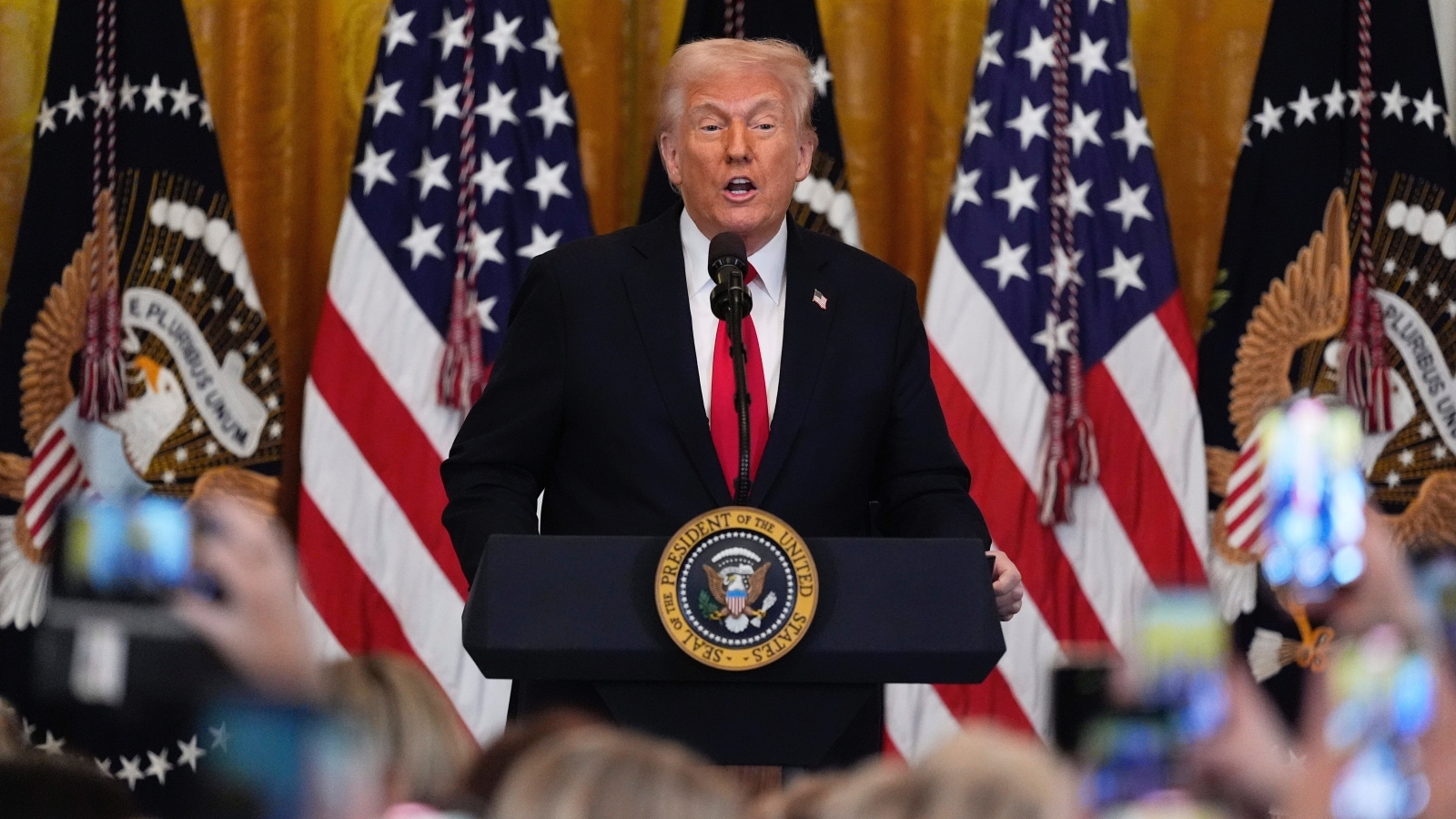
The imposition of 25% tariffs by the United States on automobiles and auto parts, announced by then-President Donald Trump, has cast a significant shadow of uncertainty over India's robust $7 billion auto component export sector. This development carries far-reaching implications for the future growth potential of Indian automotive exports in the crucial North American market. The tariffs, justified by the White House on the grounds of national security concerns, are scheduled to take effect in stages, commencing with automobiles on April 3 and auto parts no later than May 3, 2025, unless explicitly reduced, modified, or terminated. This timeline adds another layer of complexity for Indian exporters striving to adapt to the evolving trade landscape. The potential consequences for the Indian auto component industry are significant, particularly given that this sector represents a substantial portion of India's presence in the rapidly expanding US market. Industry experts have expressed concerns that any selective relaxation of these tariffs could have an adverse impact on Indian exports, creating an uneven playing field and potentially undermining the competitiveness of Indian auto component manufacturers. The timing of these tariffs coincides with a period of steady growth for Indian auto component exports, driven primarily by robust demand from key markets such as North America and Europe. According to the Automotive Component Manufacturers Association of India (ACMA), North America and Europe each accounted for approximately 32% of India's auto component exports in the fiscal year 2024. The fresh tariffs pose a direct challenge to this positive trajectory, potentially disrupting established supply chains and affecting the profitability of Indian companies operating in the US market. The impact of the tariffs could extend beyond direct financial losses. They also create uncertainty and complexity for businesses operating in the global automotive industry, forcing companies to reassess their strategies and make difficult decisions regarding investment and expansion plans. The potential for selective relaxations further exacerbates these concerns, as it introduces the risk of favoritism and creates an unlevel playing field for different manufacturers. The fear is that some companies may be able to negotiate exemptions or preferential treatment, while others are forced to bear the full brunt of the tariffs. This would not only be unfair but could also distort market dynamics and undermine the principles of free and fair trade. The significance of the North American market to the Indian auto component industry cannot be overstated. The US is one of the largest automotive markets in the world, and Indian companies have invested heavily in establishing a presence there. The tariffs threaten to disrupt this hard-won progress and force companies to reconsider their long-term strategies. The potential consequences of these tariffs extend beyond the immediate impact on Indian auto component exports. They also raise broader questions about the future of global trade and the role of protectionism in shaping international economic relations. The imposition of tariffs can trigger retaliatory measures from other countries, leading to trade wars that harm all parties involved. It is essential that countries work together to resolve trade disputes through dialogue and negotiation, rather than resorting to protectionist measures that can have devastating consequences for the global economy. The situation underscores the vulnerability of global supply chains to geopolitical tensions and policy shifts. Companies are increasingly recognizing the need to diversify their supply chains and reduce their reliance on single markets. This diversification can help to mitigate the risks associated with trade disputes and other unforeseen events. The long-term effects of the tariffs remain to be seen, but they undoubtedly pose a significant challenge to the Indian auto component industry. Companies will need to adapt to the changing trade landscape by investing in innovation, improving efficiency, and exploring new markets. The government also has a role to play in supporting the industry by providing assistance with export promotion, research and development, and infrastructure development.
Adding to the complexities, there's a growing concern within the Indian auto exporting community regarding the possibility of selective relaxations in the application of these tariffs. This apprehension stems from the understanding that while the tariffs ostensibly target both fully assembled cars and key automobile parts, including engines, transmissions, powertrain parts, and electrical components, the implementation may not be uniform across all segments. Engine components, powertrains, and transmissions currently constitute the largest share of India's auto component exports. The competitiveness of Indian exporters hinges on consistent application of tariffs, or lack thereof. The real challenge arises if selective exemptions are granted, potentially favoring specific companies or countries and creating an uneven playing field. Furthermore, if US demand were to slump as goods become more expensive due to the tariffs, or if China were to undercut Indian exporters through opaque subsidies, the consequences for the Indian auto component industry could be severe. The potential for China to leverage its existing manufacturing capabilities and government support to gain a competitive advantage is a significant concern for Indian manufacturers. To counter this, the Indian government and industry need to proactively address issues such as infrastructure bottlenecks, regulatory hurdles, and the cost of financing to improve the overall competitiveness of the Indian auto component sector. The report from ACMA highlighting North America and Europe as primary drivers of growth for Indian auto components, combined with the US tariffs on auto parts, creates a conflicting scenario. This juxtaposition emphasizes the need for strategic navigation in the international market. The fact that Asia remains a key market, albeit with stable growth, suggests that Indian exporters may need to diversify their market focus to mitigate the impact of the US tariffs. Germany as a notable export destination further underscores the importance of exploring and strengthening trade relationships with countries outside of North America to reduce dependence on a single market. The overall growth of India's auto component exports, reaching $21.2 billion in FY24, demonstrates the industry's potential, but the flat growth compared to the previous year indicates a need for greater innovation and efficiency to maintain competitiveness in a rapidly evolving global landscape. The emphasis on drive transmission, steering, and engine components in India's export portfolio underscores the importance of focusing on these areas while also exploring opportunities to diversify into other segments of the auto component market. The robust demand from North America and Europe highlights the importance of maintaining strong relationships with these regions while also proactively seeking new export destinations to mitigate the impact of trade barriers and other unforeseen events.
The Global Trade and Research Institute (GTRI) report's cautionary note against reducing tariffs on passenger cars to avoid US tariffs presents a critical perspective. Emphasizing the substantial contribution of the Indian auto sector to the country's manufacturing GDP, which accounts for almost one-third of the total, the report underscores the potential risks associated with any policy decisions that could undermine the industry's stability. The Australian experience, where a significant reduction in import tariffs led to the collapse of its domestic auto manufacturing industry, serves as a stark reminder of the potential consequences of such actions. This historical example highlights the importance of carefully considering the long-term implications of trade policies and ensuring that they do not inadvertently harm domestic industries. Preserving the stability of the Indian auto sector is paramount, not only for its contribution to the country's GDP but also for the jobs it provides and the technological advancements it fosters. A thriving auto industry can serve as a catalyst for economic growth and innovation, creating a virtuous cycle of investment, job creation, and technological progress. The GTRI report also points out that while the US imported a significant amount of auto parts globally last year, India's share was relatively small compared to countries like Mexico and China. This suggests that there is potential for India to increase its exports of auto parts to the US, even in the face of tariffs. However, realizing this potential will require a concerted effort from both the government and the industry to improve competitiveness and address existing trade barriers. The tariffs could incentivize some Indian companies that already have a presence in the US through subsidiaries or joint ventures to expand their operations in the country. However, making competitive products in the US is likely to be a significant challenge, particularly given the higher labor costs and regulatory burdens in the US compared to India. Vivek Vikram Singh, MD and CEO of Sona Comstar, noted that making these parts in the US would be far more expensive, even with the tariffs. He also questioned how the US automotive industry would be able to produce cars if duties were imposed on auto component imports from Mexico, China, and India, suggesting that the tariffs could lead to higher prices for consumers. The situation underscores the complexities of global trade and the challenges faced by businesses operating in an increasingly protectionist environment. Companies need to be agile and adaptable to navigate these challenges and capitalize on new opportunities as they arise. The future of the Indian auto component industry will depend on its ability to innovate, improve efficiency, and diversify its market focus.