
 |
|
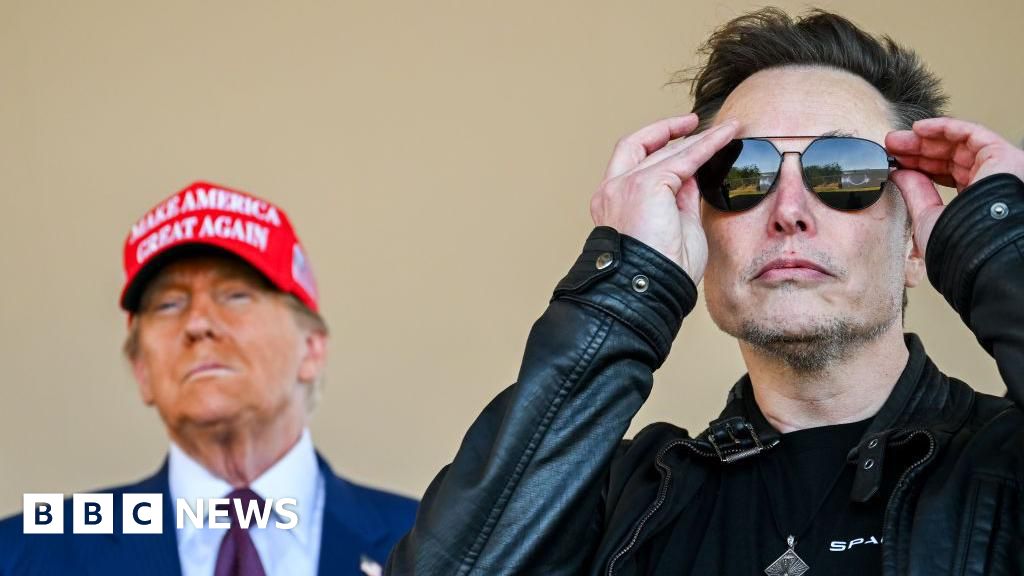
The recent announcement by Donald Trump that he intends to purchase a brand new Tesla, following a significant slump in the company's stock price, is a multifaceted event that intertwines political grandstanding, economic anxieties, and the complex relationship between prominent figures in business and politics. This declaration, made via Trump's Truth Social platform, is not simply a consumer decision; it is a deliberate act of public relations, aimed at bolstering both Elon Musk, a controversial figure in his own right, and the Tesla brand amidst turbulent times. The context of this statement is crucial to understanding its implications. Tesla's stock has been under pressure, experiencing a considerable drop that analysts attribute to a combination of factors: concerns about the company's ability to meet ambitious production targets, a decline in sales figures over the past year, and broader economic anxieties related to trade policies and potential recessions. Trump, however, frames the situation through a political lens, attributing the company's woes to a supposed boycott by "radical left lunatics" seeking to undermine Musk. This narrative aligns with Trump's well-established strategy of polarizing issues and mobilizing his base by identifying a clear enemy. His invocation of "Republicans, Conservatives, and all great Americans" is a direct appeal to his political supporters to rally behind Musk and Tesla, framing the purchase of a Tesla vehicle as an act of patriotic support. This strategy, however, is rife with contradictions, given that Trump's own policies have historically worked against the widespread adoption of electric vehicles, including his efforts to roll back regulations promoting electric car sales and to halt funding for charging infrastructure. The seemingly inconsistent messaging raises questions about the true motivations behind Trump's announcement. Is it a genuine expression of support for Musk, a calculated political maneuver to rally his base, or a combination of both? The answer likely lies in the complex interplay of these factors. Trump's relationship with Musk has been marked by both admiration and occasional friction. Both are known for their unconventional approaches and their willingness to challenge established norms, which may explain the underlying affinity between them. However, their political ideologies and business interests do not always align, and Trump's past actions have sometimes been detrimental to Musk's business ventures. The economic implications of Trump's announcement are also worth considering. While a single Tesla purchase by Trump is unlikely to have a significant impact on the company's overall sales, the symbolic value of his endorsement could be considerable. It could potentially reassure investors and consumers, signaling confidence in the brand and its future prospects. However, the extent to which this endorsement will translate into tangible results remains uncertain, particularly given the existing economic headwinds and the ongoing debate about the future of electric vehicles. Furthermore, the political dimensions of this situation extend beyond Trump's personal endorsement. The broader context of economic policy, trade relations, and the future of the automotive industry is all relevant to understanding the potential impact of Trump's actions. The fact that Trump's own policies have been criticized for hindering the growth of the electric vehicle market adds another layer of complexity to the situation. The contrast between his stated support for Tesla and his past actions raises questions about the credibility of his commitment and the sincerity of his intentions. In conclusion, Donald Trump's pledge to buy a new Tesla is more than just a personal purchase; it is a calculated political and economic statement that reflects the complex dynamics between prominent figures, economic anxieties, and the ongoing debate about the future of the automotive industry. While the immediate impact of this announcement may be limited, its long-term implications could be significant, particularly in shaping public perception of Tesla and influencing the future of electric vehicle adoption.
The economic factors influencing Tesla's stock performance extend far beyond political rhetoric and individual endorsements. Analysts point to tangible concerns about the company's operational efficiency, specifically its ability to consistently meet production targets. Tesla has faced challenges in scaling up production to meet growing demand, and these challenges have, in turn, affected investor confidence. Delays in the production and delivery of new models, such as the Cybertruck, have further fueled these concerns. These delays not only impact revenue projections but also create uncertainty about the company's long-term growth prospects. The decline in sales figures over the past year is another critical factor contributing to the stock's slump. The electric vehicle market is becoming increasingly competitive, with established automakers and new entrants alike vying for market share. Tesla, once the undisputed leader in the EV market, now faces intense competition from companies like Ford, General Motors, Volkswagen, and Rivian. These competitors are offering a wider range of electric vehicles at various price points, challenging Tesla's dominance and putting pressure on its sales. Moreover, macroeconomic factors, such as rising interest rates and inflationary pressures, are also weighing on the demand for electric vehicles. Higher interest rates make it more expensive for consumers to finance car purchases, while inflation erodes their purchasing power. These economic headwinds are impacting the entire automotive industry, but they are particularly challenging for Tesla, which has traditionally relied on high-end sales to drive its growth. The broader economic anxieties mentioned in the article, particularly those related to Trump's trade policies, further exacerbate these challenges. Trump's tariffs on imported goods have created uncertainty in the global economy and have raised concerns about potential trade wars. These concerns have had a ripple effect on financial markets, leading to increased volatility and a sell-off in technology stocks, including Tesla. The fact that US and Asian markets slumped on the same day that Tesla's stock fell sharply underscores the interconnectedness of the global economy and the vulnerability of technology companies to broader economic trends. Investors are increasingly wary of companies that are heavily reliant on global supply chains or that are particularly sensitive to trade policies. Tesla, with its global manufacturing operations and its reliance on imported components, falls into this category. In addition to these economic factors, there are also company-specific issues that are affecting Tesla's stock performance. Concerns about Elon Musk's leadership and his increasing involvement in other ventures, such as Twitter, have raised questions about his commitment to Tesla. Some investors worry that Musk's attention is being diverted away from Tesla, potentially hindering the company's ability to innovate and grow. The recent controversies surrounding Musk's management of Twitter have also damaged his reputation and have raised concerns about his judgment. These concerns have further eroded investor confidence in Tesla and have contributed to the stock's decline. Furthermore, the valuation of Tesla's stock has long been a subject of debate. Some analysts argue that the stock is overvalued, given the company's relatively modest profitability and the intense competition it faces. These analysts believe that the stock's high valuation is based on unrealistic expectations about the company's future growth prospects. The recent stock slump may be a sign that investors are starting to reassess their expectations and are becoming more realistic about Tesla's potential. In conclusion, Tesla's stock performance is influenced by a complex interplay of economic factors, company-specific issues, and broader market trends. While political endorsements and public relations efforts may provide a temporary boost to investor sentiment, the long-term success of the company will depend on its ability to address these underlying challenges and to deliver sustainable growth.
The contradictions inherent in Trump's public support for Tesla, juxtaposed against his administration's policies that demonstrably hindered the electric vehicle market, highlight a recurring theme in his political career: the prioritization of short-term gains and symbolic gestures over long-term strategic vision. Trump's decision to revoke the 2021 executive order issued by former President Joe Biden, which aimed to have half of all car sales be electric by 2030, directly contradicted the objective of promoting electric vehicle adoption. This action sent a clear signal to the automotive industry that the US government was retreating from its commitment to electrifying transportation. Similarly, Trump's halting of unspent government funds allocated for charging stations undermined the infrastructure necessary to support the widespread use of electric vehicles. The lack of charging infrastructure remains a significant barrier to the adoption of EVs, as consumers are hesitant to purchase electric vehicles if they are concerned about the availability of charging stations. Trump's decision to cut funding for these stations further exacerbated this problem. These policies were not isolated incidents; they were part of a broader pattern of deregulation and a focus on promoting traditional fossil fuels. Trump's administration consistently sought to roll back environmental regulations and to support the coal industry, even in the face of mounting scientific evidence of the dangers of climate change. This approach was fundamentally at odds with the transition to a cleaner, more sustainable transportation system. The contradiction between Trump's policies and his stated support for Tesla raises questions about the sincerity of his motivations. Some observers suggest that Trump's actions were driven by a desire to appeal to his political base, which includes many supporters of the traditional automotive industry and skeptics of climate change. By rolling back regulations promoting electric vehicles, Trump was able to cater to these constituencies and to solidify his political support. Others argue that Trump's policies were influenced by lobbying efforts from the oil and gas industry, which has a vested interest in maintaining the dominance of fossil fuels. These lobbying efforts have been successful in persuading policymakers to oppose policies that would promote the adoption of electric vehicles. Regardless of the specific motivations, the impact of Trump's policies on the electric vehicle market was undeniable. His actions slowed the growth of the EV market in the United States and made it more difficult for companies like Tesla to compete with traditional automakers. The inconsistency between Trump's words and actions also eroded his credibility and made it difficult for him to build trust with the public. The contrast between Trump's public support for Tesla and his administration's policies serves as a cautionary tale about the dangers of prioritizing short-term political gains over long-term strategic vision. His actions demonstrated the importance of consistency and credibility in policymaking and the need for governments to align their policies with their stated goals. The future of the electric vehicle market depends on strong government support and a commitment to creating a sustainable transportation system. Trump's policies undermined these efforts and created uncertainty in the market. It remains to be seen whether the Biden administration will be able to reverse the damage caused by Trump's policies and to accelerate the transition to electric vehicles. The challenges are significant, but the potential benefits of a cleaner, more sustainable transportation system are enormous.
Source: Donald Trump vows to 'buy a brand new Tesla' after stock slump