
 |
|
The incident involving the accidental inclusion of a journalist, Jeffrey Goldberg, editor-in-chief of The Atlantic, in a group chat discussing upcoming military strikes against Yemen's Houthis has raised significant questions about security protocols, transparency, and the relationship between the government and the press. The core of the matter revolves around the fact that highly sensitive information, including operational details of forthcoming strikes, found its way into the hands of someone outside of the established chain of command and security clearance. President Trump's immediate denial of knowledge further complicates the situation, adding a layer of uncertainty and potential deniability. The White House's confirmation that the incident occurred, albeit mistakenly, underscores the seriousness of the breach and the potential consequences it could have had on the planned military operation. The revelation that Defense Secretary Pete Hegseth, Vice President JD Vance, and other top American officials were involved in the group chat amplifies the concern, suggesting a systemic oversight rather than an isolated error by a low-level staffer. The implications extend beyond a simple misstep in digital communication; it touches upon the integrity of national security, the trust placed in government officials to safeguard classified information, and the potential for such lapses to compromise military objectives and endanger lives. Furthermore, the reaction of the media, particularly The Atlantic's decision to publish a story based on the leaked information, highlights the inherent tension between the public's right to know and the government's need to maintain operational secrecy. The timing of the incident, shortly before the US attacked Yemen's Iran-aligned Houthis, adds another dimension to the analysis. It begs the question of whether the leak, intentional or not, could have provided the Houthis with advance warning, potentially allowing them to adjust their defenses or evade the impending strikes. The potential for such a scenario underscores the gravity of the security breach and the need for a thorough investigation to determine the root cause and implement corrective measures to prevent future occurrences. The incident also raises questions about the use of informal communication channels, such as group chats, for discussing sensitive military matters. While these channels can facilitate rapid communication and collaboration, they may also lack the security features and oversight mechanisms necessary to protect classified information. The reliance on such channels suggests a potential disconnect between the convenience of instant messaging and the imperative to maintain strict security protocols. The aftermath of the incident is likely to involve internal reviews, investigations, and potential disciplinary actions. The White House will need to demonstrate that it is taking the matter seriously and implementing measures to prevent similar breaches in the future. This could include enhanced training for government officials on information security protocols, stricter guidelines for the use of informal communication channels, and improved oversight mechanisms to ensure compliance with security regulations. The incident also serves as a reminder of the evolving landscape of information warfare and the increasing vulnerability of government communications to cyberattacks and leaks. As technology advances, so too do the methods used by adversaries to gather intelligence and disrupt military operations. The government must continuously adapt its security measures to stay ahead of these threats and protect sensitive information from falling into the wrong hands. The role of the media in reporting on such incidents is also crucial. While journalists have a responsibility to inform the public about matters of public interest, they must also be mindful of the potential consequences of publishing classified information that could jeopardize national security. Striking a balance between these competing interests requires careful consideration and a commitment to responsible journalism. The incident involving the accidental inclusion of a journalist in a group chat discussing military strikes against Yemen's Houthis is a complex and multifaceted issue with far-reaching implications. It highlights the importance of security protocols, transparency, and the responsible use of technology in government communications. The aftermath of the incident will likely involve internal reviews, investigations, and a renewed focus on information security to prevent similar breaches in the future. The incident also underscores the importance of the relationship between the government and the press, and the need for both to act responsibly in the pursuit of their respective roles.
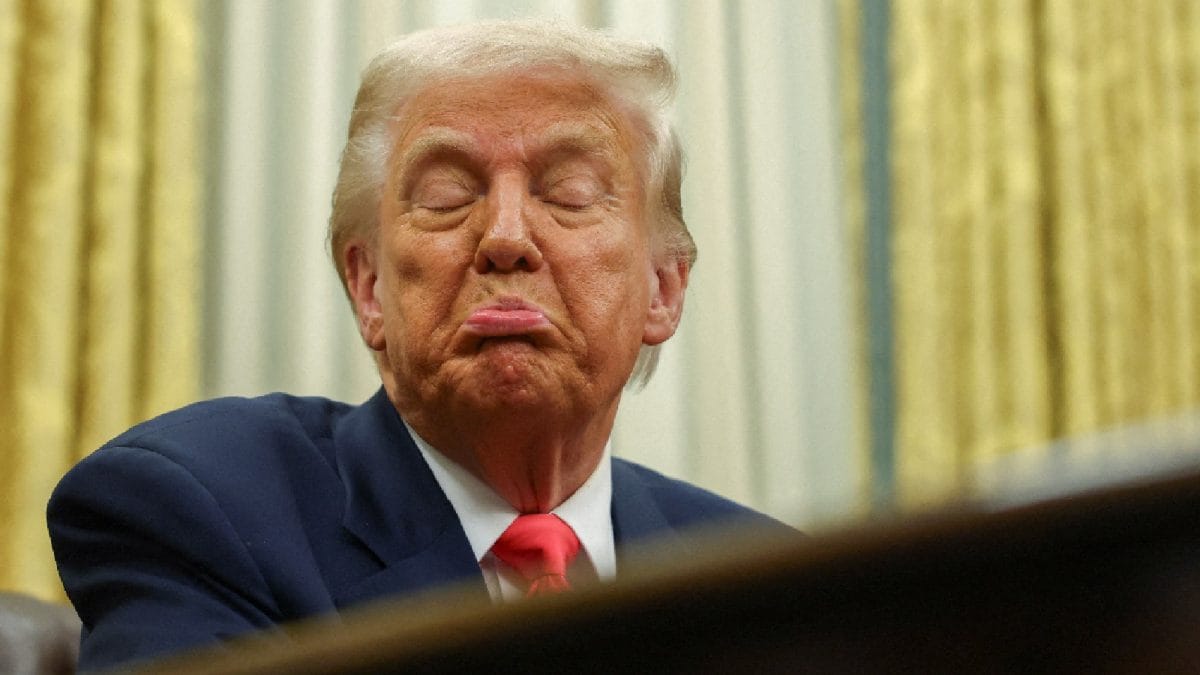
President Trump's response, characterized by a denial of knowledge and a dismissal of The Atlantic magazine, is a familiar tactic employed by the former president. His assertion that he knows 'nothing' about the incident and his disparaging remarks about The Atlantic raise questions about his commitment to transparency and accountability. While it is possible that Trump was genuinely unaware of the specific details of the incident, his denial is likely to be met with skepticism, given his track record of downplaying or denying controversial events during his presidency. His criticism of The Atlantic as 'a magazine going at a business' suggests a bias against the publication, potentially stemming from its critical coverage of his administration. This bias could further cloud his judgment and make it more difficult to assess the incident objectively. Trump's reaction also highlights the broader issue of the relationship between the government and the media. In a democratic society, a free and independent press is essential for holding the government accountable and informing the public about matters of public interest. However, this relationship can be strained when the media publishes information that the government deems sensitive or classified. The incident involving The Atlantic and the Yemen war plans underscores this tension. The government has a legitimate need to protect classified information to safeguard national security, but the media also has a responsibility to inform the public about matters of public interest, even if that information is classified. Striking a balance between these competing interests requires careful consideration and a commitment to responsible journalism. In this case, The Atlantic likely weighed the public interest in knowing about the potential security breach against the potential harm that could be caused by publishing classified information. The decision to publish the story suggests that the magazine believed the public interest outweighed the potential harm. However, this decision is likely to be debated and scrutinized by both the government and the media. The incident also raises questions about the role of social media in government communications. While social media platforms can be useful for disseminating information and engaging with the public, they also pose significant security risks. Government officials must be aware of these risks and take steps to protect classified information from being leaked or hacked. The use of informal communication channels, such as group chats, for discussing sensitive military matters is particularly concerning. These channels may lack the security features and oversight mechanisms necessary to protect classified information. Government officials should be trained on the risks of using social media and other informal communication channels for government business. They should also be required to use secure communication channels for discussing classified information. The incident involving the Yemen war plans is a reminder of the importance of information security and the need for government officials to be vigilant in protecting classified information. The incident also highlights the tension between the government's need to protect classified information and the media's responsibility to inform the public. Striking a balance between these competing interests requires careful consideration and a commitment to responsible journalism. President Trump's response to the incident is likely to be viewed as dismissive and unconcerned. His denial of knowledge and his criticism of The Atlantic suggest that he is not taking the matter seriously. This is likely to further erode public trust in his administration.
The broader implications of this incident extend to the realm of international relations and the ongoing conflict in Yemen. The disclosure of US military plans, even if accidental, could have significant ramifications for the security situation in the region. The Houthis, who are supported by Iran, could use this information to better prepare for future attacks, potentially prolonging the conflict and increasing the risk to civilians. The incident also raises questions about the US's ability to maintain operational security in a complex and volatile environment. The Yemen conflict is a proxy war between Saudi Arabia and Iran, with the US providing support to the Saudi-led coalition. The conflict has resulted in a humanitarian crisis, with millions of Yemenis facing starvation and disease. The US has been criticized for its support of the Saudi-led coalition, with some arguing that it is contributing to the humanitarian crisis. The incident involving the Yemen war plans could further fuel criticism of the US's involvement in the conflict. The US must carefully consider the potential consequences of its actions in Yemen and take steps to mitigate the risks to civilians. The US should also work to promote a peaceful resolution to the conflict. The incident also raises questions about the US's relationship with Iran. The US and Iran have a long history of conflict, and tensions have been escalating in recent years. The US has imposed sanctions on Iran over its nuclear program, and Iran has been accused of supporting terrorist groups in the region. The incident involving the Yemen war plans could further escalate tensions between the US and Iran. The US must carefully manage its relationship with Iran to avoid a wider conflict. The incident involving the Yemen war plans is a complex and multifaceted issue with far-reaching implications. It highlights the importance of security protocols, transparency, and the responsible use of technology in government communications. The aftermath of the incident will likely involve internal reviews, investigations, and a renewed focus on information security to prevent similar breaches in the future. The incident also underscores the importance of the relationship between the government and the press, and the need for both to act responsibly in the pursuit of their respective roles. The broader implications of the incident extend to the realm of international relations and the ongoing conflict in Yemen. The US must carefully consider the potential consequences of its actions in Yemen and take steps to mitigate the risks to civilians. The US should also work to promote a peaceful resolution to the conflict. The incident also raises questions about the US's relationship with Iran. The US must carefully manage its relationship with Iran to avoid a wider conflict. The incident underscores the need for careful consideration, responsible action, and a commitment to transparency and accountability in all aspects of government operations.
Source: 'I Know Nothing': Trump On His Officials Mistakenly Adding Journalist To Yemen War Plans Group