
 |
|
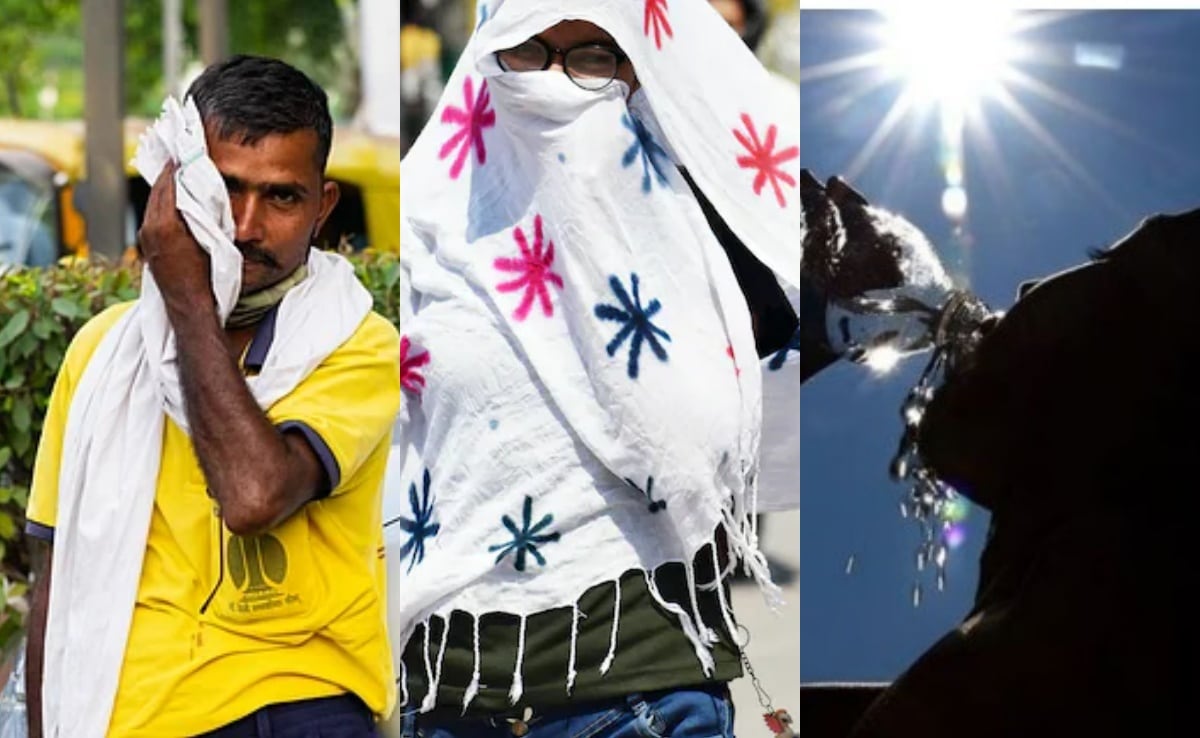
The city of Mumbai, along with its surrounding districts, is currently grappling with heatwave conditions, prompting the Brihanmumbai Municipal Corporation (BMC) to issue a comprehensive set of guidelines aimed at mitigating the adverse health impacts of soaring temperatures. These guidelines, disseminated late on Monday, serve as a crucial resource for residents, emphasizing the importance of hydration and other proactive measures to safeguard against heat-related illnesses. The BMC's initiative underscores the proactive role of local authorities in addressing public health concerns arising from extreme weather events. The guidelines are formulated in accordance with the National Disaster Management Authority (NDMA) to ensure a coordinated and effective response. The release highlights the critical need for vigilance and adherence to the recommended precautions, particularly during the peak heatwave period. The forecast from the India Meteorological Department (IMD) indicates that Greater Mumbai and other parts of Maharashtra are experiencing a heatwave, a situation that is expected to persist until March 11. This extended period of high temperatures necessitates a sustained effort in raising awareness and promoting preventative measures. The BMC anticipates that such heatwave events may occur more frequently in the months of March and April, highlighting the growing vulnerability of the region to climate-related hazards. As a result, the guidelines serve as a valuable tool for citizens to proactively prepare for and respond to these recurring heatwave occurrences. The guidelines explicitly outline “Do’s and Don’ts” for residents, providing clear and actionable steps that can be taken to minimize the risk of heatstroke and other heat-related ailments. These instructions are designed to be easily understood and implemented by individuals across all demographics, ensuring broad accessibility and effectiveness.
Among the specific recommendations provided by the BMC, the emphasis on adequate hydration stands out as a paramount preventative measure. Residents are strongly advised to consume sufficient quantities of water throughout the day, even when they do not feel thirsty. This proactive approach to hydration is crucial in maintaining the body's natural cooling mechanisms and preventing dehydration, a primary risk factor for heatstroke. The guidelines further emphasize the importance of appropriate attire, recommending that individuals wear lightweight, loose-fitting cotton clothing to promote airflow and minimize heat retention. This simple yet effective measure can significantly reduce the body's susceptibility to overheating. Additionally, the BMC advises residents to utilize protective accessories such as sunglasses and footwear when venturing outdoors, shielding themselves from the harmful effects of direct sunlight and hot surfaces. Carrying umbrellas while stepping out of homes or offices is also encouraged to provide shade and reduce exposure to the sun's rays. The guidelines explicitly advise against the consumption of certain beverages, including alcohol, tea, coffee, and cold drinks. These drinks can exacerbate dehydration and interfere with the body's ability to regulate its temperature effectively. By avoiding these substances, individuals can further minimize their risk of heat-related complications. In the event that a person exhibits symptoms of heatstroke, the BMC provides clear instructions on immediate first aid measures. The individual should be moved to a cool place or under a shaded area to minimize further exposure to heat. Efforts should be made to lower the body temperature through various methods, such as wiping the person with a wet cloth or frequently washing the body with cool water. Pouring normal temperature water on the head is also recommended to help bring down the body temperature.
Furthermore, the BMC emphasizes the importance of rehydration through the administration of oral rehydration solutions (ORS), lime water, or other hydrating beverages. These solutions help replenish electrolytes lost through sweat and restore the body's fluid balance. The guidelines stress the urgency of seeking medical attention in cases of suspected heatstroke, urging individuals to rush the affected person to the nearest health center or hospital without delay. Heatstroke is a potentially life-threatening condition that requires prompt and appropriate medical intervention. The BMC emphasizes that heatstroke can prove fatal if not treated on time, underscoring the critical importance of early recognition and immediate action. To reinforce the importance of preventative measures, the BMC urges citizens to diligently follow the suggested tips and guidelines to avoid heatstroke. By adhering to these recommendations, individuals can significantly reduce their risk of developing heat-related illnesses and protect themselves and their communities from the adverse health impacts of heatwaves. The BMC's proactive approach to public health education and preparedness is commendable and serves as a model for other cities facing similar challenges. The emphasis on accessible and actionable information ensures that residents are equipped with the knowledge and resources necessary to navigate the dangers of heatwaves effectively. The collaborative approach, incorporating guidelines from the National Disaster Management Authority (NDMA), demonstrates a commitment to a coordinated and comprehensive response to extreme weather events. This holistic approach to heatwave management is crucial in protecting the health and well-being of the community and mitigating the potential consequences of climate change.
The importance of the BMC's initiative cannot be overstated. In a densely populated city like Mumbai, where many residents live in overcrowded conditions with limited access to cooling, heatwaves pose a significant threat to public health. The elderly, young children, and individuals with pre-existing medical conditions are particularly vulnerable. The BMC's guidelines provide a critical lifeline for these vulnerable populations, offering practical advice that can help them stay safe and healthy during periods of extreme heat. Beyond the immediate health risks, heatwaves can also have broader economic and social impacts. They can disrupt daily routines, reduce productivity, and strain healthcare resources. By proactively addressing the health challenges associated with heatwaves, the BMC is helping to mitigate these broader societal impacts and ensure the continued well-being of the city. The success of the BMC's heatwave preparedness strategy hinges on effective communication and outreach. The guidelines must be widely disseminated through various channels, including traditional media, social media, community organizations, and public service announcements. The information should be available in multiple languages to reach diverse communities within the city. It is also crucial to engage community leaders and healthcare providers in promoting the guidelines and encouraging residents to take preventative measures. Furthermore, the BMC should continue to monitor weather conditions and update its guidelines as necessary to reflect the latest scientific understanding and best practices. Regular assessments of the effectiveness of the heatwave preparedness strategy are essential to identify areas for improvement and ensure that the city is adequately prepared for future heatwave events. The BMC's initiative serves as a powerful example of how local governments can take proactive steps to protect their communities from the impacts of climate change. By investing in heatwave preparedness, Mumbai is demonstrating its commitment to building a resilient and sustainable city for all its residents. The BMC should be commended for its leadership in this area and encouraged to continue its efforts to enhance heatwave preparedness in the years to come.
In conclusion, the Brihanmumbai Municipal Corporation's (BMC) issuance of heatwave guidelines represents a crucial step in protecting the health and well-being of Mumbai residents amidst rising temperatures. The guidelines, formulated in accordance with the National Disaster Management Authority (NDMA), provide clear and actionable steps that individuals can take to mitigate the risks of heatstroke and other heat-related illnesses. The emphasis on hydration, appropriate attire, and avoiding certain beverages is essential in preventing dehydration and maintaining the body's natural cooling mechanisms. The guidelines also provide valuable first aid instructions for responding to heatstroke symptoms, emphasizing the importance of seeking immediate medical attention. The BMC's proactive approach to public health education and preparedness is commendable and serves as a model for other cities facing similar challenges. By disseminating the guidelines through various channels and engaging community leaders and healthcare providers, the BMC is ensuring that residents are equipped with the knowledge and resources necessary to navigate the dangers of heatwaves effectively. The success of the BMC's heatwave preparedness strategy hinges on effective communication, ongoing monitoring, and regular assessments of its effectiveness. The city's commitment to building a resilient and sustainable future is evident in its proactive approach to heatwave management. As climate change continues to drive more frequent and intense heatwave events, the BMC's efforts will become increasingly critical in protecting the health and well-being of Mumbai's residents. The BMC's initiative underscores the importance of local government leadership in addressing the challenges posed by climate change and building resilient communities for future generations. By prioritizing public health and investing in preparedness measures, Mumbai is setting a positive example for other cities to follow.
Source: Avoid Alcohol, Tea, Coffee, Cold Drinks: Mumbai Civic Body BMC Amid Heatwave