
 |
|
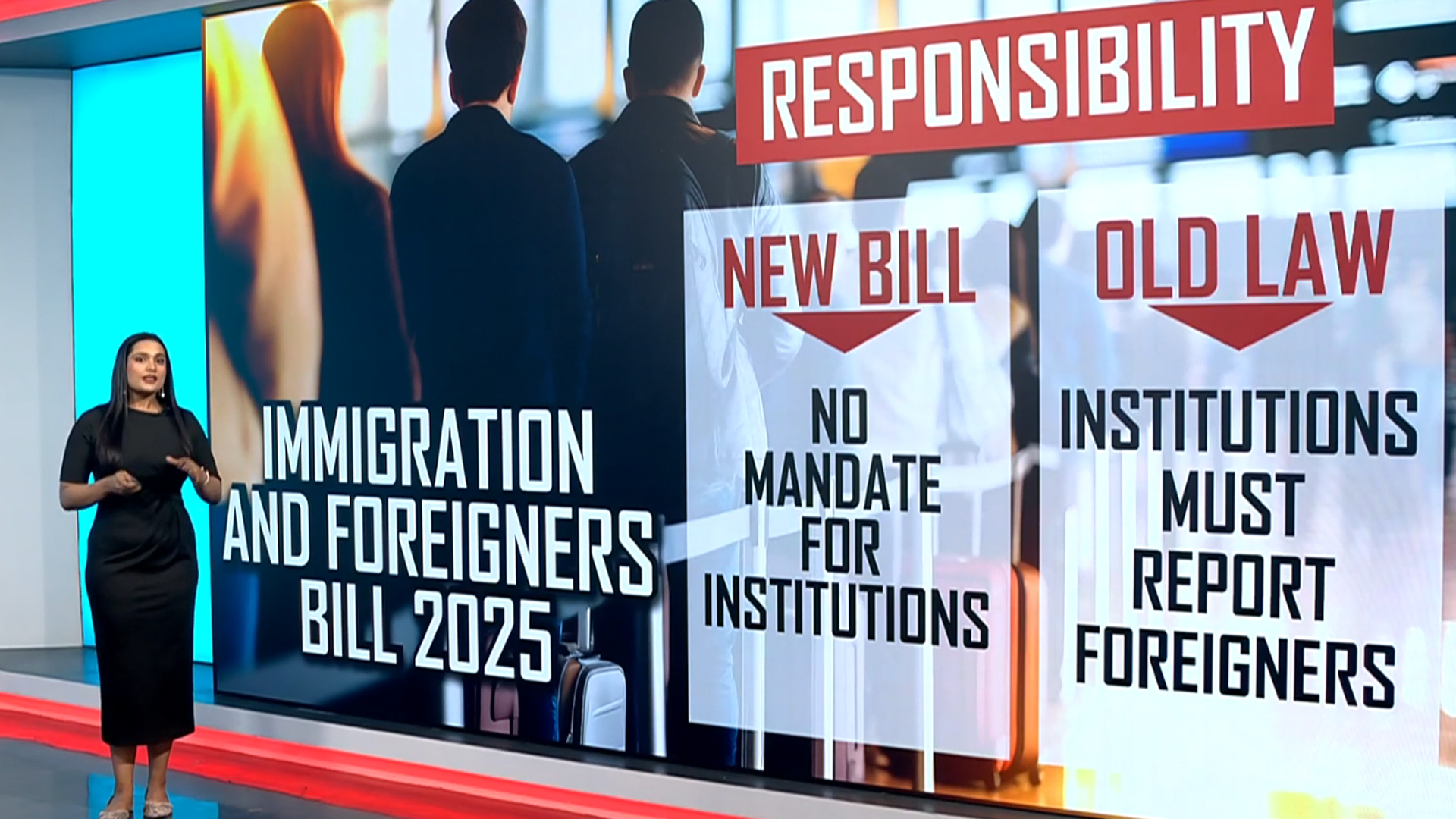
The Immigration and Foreigners Bill 2025 represents a significant attempt to modernize and streamline India's immigration framework, aligning it more closely with global best practices. While the provided article content is exceptionally brief, it hints at a comprehensive overhaul of the existing immigration system, suggesting that the bill encompasses various aspects related to visa regulations, entry and exit procedures, residency permits, and perhaps even citizenship pathways. The involvement of NDTV's Aarthi Kirushnan as an explainer underscores the potential complexity and public interest surrounding the bill, suggesting that it addresses pertinent issues concerning both Indian citizens and foreign nationals seeking to reside or work in India. The intent to align with global systems implies a focus on efficiency, transparency, and possibly more robust security measures. This alignment could involve adopting international standards for immigration screening, data management, and information sharing. The bill’s potential impact extends to numerous sectors, including tourism, education, healthcare, and technology, as each relies heavily on international collaboration and the movement of skilled professionals and students. A streamlined immigration process could significantly boost these sectors, attracting foreign investment and talent while also safeguarding national interests. The success of the Immigration and Foreigners Bill 2025 will hinge on its ability to strike a balance between facilitating legitimate immigration and preventing illegal immigration, human trafficking, and other security threats. It will also be crucial for the bill to address the concerns of various stakeholders, including employers, immigrants, and civil society organizations, ensuring that its provisions are fair, equitable, and in compliance with international human rights standards. The bill’s implementation will also require significant investment in infrastructure, technology, and personnel training to ensure its effective enforcement. The government will need to develop clear and accessible guidelines for applicants, employers, and immigration officials, and establish robust monitoring mechanisms to track the bill's impact on various aspects of Indian society and the economy. Furthermore, public awareness campaigns will be necessary to educate the public about the bill's provisions and to dispel any misconceptions or fears surrounding immigration. This is particularly important in a country as diverse and politically charged as India, where immigration is often a contentious issue. The bill's long-term success will depend on its ability to foster a welcoming and inclusive environment for immigrants while also protecting the rights and interests of Indian citizens. The legislation must clearly define the rights and responsibilities of immigrants, providing them with access to essential services such as healthcare, education, and legal assistance. Simultaneously, the bill must also address the concerns of Indian citizens regarding job security, social integration, and the preservation of cultural identity. The Immigration and Foreigners Bill 2025 represents a critical step towards creating a more modern and efficient immigration system in India. However, its implementation will require careful planning, effective communication, and ongoing monitoring to ensure that it achieves its intended goals and benefits all stakeholders. The emphasis on global alignment suggests a recognition that immigration is an increasingly global phenomenon, and that India must adapt its policies to remain competitive in attracting talent and investment. This alignment could involve adopting common visa categories, streamlining application procedures, and promoting international cooperation on immigration matters. The bill’s potential impact on the Indian diaspora is also worth considering. A more streamlined immigration system could make it easier for Indian expatriates to return to India to work, invest, or retire. It could also facilitate the reunification of families and the repatriation of Indian citizens who are facing hardship abroad. The bill must also address the issue of undocumented immigrants, providing a fair and humane process for regularizing their status or for returning them to their countries of origin. This process must be consistent with international human rights standards and must prioritize the safety and well-being of vulnerable individuals, such as women and children. The Immigration and Foreigners Bill 2025 has the potential to transform India's immigration landscape and to contribute significantly to the country's economic and social development. However, its success will depend on its ability to address the complex challenges and opportunities presented by globalization and to create a system that is both efficient and equitable. The fact that NDTV, a prominent news organization, has chosen to explain the bill highlights its significance and its potential impact on a wide range of stakeholders. This suggests that the bill is likely to be subject to considerable public scrutiny and debate, and that the government will need to be transparent and responsive in addressing any concerns that may arise. The bill’s provisions should also be aligned with India's international obligations, including its commitments under various treaties and conventions related to human rights, refugees, and migrant workers. This will ensure that the bill is consistent with international law and that it does not discriminate against any particular group of people. The Immigration and Foreigners Bill 2025 is a complex and multifaceted piece of legislation that has the potential to significantly impact India's future. Its success will depend on careful planning, effective implementation, and ongoing monitoring to ensure that it achieves its intended goals and benefits all stakeholders. The Bill needs to incorporate provisions related to climate refugees, skill based migrants, entrepreneurial migrants and humanitarian aid to refugees. These are the main migrants that are observed today. The policies must be made in a very structured manner and there must be strictness observed with these policies as well. The government must keep a tight control on the monitoring of these policies so that the immigrants that come in are actually adding up to the economy and are not a burden to the country. This will encourage more and more people to follow these rules and also improve the structure of policies. This is a positive and beneficial aspect. The Immigration and Foreigners Bill 2025 is a progressive step by the Indian government to build relations with all the other countries.