
 |
|
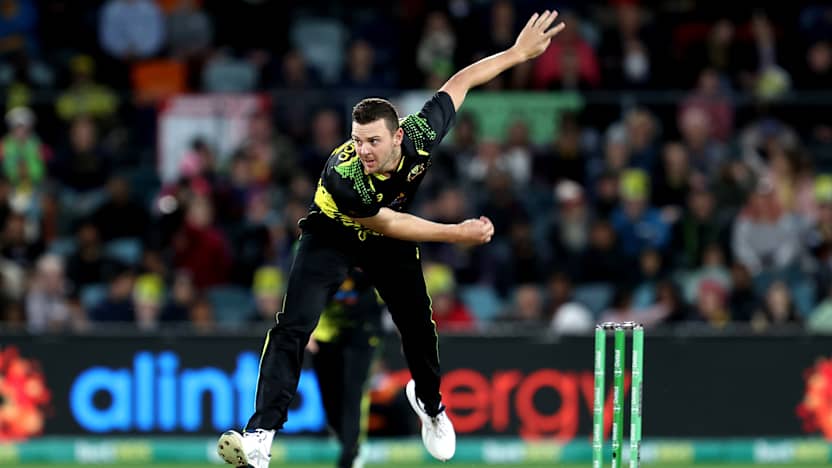
Josh Hazlewood's return to competitive cricket after a hiatus due to a calf strain and subsequent management of ongoing injuries marks a significant moment in the cricketing world. His appearance for Royal Challengers Bengaluru (RCB) in the Indian Premier League (IPL) on March 22, 2025, was his first competitive game since December 2024, adding a layer of anticipation and scrutiny to his performance. The Australian premium pacer's presence in the RCB squad is undoubtedly a boost, given his reputation for accuracy, control, and ability to extract bounce and movement from the pitch. His experience and skill set are invaluable assets to any team, especially in the high-pressure environment of the IPL. The article highlights Hazlewood's successful comeback, where he played a pivotal role in RCB's victory against Kolkata Knight Riders (KKR) by claiming two crucial wickets for just 22 runs. This performance not only underscores his enduring quality but also serves as a testament to his resilience and determination to overcome injury setbacks. The fact that Hazlewood himself expressed satisfaction with his performance, stating that he "got through the game very well," suggests that he is on the right track in his recovery and is gradually regaining his peak form. This is particularly encouraging for Australian cricket fans, as Hazlewood is a key component of their national team across all formats of the game. His ability to perform consistently at the highest level is crucial for Australia's chances of success in major international tournaments. Furthermore, Hazlewood's approach to his return, focusing on a "gradual rebuild," reflects a mature and pragmatic understanding of his body and the demands of professional cricket. Rather than rushing back into action and risking further injury, he is taking a measured approach, carefully managing his workload and gradually increasing his intensity. This cautious approach is likely to prolong his career and ensure that he remains a valuable asset to both RCB and the Australian national team for years to come. The article also provides context to Hazlewood's injury struggles, mentioning that he was ruled out of the remaining Tests against India last year, as well as the Sri Lanka tour and Champions Trophy. These absences highlight the significant impact that injuries can have on a player's career, not only preventing them from competing but also disrupting their rhythm and confidence. The process of recovering from injury and regaining peak form can be a long and arduous one, requiring immense patience, discipline, and mental fortitude. Hazlewood's ability to overcome these challenges and return to competitive cricket is a testament to his professionalism and dedication. His story serves as an inspiration to other athletes who are battling injuries and striving to return to their best. Beyond the immediate impact on RCB and Australian cricket, Hazlewood's comeback also has broader implications for the sport as a whole. It highlights the importance of player welfare and the need for careful management of workloads to prevent injuries. The increasing demands of modern cricket, with its packed schedules and relentless travel, place immense strain on players' bodies. It is crucial that teams and governing bodies prioritize player health and well-being to ensure the long-term sustainability of the sport. In conclusion, Josh Hazlewood's return to competitive cricket after injury is a positive development for both RCB and Australian cricket. His successful comeback performance against KKR demonstrates his enduring quality and resilience, while his focus on a "gradual rebuild" reflects a mature and pragmatic approach to his career. His story serves as an inspiration to other athletes and underscores the importance of player welfare in modern cricket. As he continues his journey back to peak form, Hazlewood will undoubtedly be a key player to watch in the IPL and beyond.
The significance of Josh Hazlewood's return extends beyond the immediate context of an IPL match. It speaks volumes about the athlete's mental fortitude, the dedication to rehabilitation, and the strategic planning required to navigate the complexities of professional sports after injury. Hazlewood's calf strain, which sidelined him from crucial international fixtures like the remaining Tests against India, the Sri Lanka tour, and the Champions Trophy, represented a significant setback in his career trajectory. These absences were not merely gaps in the team sheet; they were moments where Hazlewood's expertise and experience were sorely missed, potentially altering the outcomes of key matches. The process of recovery from a calf strain is multifaceted. It involves not only physical healing but also a gradual rebuilding of strength, flexibility, and confidence in the affected area. Athletes often undergo rigorous physiotherapy, stretching exercises, and strength training programs designed to restore their bodies to pre-injury condition. However, the mental aspect of recovery is equally important. Overcoming the fear of re-injury, regaining trust in one's body, and maintaining a positive mindset throughout the rehabilitation process are all crucial factors that contribute to a successful return. Hazlewood's decision to adopt a "gradual rebuild" approach is a testament to his understanding of these complexities. It suggests that he is not simply focused on returning to the field as quickly as possible, but rather on ensuring that he is fully fit and prepared to perform at his best without risking further injury. This approach requires patience, discipline, and a willingness to listen to his body. It also necessitates close collaboration with his medical team, coaches, and trainers to carefully monitor his progress and adjust his training program as needed. The IPL, with its high-intensity matches and demanding travel schedule, presents a unique challenge for athletes returning from injury. The pressure to perform is immense, and the risk of re-injury is ever-present. However, it also provides an opportunity for players to showcase their skills on a global stage and earn valuable experience. Hazlewood's decision to participate in the IPL suggests that he is confident in his ability to cope with these challenges and that he sees the tournament as an important step in his recovery process. His performance in his first match, where he took two crucial wickets for just 22 runs, is a promising sign that he is on the right track. However, it is important to remember that this is just one game, and there is still a long way to go. Hazlewood will need to continue to manage his workload carefully and gradually increase his intensity as the tournament progresses. The support of his teammates, coaches, and medical staff will be crucial in helping him to achieve this goal. Beyond the immediate impact on his own career, Hazlewood's return also has broader implications for the cricketing world. It serves as a reminder of the importance of player welfare and the need for teams and governing bodies to prioritize the health and well-being of their athletes. The demands of modern cricket are constantly increasing, and players are being pushed harder than ever before. It is essential that they receive the support they need to stay fit and healthy and to avoid career-threatening injuries. In conclusion, Josh Hazlewood's return to competitive cricket is a significant achievement that reflects his mental fortitude, dedication to rehabilitation, and strategic planning. His decision to adopt a "gradual rebuild" approach is a testament to his understanding of the complexities of professional sports after injury. His performance in his first match is a promising sign, but he will need to continue to manage his workload carefully and gradually increase his intensity as the tournament progresses.
The detailed examination of Josh Hazlewood's return to competitive cricket after battling a calf strain and subsequent management of injuries necessitates a broader perspective on the evolving landscape of professional sports, specifically focusing on the interplay between performance expectations, injury prevention, and the long-term sustainability of athletes' careers. Hazlewood's case serves as a microcosm of the challenges faced by elite athletes across various disciplines, where the relentless pursuit of excellence often comes at the cost of physical and mental well-being. The modern sporting environment is characterized by intense competition, demanding training schedules, and constant pressure to perform at the highest level. Athletes are expected to push their bodies to the limit, often exceeding the natural boundaries of human endurance. This relentless pursuit of success can lead to a higher risk of injuries, burnout, and other health problems. The economic incentives in professional sports further exacerbate these pressures. Lucrative contracts, endorsement deals, and sponsorship opportunities are often contingent upon performance, creating a powerful motivation for athletes to prioritize short-term gains over long-term health. This can lead to a reluctance to take time off to recover from injuries or to address underlying health issues, potentially resulting in more severe and chronic problems down the line. The increasing awareness of these issues has led to a growing emphasis on injury prevention and player welfare in professional sports. Teams and governing bodies are investing in sophisticated training programs, advanced medical technologies, and comprehensive support systems to help athletes stay healthy and perform at their best. However, the implementation of these measures is often met with resistance from athletes, coaches, and team owners who are reluctant to compromise on performance or revenue generation. Striking a balance between these competing interests is a complex and ongoing challenge. The concept of "load management" has emerged as a key strategy for preventing injuries and extending athletes' careers. Load management involves carefully monitoring and regulating the amount of physical stress that athletes are subjected to during training and competition. This can include limiting playing time, reducing the intensity of workouts, and providing adequate rest and recovery periods. Hazlewood's decision to adopt a "gradual rebuild" approach is a prime example of load management in action. By carefully managing his workload and gradually increasing his intensity, he is reducing the risk of re-injury and ensuring that he is able to perform at his best over the long term. The success of load management strategies depends on a collaborative effort between athletes, coaches, medical staff, and team owners. It requires a willingness to prioritize long-term health over short-term gains and a commitment to open communication and data-driven decision-making. The future of professional sports will likely be shaped by the ongoing efforts to balance performance expectations with player welfare. As athletes become more aware of the risks associated with pushing their bodies to the limit, they will likely demand greater control over their training and recovery schedules. Teams and governing bodies will need to adapt to these changing expectations by implementing more comprehensive injury prevention and player support programs. In conclusion, Josh Hazlewood's return to competitive cricket serves as a reminder of the challenges faced by elite athletes in the modern sporting environment. The interplay between performance expectations, injury prevention, and long-term sustainability is a complex and evolving issue that requires a collaborative effort from all stakeholders. By prioritizing player welfare and implementing effective load management strategies, professional sports can create a more sustainable and healthier environment for athletes to thrive.
Ultimately, Josh Hazlewood's journey back to peak performance reflects a larger narrative within professional sports—a narrative centered on the evolution of athlete care, the acknowledgment of human limitations within a hyper-competitive environment, and the strategic recalibration of training and performance paradigms. The emphasis on a 'gradual rebuild' is not merely a tactical approach to physical recovery; it embodies a philosophical shift towards athlete longevity and sustainable excellence. This transition is driven by several factors, including a more sophisticated understanding of sports science, enhanced diagnostic capabilities for early detection of potential injuries, and a growing athlete advocacy for personalized training and recovery plans. In the past, the prevailing mindset often prioritized immediate performance gains, sometimes at the expense of long-term athlete health. This resulted in a culture of pushing through pain, minimizing rest periods, and neglecting the cumulative impact of repetitive stress on the body. Today, a more holistic approach is gaining traction, emphasizing the interconnectedness of physical, mental, and emotional well-being. Athletes are increasingly encouraged to prioritize sleep, nutrition, and stress management as integral components of their training regimen. Furthermore, the rise of data analytics has revolutionized the way athletes are monitored and managed. Wearable sensors, biomechanical assessments, and sophisticated performance tracking systems provide valuable insights into an athlete's physical condition, allowing for early detection of fatigue, imbalances, and potential injury risks. This data-driven approach enables coaches and medical staff to tailor training programs to individual needs, optimizing performance while minimizing the risk of injury. The increasing prominence of athlete voice and agency is also playing a significant role in shaping the future of sports. Athletes are becoming more empowered to advocate for their own health and well-being, challenging traditional power structures and demanding greater autonomy over their training and recovery decisions. This shift is facilitated by the rise of social media, which provides athletes with a direct platform to communicate their experiences, share their perspectives, and connect with fans and fellow athletes. Hazlewood's deliberate approach to his return, characterized by patience, self-awareness, and collaboration with his medical team, exemplifies this new paradigm. He recognizes that his long-term success depends not only on his physical capabilities but also on his ability to manage his body, mind, and emotions effectively. His willingness to prioritize a 'gradual rebuild' over a rushed comeback demonstrates a commitment to sustainable performance and a recognition that the journey is just as important as the destination. This narrative is not unique to cricket or to Josh Hazlewood. It is a story that resonates across all sports and all levels of competition. As athletes become more aware of the importance of self-care, load management, and data-driven training, they are transforming the landscape of professional sports and redefining what it means to achieve peak performance. In conclusion, Hazlewood's return is not merely a story of overcoming injury; it is a testament to the evolving landscape of athlete care and the growing emphasis on sustainable excellence. By embracing a holistic approach to training, prioritizing self-awareness, and collaborating with experts, athletes are empowering themselves to achieve their full potential while minimizing the risks of injury and burnout.
Source: Hazlewood plans gradual rebuild after confident start in Kolkata