
 |
|
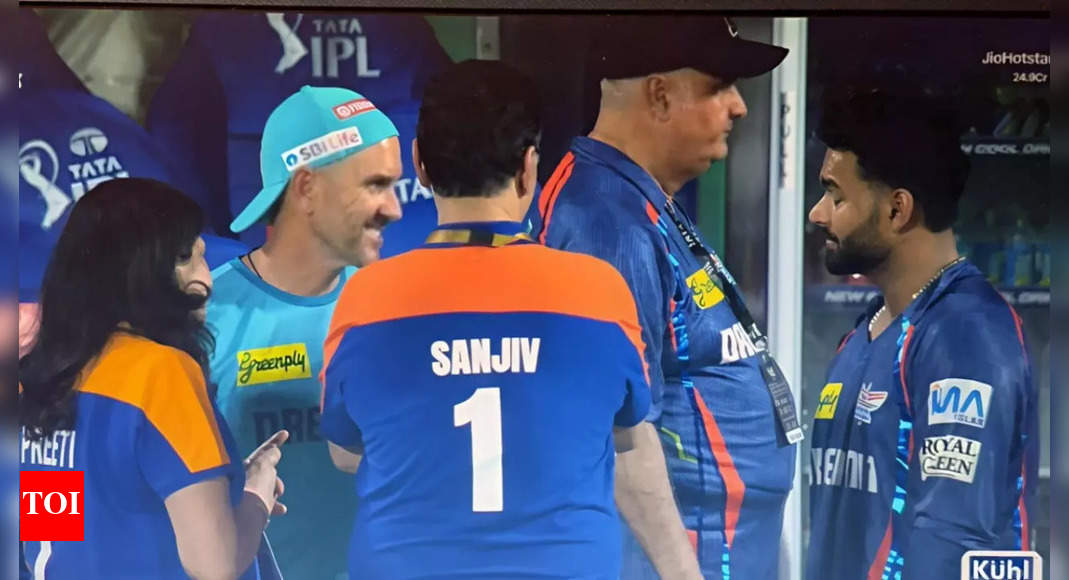
The Lucknow Super Giants (LSG) suffered a surprising defeat to the Delhi Capitals (DC) in their opening match of the IPL 2025 season, prompting a visible interaction between LSG owner Sanjiv Goenka and captain Rishabh Pant. This interaction has drawn comparisons to a similar instance in IPL 2024 involving Goenka and then-LSG captain KL Rahul, fueling speculation about the level of pressure Pant might be under. LSG had acquired Pant for a significant sum of Rs 27 crore in the mega auction, signifying a substantial investment and expectations for him to lead the team to its first IPL title. The match saw DC chasing a target of 210 runs. Despite LSG reducing DC to 113 for six, they failed to capitalize on the advantage. Ashutosh Sharma's remarkable innings of 66 not out from just 31 balls propelled DC to victory with one wicket to spare and three balls remaining. This unexpected loss cast a shadow over Pant's debut as LSG captain, highlighting areas for improvement in both his individual performance and leadership strategies. The defeat was particularly stinging given that LSG were in a commanding position at one stage. Sharma's aggressive batting display turned the tide decisively in DC's favor, leaving LSG to rue missed opportunities and questionable tactical decisions. Goenka's conversation with Pant and coach Justin Langer after the game suggests a desire for a quick turnaround and a more strategic approach in subsequent matches. The comparisons to the KL Rahul incident further amplify the scrutiny on Pant, adding an extra layer of pressure as he navigates his new role as LSG captain. The early-season loss will undoubtedly serve as a learning experience for Pant, who will need to demonstrate strong leadership and tactical acumen to guide LSG to success in the highly competitive IPL environment. The team's performance under his captaincy will be closely monitored, and any further slip-ups could invite more intense scrutiny from both the management and the fans.
Pant's individual performance in the match was underwhelming. He was dismissed for a duck off six balls, falling victim to the bowling of Kuldeep Yadav. While the match was a high-scoring affair, with multiple batsmen achieving strike rates above 200, Pant's inability to contribute significantly hampered LSG's momentum. Beyond his batting performance, Pant's captaincy decisions came under scrutiny, particularly regarding the utilization of Shardul Thakur. Thakur, who had taken two wickets in his first over, was surprisingly given only two overs in total. This decision raised eyebrows, as Thakur's experience and wicket-taking ability could have been crucial in containing DC's chase. In the crucial final two overs, with 22 runs needed, Pant opted to trust the inexperienced Prince Yadav over the seasoned Shardul Thakur. Prince Yadav conceded 16 runs, including two boundaries and a six, further shifting the momentum in DC's favor. This decision appeared to be a gamble that backfired, leading to questions about Pant's judgment under pressure. Even in the last over, with DC needing just a run per ball, Pant chose to employ left-arm spinner Shahbaz Ahmed instead of Shardul Thakur, who has a proven track record of securing victories for India in similar pressure situations. This decision was particularly perplexing, given Thakur's experience in handling tense moments and his ability to bowl deceptive slower balls. Furthermore, Pant missed a crucial stumping opportunity in the final over. While Shahbaz Ahmed bowled an excellent delivery that beat Mohit Sharma, Pant failed to collect the ball cleanly after it deflected off Sharma's pads. This missed opportunity could have potentially turned the game back in LSG's favor, highlighting the importance of sharp wicket-keeping skills in high-pressure situations. These instances cumulatively suggest that Pant needs to refine his tactical decision-making and leadership strategies to effectively guide LSG in future matches. The scrutiny on his captaincy choices will likely increase if LSG continues to struggle, underscoring the pressure that comes with leading a high-profile IPL team.
In his post-match presentation, Pant acknowledged the role of luck in the game, stating that the missed stumping opportunity could have changed the outcome. He emphasized the importance of focusing on playing better cricket rather than dwelling on such incidents. However, his comments did little to quell the concerns surrounding his captaincy and individual performance. Delhi Capitals' chase began disastrously, with the team reeling at 7-3 in the second over. The situation worsened as they lost five wickets for 65 runs. However, DC's captain Axar Patel contributed a quick 22 runs, while Tristan Stubbs added 34 to the chase, providing crucial support to Ashutosh Sharma's match-winning innings. The collective effort of DC's middle and lower order batsmen proved to be the difference between the two sides. The article also mentions that Faf du Plessis scored 29 in his first match for the team, though it is unclear which team this refers to, introducing some ambiguity into the narrative. Goenka's post-match interaction with Pant and Langer, while seemingly less intense than his previous discussion with KL Rahul, served as a subtle reminder for Pant to improve his performance. The pressure on Pant to deliver results is evident, and he will need to quickly adapt and learn from this defeat to guide LSG to success in the remainder of the IPL season. The upcoming matches will be crucial in determining whether Pant can overcome the early challenges and establish himself as a successful captain in the highly competitive IPL environment. The scrutiny on his performance, both as a batsman and a captain, will continue to be intense, and his ability to handle the pressure will be key to LSG's fortunes.
The comparison drawn to the KL Rahul episode is significant. Rahul, a seasoned IPL player and former captain of LSG, also faced public scrutiny from Goenka after a defeat in the previous season. The visual of Goenka animatedly speaking to Rahul on the field became a major talking point and raised questions about the team's internal dynamics. The current interaction with Pant, even if perceived as less intense, evokes similar concerns about the owner's direct involvement in team affairs and the potential pressure it puts on the captain. This type of public interaction is uncommon in professional sports and can be interpreted as a sign of dissatisfaction or lack of confidence in the captain's leadership. It also sets a precedent for future interactions, creating a sense of heightened accountability and potentially affecting the team's morale. The IPL is known for its high-pressure environment, and the additional scrutiny from the team owner can add an extra layer of complexity for captains. Balancing the expectations of the owner, the team management, and the fans requires strong leadership skills and the ability to remain composed under pressure. Pant's ability to navigate this challenging environment will be crucial in determining his success as LSG captain. The similarities between the Rahul and Pant incidents highlight a potential pattern of behavior from the LSG owner and raise questions about the team's overall management style. It will be interesting to observe how this dynamic evolves throughout the season and whether it ultimately impacts the team's performance.