
 |
|
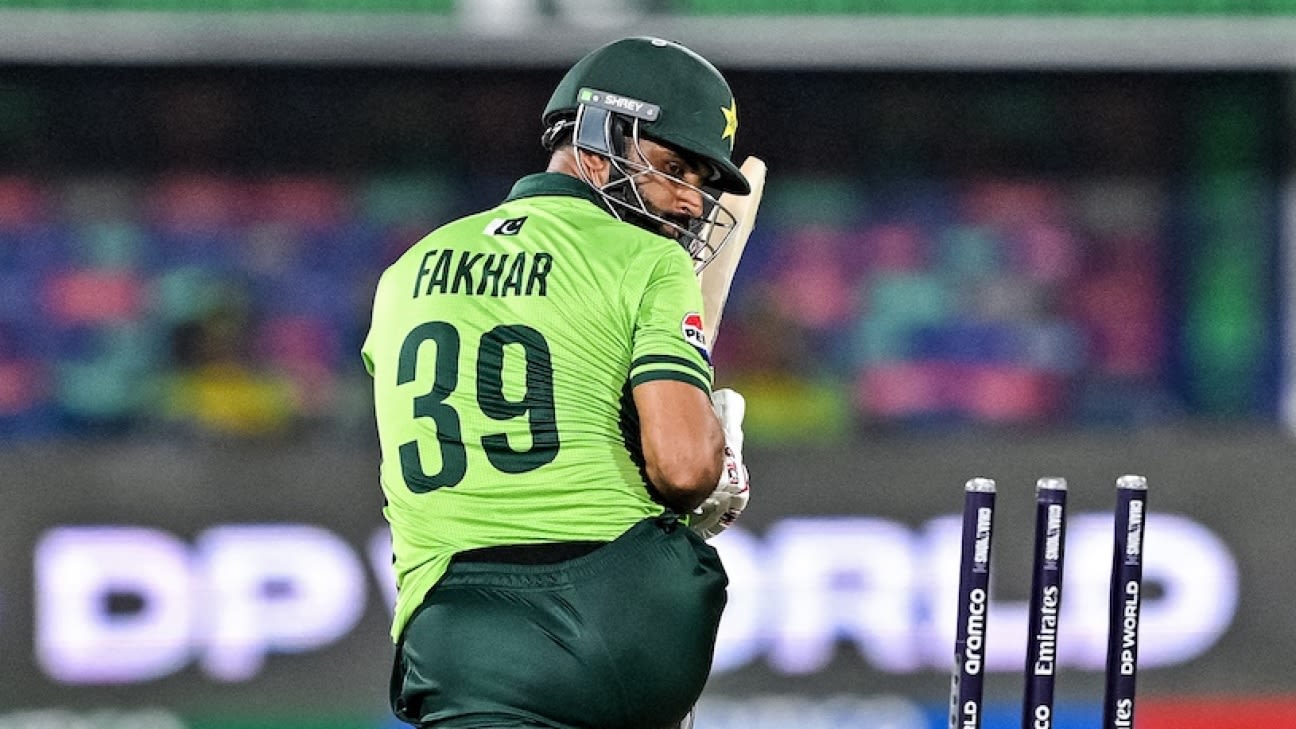
The Pakistan cricket team's participation in the Champions Trophy has suffered a significant setback with the unfortunate injury to opening batsman Fakhar Zaman. Zaman, a pivotal player in Pakistan's 2017 Champions Trophy victory, sustained an oblique injury during the tournament's opening stages. The injury, sustained while chasing a ball hit to the cover region, immediately hampered his ability to perform effectively. Despite attempting to continue, the discomfort he clearly displayed was evident throughout his innings, ultimately culminating in his withdrawal from the match. This devastating injury not only affects his personal contribution to the team but severely compromises Pakistan's chances of defending their title, given his significant role as an aggressive opening batsman.
The impact of Zaman's injury extends beyond his immediate absence from the current match. His absence leaves a void in the team's batting lineup, which has already been challenged by the loss of Saim Ayub due to a fractured ankle sustained in a recent test match against South Africa. The timing of these injuries presents a formidable challenge for Pakistan, highlighting the vulnerability of the team's batting strength and the fragility of athletic performance in the face of unpredictable injuries. The team's preparation and strategical adjustments will be heavily tested as they attempt to compensate for the absence of two key players.
The selection of Imam-ul-Haq as Zaman's replacement offers a glimmer of hope, but with significant caveats. While Imam boasts a respectable ODI record, averaging 48.27 with nine centuries from 72 matches, he lacks the same aggressive approach and recent international experience as Zaman. His last international appearance was in 2023, raising concerns about his current match fitness and ability to seamlessly integrate into the current team dynamics and high-pressure environment of the Champions Trophy. The team's reliance on Imam's batting prowess will be a key factor in determining their success in the remaining matches, especially given the elevated expectations for a defending champion.
Beyond the immediate cricketing concerns, Zaman's injury raises broader questions about player welfare and injury prevention in high-intensity professional sports. The rapid succession of significant injuries among key players suggests a possible need for reevaluation of training regimes, recovery protocols, and even the intensity of competitive play. Pakistan's cricketing authority may need to explore measures that minimize the risk of future injuries to safeguard their players' well-being and ensure the long-term competitiveness of the team. This situation serves as a stark reminder of the unpredictable nature of professional sports and the importance of robust injury management strategies within teams.
In summary, Fakhar Zaman's injury casts a long shadow over Pakistan's Champions Trophy campaign, creating uncertainty about their chances of retaining their title. The replacement, Imam-ul-Haq, brings a different style and a degree of uncertainty, leaving the team's performance heavily dependent on his ability to adapt to the demands of this high-profile tournament. The situation also underscores the critical importance of player health and injury prevention in professional sports, encouraging a deeper examination of training protocols and injury management practices to reduce the risk of future setbacks.
Source: Injured Fakhar Zaman ruled out of Champions Trophy; Pakistan call up Imam-ul-Haq