
 |
|
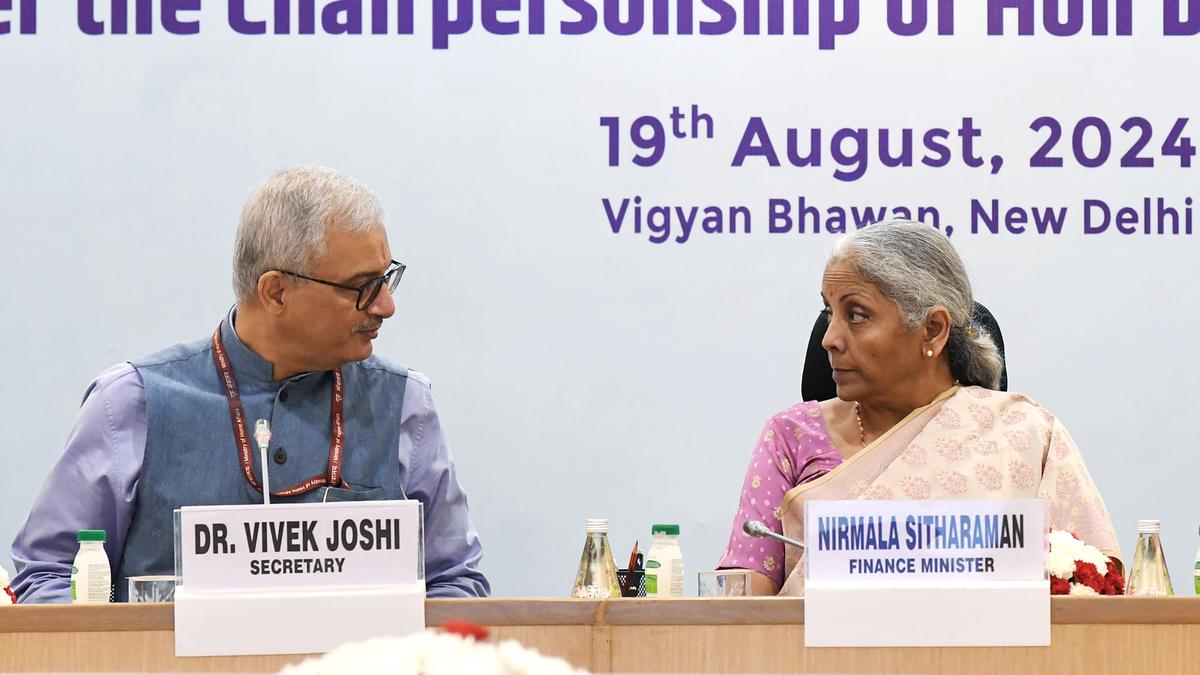
The appointment of Vivek Joshi as a new Election Commissioner in India on February 17, 2025, marks a significant development in the country's political landscape. Joshi, a seasoned 1989-batch Haryana-cadre Indian Administrative Service (IAS) officer, brings a wealth of experience to the role. His appointment restores the Election Commission to its full three-member strength, alongside Chief Election Commissioner (CEC) Gyanesh Prakash and Election Commissioner Sukhbir Singh Sandhu. This follows the retirement of the previous Election Commissioner, Rajiv Kumar. Joshi's extensive career in the Indian bureaucracy includes a tenure as Haryana's chief secretary, highlighting his profound understanding of administrative processes and governance within the country. His experience further extends to his time on Central deputation since January 2019, where he served as secretary, personnel in the Government of India, and Registrar General & Census Commissioner of India in the Ministry of Home Affairs. These roles provided him with a comprehensive overview of governmental operations and data management, skills invaluable in overseeing fair and transparent elections.
Joshi's appointment is not without its political context. His birth date of May 21, 1966, signifies that he will serve on the poll panel until 2031, a considerable term. This timeline suggests a clear path to his becoming the Chief Election Commissioner during the 2029 Lok Sabha elections, succeeding Gyanesh Kumar whose term ends on January 27, 2029. This succession plan highlights the importance of continuity and stability within the Election Commission. However, this appointment has also stirred political controversy. Leader of Opposition in the Lok Sabha, Rahul Gandhi, voiced his objections in writing during the selection committee meeting. Congress sources indicate that Gandhi was not present when the names were discussed. The Congress party's request for a deferment of the decision until the Supreme Court concludes its hearing on a petition challenging the composition of the selection panel underscores the sensitive nature of the appointment process and the potential for political influence.
The selection process itself is crucial to understanding the implications of Joshi's appointment. The Prime Minister heads the selection panel, a structure that has been subject to scrutiny and legal challenges. The Supreme Court hearing mentioned by the Congress party likely concerns the constitutionality and fairness of this selection process. The concerns raised by the opposition highlight the need for transparency and impartiality in the selection of individuals to such crucial positions. The appointment of Election Commissioners and the CEC is a matter of immense public interest, directly influencing the credibility and integrity of the electoral process. The ongoing Supreme Court case suggests a potential tension between the executive branch’s prerogative in appointing officials and the need for an independent and unbiased election body. The future will reveal whether Joshi's appointment solidifies the commission's neutrality or further fuels concerns about political influence within the electoral system.
The long-term implications of Joshi’s appointment are multifaceted. His extensive experience in administration suggests a potential for effective management of the complex logistical and procedural challenges of conducting elections across a vast and diverse nation like India. However, the ongoing legal challenges and the opposition's concerns underscore the potential for the appointment to be perceived as politically motivated, regardless of Joshi's individual qualifications and track record. The success of Joshi's tenure will ultimately depend not only on his own competence but also on the broader political climate and the ability of the Election Commission to maintain its independence and impartiality. His leadership in navigating the challenges of upcoming elections, particularly the 2029 Lok Sabha elections, will be closely scrutinized, and his decisions will have a profound impact on Indian democracy.
In conclusion, the appointment of Vivek Joshi as an Election Commissioner is a pivotal moment in Indian politics. His background and experience make him a qualified candidate, but the political controversies surrounding the appointment and the ongoing Supreme Court case raise concerns regarding the impartiality of the process. The coming years will demonstrate the extent to which Joshi’s leadership can ensure the integrity of the electoral process and address the anxieties raised by his appointment. The watchword for Joshi and the Election Commission will be to maintain transparency, fairness, and to uphold the principles of free and fair elections, which are foundational to a healthy democracy.