
 |
|
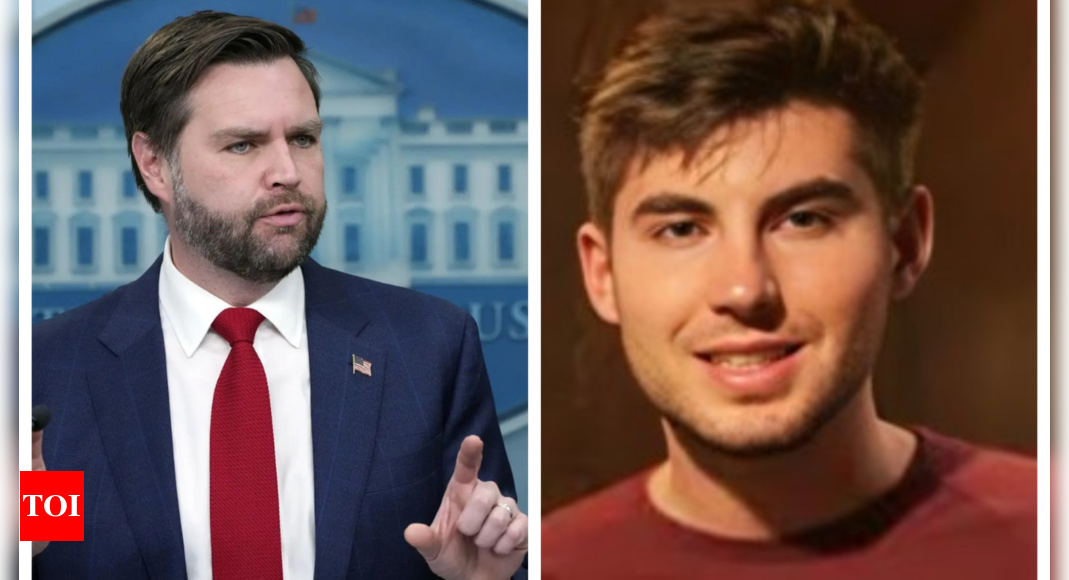
The controversy surrounding Marko Elez, a 25-year-old staffer at DOGE, and the subsequent defense of his rehiring by Vice President JD Vance has ignited a heated debate about the implications of past social media activity on current employment opportunities. Elez's resignation followed the resurfacing of several now-deleted racist and inflammatory posts, including statements expressing blatant prejudice against Indians and wishing harm upon Israel and Gaza. These posts, which included phrases like "Normalize Indian hate" and "I would not mind at all if Gaza and Israel were both wiped off the face of the Earth," prompted widespread condemnation and calls for accountability.
Vice President Vance, despite being married to a woman of Indian descent, defended his stance on rehiring Elez, arguing that past social media activity shouldn't ruin someone's life. This position has drawn significant criticism, particularly from Democratic Congressman Ro Khanna who even involved Vance’s children in the public debate. Vance's justification centered on the argument that Elez is merely a staffer, not a cabinet secretary, and that the media, specifically the Wall Street Journal, had amplified the story unnecessarily, creating a wave of online condemnation. He framed the criticism as a politically motivated attack from ‘maladjusted leftwingers’ attempting to destroy a young man's career.
Journalist Zaid Jilani offered a contrasting viewpoint, arguing that while firing Elez wouldn't necessarily ruin his life, it did underscore a lack of professionalism unfit for a high-level government position. Jilani suggested that perhaps a period of reflection and personal growth would be more appropriate before seeking such a role. This perspective underscores a crucial distinction between forgiveness and suitability for a position of responsibility. The debate highlights a broader societal question: at what point does past behavior disqualify an individual from future opportunities, and where should the line be drawn between accountability and the potential for redemption?
The incident also touches upon the broader implications of social media's role in shaping public perception and the potential for past online activity to haunt individuals throughout their careers. The speed with which information spreads online and the permanence of digital records create unique challenges in balancing individual rehabilitation with societal expectations of ethical conduct. The use of social media platforms for expressing bigoted views should not be taken lightly and the consequences, even after deleting the content, should be considered thoroughly. Is it enough for someone to delete offensive posts and apologize for past mistakes? Should past errors be forgiven? Or should we hold individuals accountable for potentially harmful actions that might have occurred years prior? There are no easy answers, and the Elez case serves as a stark reminder of the complexities involved.
Furthermore, the role of the media in shaping public discourse and the potential for biased coverage to affect individual lives deserves attention. Vance's accusation that the Wall Street Journal played up the story suggests the possibility of media influence in swaying public opinion. This raises questions regarding journalistic responsibility and the potential for media outlets to contribute to the escalation of online 'pile-ons' with significant impact on individuals' careers. A balanced approach that weighs public interest with the protection of individual rights is necessary to prevent unfair characterization and prevent individuals from being disproportionately affected by past errors. In conclusion, this case highlights the complexities of navigating modern media, personal accountability, and professional standards in the age of social media. The incident presents a case study in the evolving dynamics between social media, public opinion, and individual responsibility.