
 |
|
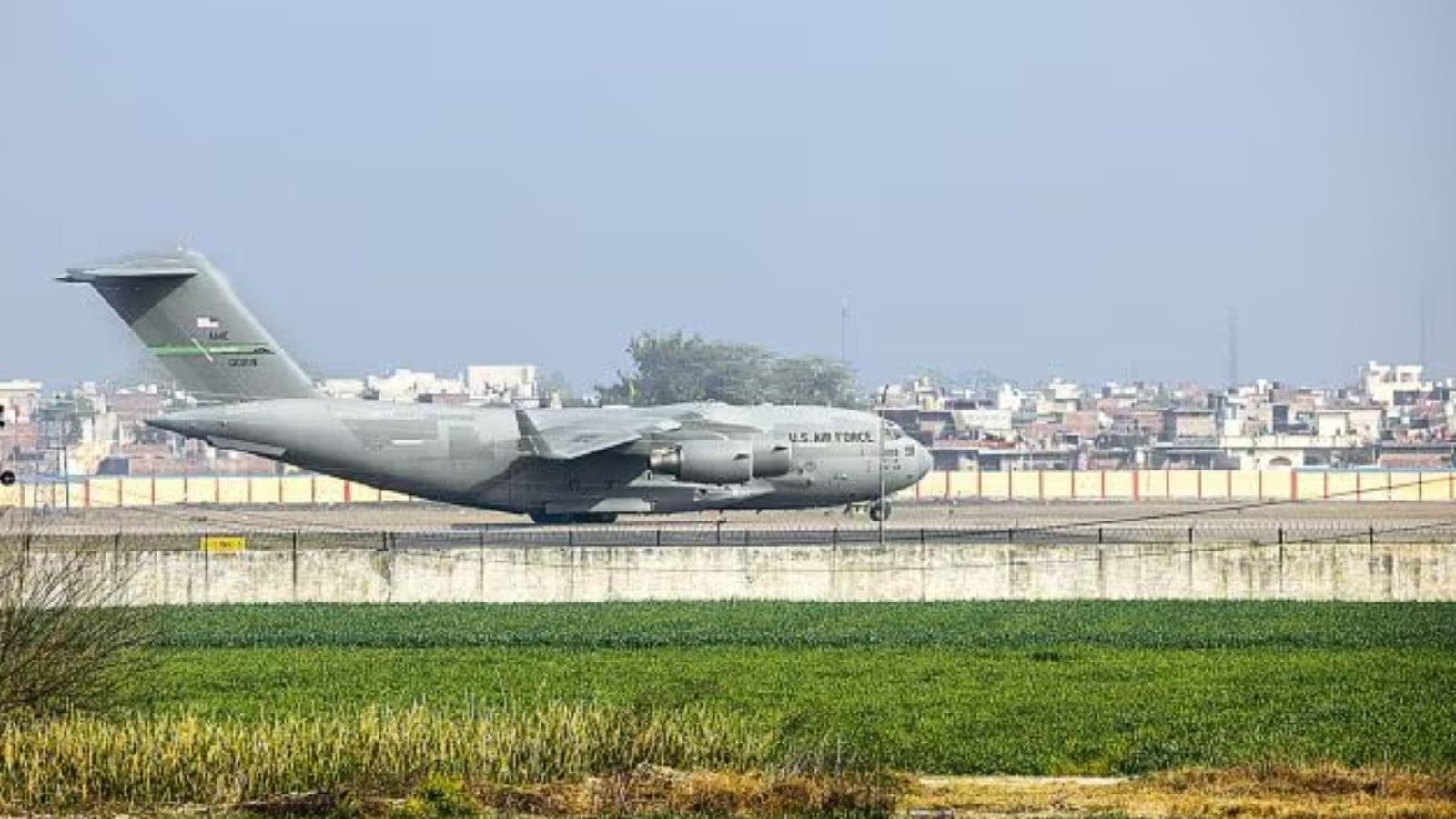
The recent deportation of Indian nationals from the United States has sparked significant controversy and raised concerns about the treatment of those being returned. A second flight carrying 119 deportees landed in Amritsar, India, on Saturday, following a previous flight on February 5th which brought 104 individuals. The second flight contained a diverse group of individuals, with 67 hailing from Punjab, 33 from Haryana, and smaller numbers from several other states. This contrasts with the first flight, where the majority of passengers were from Haryana, Gujarat and Punjab. The disparity in origin between flights raises questions about the selection process employed by US authorities in determining which individuals are included in each deportation flight. It's also worth noting that the composition of the flights in relation to states of origin could reflect differing patterns of illegal immigration from these regions into the United States.
A key difference between the two flights lies in the reported treatment of the deportees. Sources indicate that the passengers on the second flight were not in chains, unlike those on the first flight. This change follows widespread criticism and outrage in India over the alleged 'dehumanizing' treatment of the individuals on the initial flight. The incident led to intense debate in the Indian Parliament, with the foreign minister promising to raise the issue with the US government. The contrast in treatment highlights the potential for inconsistent and possibly discriminatory practices in the deportation process. The shift in treatment suggests that the initial outcry and subsequent diplomatic pressure had an impact, leading to improvements in the handling of deported citizens.
The issue of illegal immigration from India to the United States is a complex one, with multiple factors contributing to the flow of people seeking better opportunities abroad. Many of those deported had used the illegal 'dunkey' route, paying substantial sums to unscrupulous agents who facilitate dangerous and often exploitative journeys that can last several months. Following the initial deportations, Punjab and Haryana governments reportedly arrested numerous such agents, signifying efforts to address the organized crime networks involved in facilitating illegal immigration. The crackdown on these agents underscores the scale of the problem and the need for coordinated efforts to combat human trafficking and illegal immigration.
The issue was discussed during Prime Minister Narendra Modi's recent visit to the United States. Foreign Secretary Vikram Misri's statement emphasized a commitment from both countries to streamline avenues for legal immigration, while simultaneously cracking down on illegal immigration and human trafficking. This suggests a bilateral understanding that addressing both legal and illegal immigration pathways is crucial. While the statement highlights a commitment to improve legal avenues for Indian citizens, the ongoing deportations indicate that the US is also taking a firm stance against illegal immigration. The balancing act between facilitating legitimate migration and deterring illegal immigration will likely continue to shape relations between the two nations.
The upcoming third flight, scheduled for February 16th, adds another layer to the situation. It remains unclear whether the US or the Indian government will arrange this flight, raising questions about the coordination and responsibility shared between the two countries. This uncertainty emphasizes the evolving nature of the situation and ongoing negotiations between the two governments concerning the processes involved in the deportation of Indian nationals from the United States. The continued deportations, even after the initial public outcry, demonstrate the ongoing challenges and complexities associated with international immigration enforcement and the sensitive human rights aspects involved. The long-term implications of these deportations, both domestically within India and internationally regarding the relationship between India and the United States, will require continued monitoring and analysis.
Source: Second flight of deportees from US to land at Amritsar on Saturday, third could follow soon