
 |
|
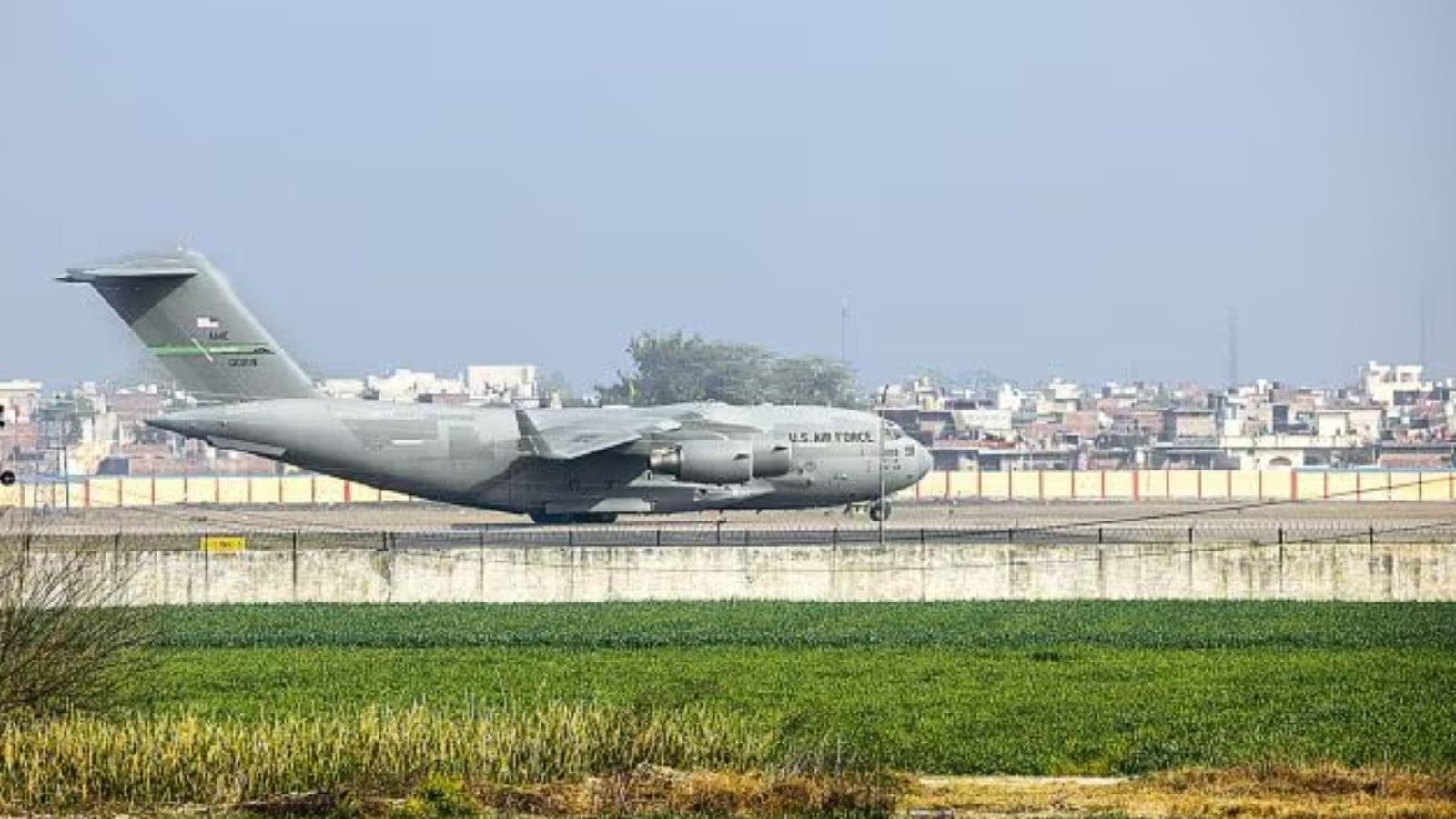
The recent deportation of Indian nationals from the United States has sparked significant political and humanitarian concern. A second chartered flight carrying 119 Indian deportees landed at Amritsar's international airport on Saturday, following a previous flight on February 5th which transported 104 individuals. The timing of these flights, occurring in rapid succession, underscores the urgency and scale of this ongoing repatriation. The composition of the deportees, predominantly originating from Punjab, Haryana, and Gujarat, highlights the geographic distribution of those impacted by this action. The reported difference in treatment between the first and second groups, with the second group reportedly not being in chains, indicates a potential response to the considerable public outcry following the first flight's arrival. The earlier flight's handling generated immense controversy, with accusations of inhumane treatment leading to heated debates within the Indian Parliament and prompting official diplomatic engagement between the two nations.
The discrepancy in the treatment of deportees between the two flights reveals a significant shift in approach. The initial flight, fraught with allegations of dehumanizing conditions, led to widespread condemnation and calls for accountability. The Indian government, facing intense political pressure, responded swiftly by promising to address the concerns raised with the US authorities. The alteration in the treatment of the deportees on the subsequent flight suggests a direct response to this pressure and a possible reevaluation of the deportation process on the US side. However, the fundamental issues surrounding the deportations remain largely unresolved. The underlying cause – illegal immigration – is a complex issue requiring collaborative solutions, rather than unilateral actions that may inadvertently compromise human rights.
The ongoing dialogue between the Indian and US governments is crucial to resolving the situation. Foreign Secretary Vikram Misri's statement, referencing commitments from both sides to streamline legal immigration pathways and combat illegal immigration and human trafficking, suggests a pathway toward a more coordinated approach. This commitment highlights the recognition of the need for a more humane and legally sound system for both legal immigration and the treatment of those facing deportation. The ongoing arrests of agents involved in facilitating illegal immigration in India demonstrate the seriousness of the issue and the efforts to address its root causes. The implication is that while governments are cracking down on illegal practices, the focus needs to also encompass solutions that balance the need for border control with the respect for human rights.
The narrative surrounding these deportations extends beyond the immediate political fallout. It reveals deeper challenges related to international migration and the vulnerability of individuals who undertake perilous journeys in search of better opportunities. The stories of those deported, including accounts of months-long journeys and substantial financial investments in unscrupulous agents, paint a picture of desperation and exploitation. These circumstances emphasize the need for more robust and ethical migration pathways that safeguard the rights and well-being of migrants. These events also highlight the broader debate on immigration policies, the ethical treatment of deportees, and the need for international cooperation to address the complex issues surrounding human mobility.
Looking ahead, several key questions remain unanswered. The exact mechanisms employed in the deportation process, the precise legal grounds for deportation in each case, and the extent to which both governments are committed to improving the treatment of deportees are still subject to scrutiny. Transparency and accountability in these processes are crucial to building trust and addressing underlying concerns. The long-term consequences of these events remain uncertain but point to the need for proactive measures to prevent future incidents and ensure that all aspects of the immigration process respect fundamental human rights. The ongoing diplomatic efforts must not only address the immediate crisis but also contribute to the development of lasting solutions that promote safe and legal migration practices.
Source: Second flight of deportees from US to land at Amritsar on Saturday, third could follow soon