
 |
|
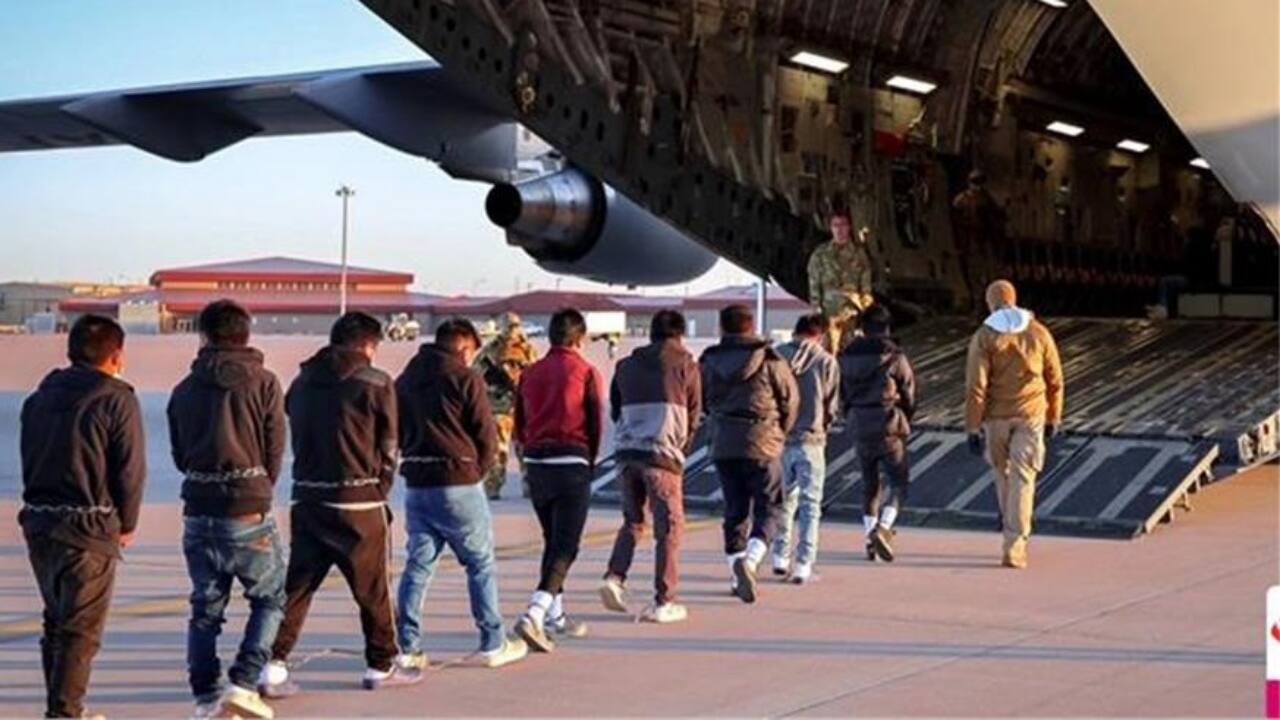
The recent deportation of 116 Indian nationals from the United States, arriving in Amritsar, India, has sparked renewed debate surrounding the Trump administration's immigration policies and the treatment of deportees. While male deportees reported being shackled during the flight, sources claim women and children were not restrained. This discrepancy raises significant questions about the fairness and consistency of the deportation process and the potential for differential treatment based on gender and age. The event underscores the complex humanitarian and legal issues surrounding mass deportations and the ethical considerations inherent in such actions. The sheer scale of the deportation, constituting a second batch of Indians returned under the Trump administration's crackdown on illegal immigration, highlights the continuing impact of these policies on families and communities both in the US and in India.
The claim that women and children were not restrained during the flight, while the men were, presents a compelling case for further investigation. This apparent disparity in treatment requires a thorough examination of the protocols and procedures used during the deportation process. Was this a deliberate decision, a consequence of logistical limitations, or simply an oversight? Understanding the rationale behind this difference is crucial for evaluating the overall fairness and humanity of the operation. The absence of restraints for women and children may seem less harsh, but it also raises questions about potential safety concerns for vulnerable individuals during a long-distance flight. Was sufficient support and care provided to these individuals during the journey?
The incident highlights the broader issue of immigration enforcement and the human cost of restrictive policies. While the Trump administration justified its actions as part of a necessary crackdown on illegal immigration, critics argue that such measures are overly punitive and often disproportionately affect vulnerable populations. The specific details of the individuals deported—their reasons for being in the US, their legal status, and their experiences before, during, and after the deportation—need to be examined to gain a comprehensive understanding of the human impact. This event emphasizes the need for a more compassionate and humane approach to immigration enforcement, one that prioritizes the well-being and safety of all individuals, regardless of their immigration status. The focus should shift towards comprehensive immigration reform that addresses the underlying causes of migration while ensuring the dignity and rights of all individuals involved.
Beyond the immediate humanitarian concerns, the incident also raises questions about international relations and diplomatic ties between the US and India. The deportation of such a large number of Indian citizens could strain relations between the two countries if not handled appropriately. Open communication and collaboration are vital to addressing any concerns regarding the treatment of deportees and to preventing future incidents. This incident underscores the importance of maintaining respectful and constructive dialogue between governments to resolve immigration issues in a way that safeguards human rights and respects international norms. The long-term effects of such policies on bilateral relations should be carefully considered.
Furthermore, the incident underscores the urgent need for increased transparency and accountability in the deportation process. Independent oversight and monitoring mechanisms are essential to ensure adherence to international human rights standards and to prevent abuses of power. The ability of deportees to share their experiences and for independent bodies to investigate such incidents is crucial for establishing accountability and building trust. The lack of clear information surrounding the circumstances of the deportation, particularly the differences in treatment between male and female deportees, highlights the need for improved transparency and access to information for both the public and relevant oversight bodies. A full and independent investigation is essential to understand the full picture and to prevent similar incidents in the future.
Source: US deportation: Women, children 'not restrained' during flight, say sources