
 |
|
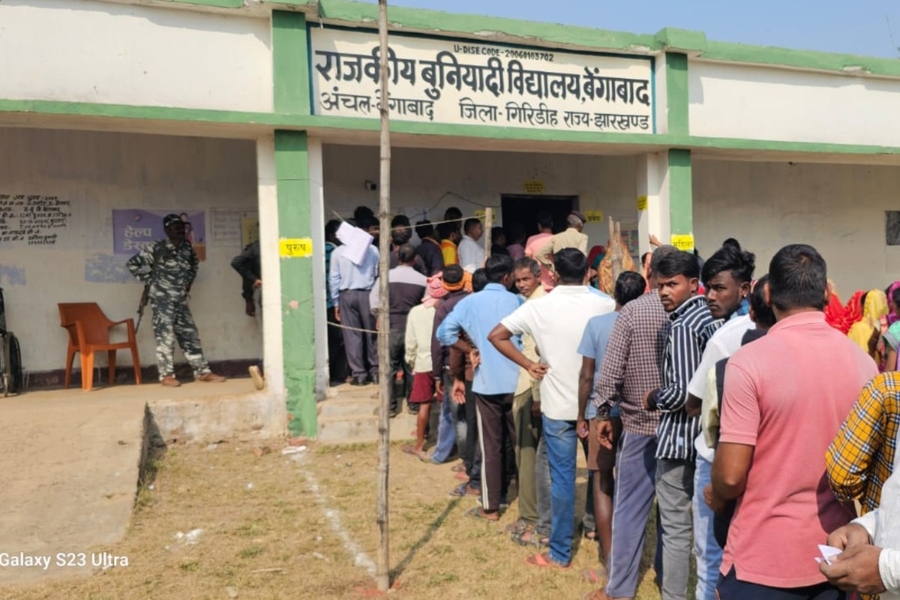
The revelation that the US Department of Government Efficiency (DOGE), an entity seemingly fictionalized in the context of this article, cancelled $21 million in funding intended to influence voter turnout in India has ignited a firestorm of controversy within the Indian political landscape. The claim, regardless of its factual basis, has reignited long-standing debates about foreign interference in India's electoral processes, prompting a barrage of accusations and counter-accusations from prominent political figures. The sheer magnitude of the alleged funding, coupled with the implications of foreign influence on a nation's democratic foundation, has understandably caused significant alarm and fueled intense political maneuvering.
Sanjeev Sanyal, an economic advisor to Prime Minister Narendra Modi, spearheaded the initial wave of outrage. He vehemently condemned the USAID's actions, labeling the $21 million allocation for India, alongside similar funding for Bangladesh and Nepal, as the 'biggest scam in human history.' This strongly worded statement highlights the sensitivity surrounding foreign involvement in India's internal affairs and the perceived threat to its sovereignty. Sanyal's call for investigation into the recipients of these funds underscored the deep suspicion surrounding the potential for manipulation and undermines public trust in the integrity of the electoral process.
The Bharatiya Janata Party (BJP), currently in power, took the accusations further, injecting a layer of personal attacks and conspiracy theories. Amit Malviya, a prominent BJP leader, directly implicated billionaire George Soros, a known critic of the Modi government, alleging his involvement in the transaction. This move effectively framed the controversy not simply as foreign interference, but as a targeted attempt by political opponents to undermine the BJP's electoral prospects. By associating Soros with the Congress party, the BJP attempted to paint a picture of a coordinated, internationally-backed plot against the ruling government. This strategy cleverly shifted the focus from the factual nature of the funding to a more emotionally charged narrative of betrayal and foreign subversion.
The Congress party, however, swiftly countered these accusations, effectively turning the BJP's strategy against them. Congress leader Pawan Khera highlighted that the alleged 2012 Memorandum of Understanding (MoU) between the Election Commission of India (ECI) and USAID was signed during the Congress party's tenure. Khera’s rhetorical question – if the Congress party had sabotaged its own election through foreign interference, how did the BJP win in 2014? – effectively undermined the BJP’s narrative. This strategic counterattack demonstrates a skillful manipulation of the timeline and the implication of guilt by association, shifting the blame and forcing the BJP to defend its own past actions.
Adding another layer of complexity to the situation is the categorical denial by former Chief Election Commissioner S.Y. Quraishi. He vehemently refuted any involvement of US agency funding in voter turnout initiatives during his tenure. Quraishi's statement, if accurate, significantly weakens the BJP's claims of foreign manipulation of Indian elections. This highlights the importance of verifying the source of information and the risk of making accusations based on unsubstantiated allegations. The debate highlights the need for transparency and accountability in international aid and the importance of maintaining the integrity of the electoral process.
The controversy surrounding the alleged $21 million in US funding intended to influence Indian voter turnout is far from resolved. The clash of accusations and counter-accusations reflects the deep political divisions within India and the intense scrutiny placed on any perceived foreign involvement in its electoral process. While the specifics of the alleged funding remain contested, the broader issue of foreign interference in democratic processes, the potential for misuse of international aid, and the importance of maintaining public trust in electoral integrity remain central to the ongoing debate. The incident underscores the complexities of international relations, the sensitive nature of electoral politics, and the powerful role of narratives and counter-narratives in shaping public perception.