
 |
|
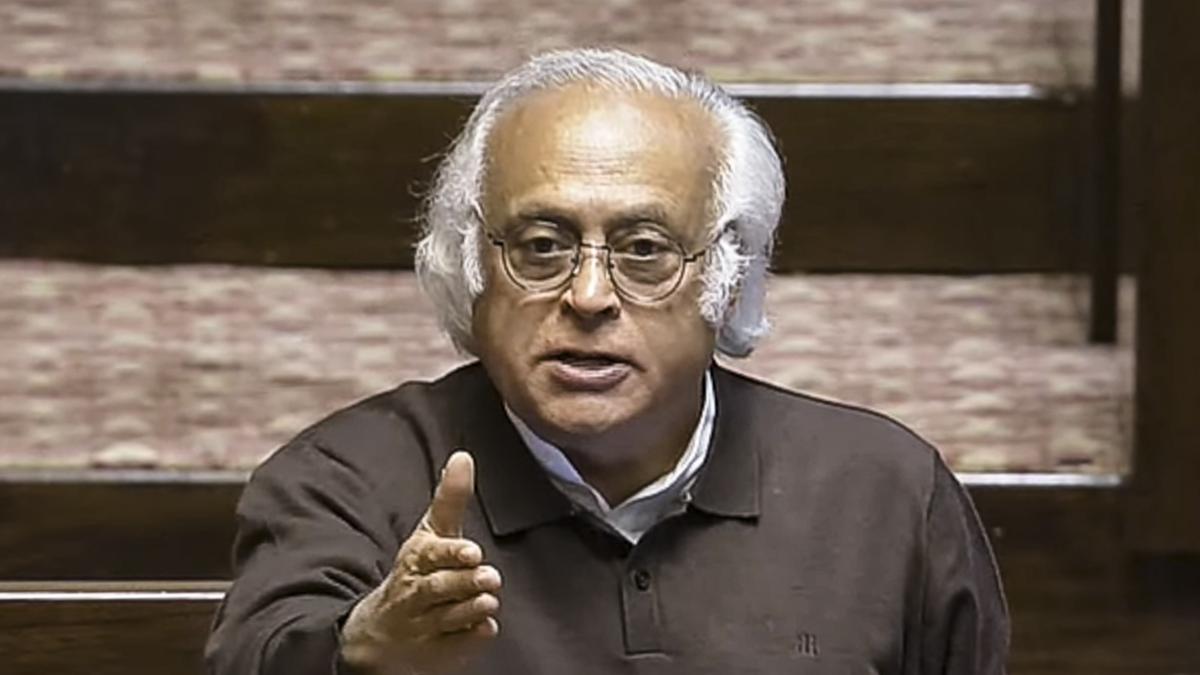
The Indian political landscape is currently embroiled in a heated debate surrounding the potential impact of US President Donald Trump's proposed reciprocal tariffs on India's Goods and Services Tax (GST). Congress leader Jairam Ramesh has publicly accused Trump's tariff proposals of threatening the very existence of the GST system in India. His statement, delivered on February 19th, 2025, highlights a key point of contention: the inherent structure of GST, which applies to imports but not exports. This structural element, Ramesh argues, is now being challenged by Trump's actions, raising concerns about India's national sovereignty and economic independence. The Congress party's critique extends beyond the immediate threat to GST. It serves as a broader indictment of Prime Minister Narendra Modi's perceived inaction and reluctance to challenge Trump's policies, directly contrasting Modi's self-proclaimed image as a global leader ('Vishwaguru'). The statement implicitly questions Modi's ability to safeguard India's economic interests on the international stage, particularly when faced with pressure from a powerful global leader. This political maneuver by the Congress party aims to capitalize on the potential economic fallout from Trump’s actions, painting Modi’s government as weak and unprepared to defend India's economic interests. The strategic timing of the statement, coinciding with the announcement of the potential tariffs, underscores its importance in the ongoing political battle between the ruling BJP and the opposition Congress party.
The core of the controversy revolves around the interplay between national sovereignty, international trade agreements (particularly under the World Trade Organization framework), and the domestic implementation of a consumption tax like GST. Trump's proposed tariffs, framed as a response to what the White House considers 'unfair' taxes, directly target value-added taxes such as GST. This presents a direct challenge to India's economic policy and its ability to design its own tax structure. The implication is that foreign interference, in the form of retaliatory tariffs, could cripple a crucial component of India's economic system. The Congress party's concern is not merely about the immediate threat; it also touches upon the implications for future trade agreements and the potential setting of precedents for other countries to impose similar measures on India's tax system. The argument is that if India acquiesces to Trump's demands, it could embolden other nations to apply similar pressure, undermining India's ability to control its own economic policy and thereby impacting its national sovereignty. Furthermore, the debate highlights the complexities of navigating global trade relations, particularly when dealing with powerful nations that may not always adhere to international norms or established trade agreements.
Beyond the immediate political maneuvering and the debate on national sovereignty, the Congress party is also using this opportunity to push for much-needed reforms to the GST system itself. They advocate for a ‘GST 2.0,’ which they believe would make the tax system more ‘Good and Simple,’ aligning with its original intent. This calls for a reduction in tax rates and substantial improvements to compliance rules. The party's push for GST 2.0 is not entirely unrelated to the current crisis. The argument is that a simpler, more efficient GST system would be better equipped to withstand external pressures and ensure its long-term sustainability. The suggestion is that current complexities within the system make it more vulnerable to external threats, and a streamlining of processes and tax bands would strengthen India's resilience against such pressures. This dual approach, criticizing the Modi government's response to Trump while simultaneously advocating for domestic reforms, demonstrates a strategic political move aimed at both attacking the current administration and presenting a constructive alternative. The convergence of external threats and internal systemic issues provides fertile ground for the Congress party to simultaneously attack and propose solutions, solidifying its position in the ongoing political narrative.