
 |
|
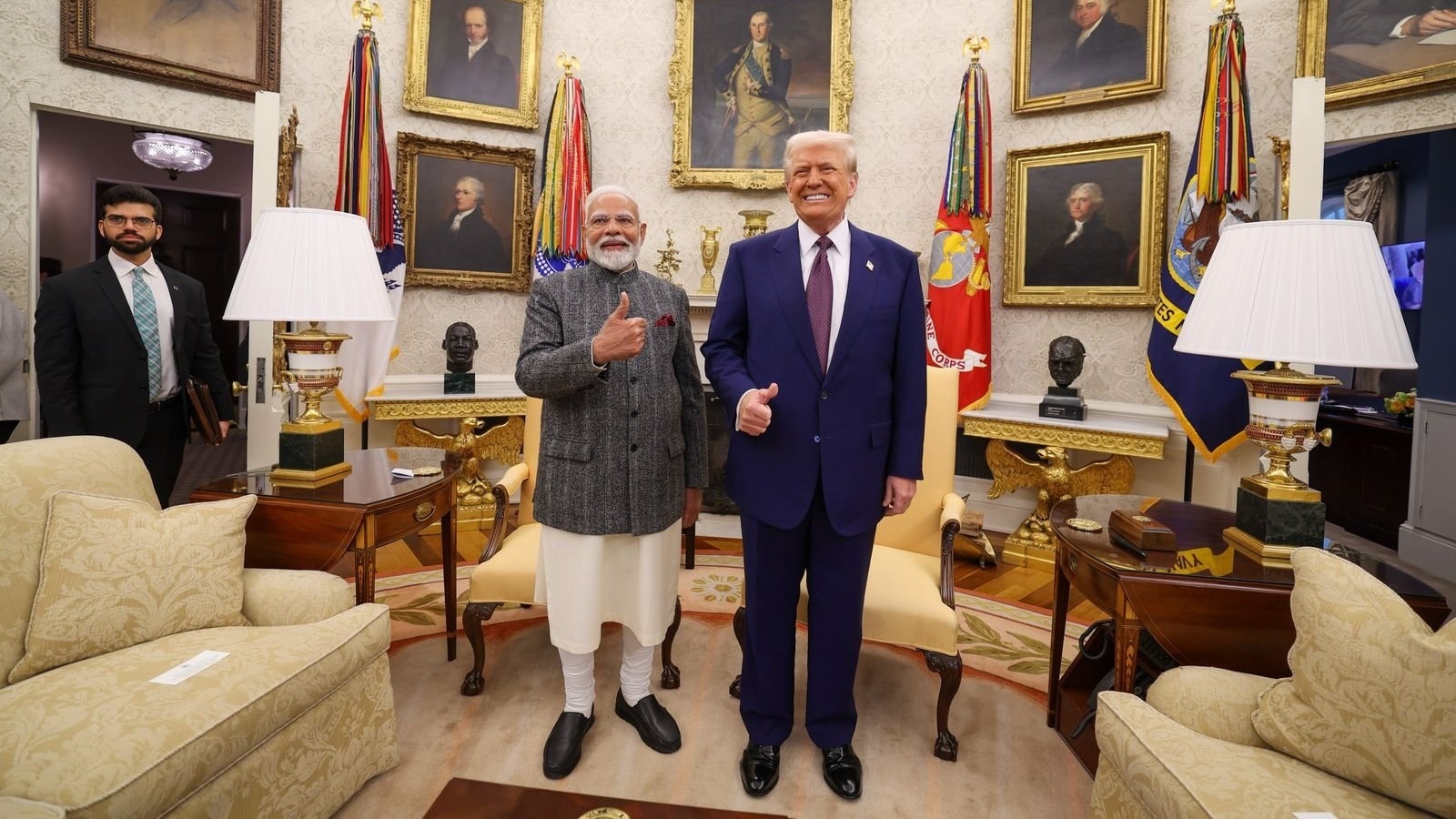
The recent meeting between US President Donald Trump and Indian Prime Minister Narendra Modi has cast a shadow of uncertainty over the burgeoning trade relationship between the two nations. Trump's declaration of a reciprocal tariff policy, essentially mirroring any tariffs imposed by India, has sent ripples through the economic landscape, particularly in India. While India had hoped for trade concessions that would open up the American market to Indian products, Trump's stance suggests a far less conciliatory approach. This unexpected turn of events raises significant concerns about the potential economic consequences for India, a nation with a substantial trade surplus with the United States, built largely on exports of electronics, pharmaceuticals, and textiles. The declaration departs from earlier suggestions that a trade deal would alleviate trade tensions.
The core of the dispute lies in the significant difference in tariff rates between the two countries. India's tariffs, particularly on agricultural products, textiles, and pharmaceuticals, are considerably higher than those levied by the United States. This disparity has been a point of contention for some time, with figures like Elon Musk openly criticizing India's tariffs as ‘unfair’ and amounting to a ‘100 percent import duty.’ Musk's high-profile criticism, given his advisory role to the US government and leadership position at Tesla and X, underscores the seriousness of the trade imbalance and the weight of the concerns within the US administration. The high tariffs are seen by the US as protectionist measures that undermine fair competition and hinder American businesses’ access to the Indian market.
The potential impact of reciprocal tariffs on India's economy is a matter of serious debate and analysis. Goldman Sachs, in a recent report, highlighted various scenarios, including country-level reciprocity, product-level reciprocity, and reciprocity through non-tariff barriers. Each scenario presents a different level of complexity and potential economic impact. Country-level reciprocity, while the simplest to implement, would still have significant consequences. Product-level reciprocity, involving the matching of US tariffs to each Indian imported product, would be far more complex and time-consuming. Reciprocity via non-tariff barriers, like administrative restrictions or import licenses, would be the most difficult to implement and predict, yet potentially the most disruptive to trade. These variations in implementation method highlight the unpredictable nature of the potential fallout.
Goldman Sachs’ analysis projects a potential decrease in India's GDP growth ranging from 0.1 to 0.3 percentage points under different scenarios of increased US tariffs on Indian exports. However, if the US were to impose global tariffs, encompassing exports routed through third countries, the impact on India could be significantly greater – potentially reducing GDP growth by 0.1 to 0.6 percentage points. This significant difference emphasizes the interconnectedness of global trade and the far-reaching consequences of unilateral trade policy changes. The report highlights that India's gross exports to the US are relatively low compared to its emerging market peers, at 2% of its GDP. This makes it susceptible to the ripple effects of trade disputes, even though the overall trade surplus remains substantial.
Beyond the immediate economic considerations, the Trump administration's approach raises broader questions about the future of US-India trade relations. The statement reflects a shift in US policy towards a more protectionist stance, abandoning previous hopes for a mutually beneficial trade agreement. This could signal a prolonged period of tension and uncertainty in the bilateral economic relationship. The implications extend beyond the two nations involved, influencing global trade dynamics and the broader geopolitical landscape. The episode serves as a reminder of the intricate and often unpredictable nature of international trade relations and the significant leverage that major economies wield in shaping global economic outcomes. The next few months will be crucial in observing how India responds to this challenge and whether a negotiated settlement can be reached to mitigate the potential negative impacts on both countries.
Source: ‘Whatever you charge…’: What Trump said on tariff talks with PM Modi