
 |
|
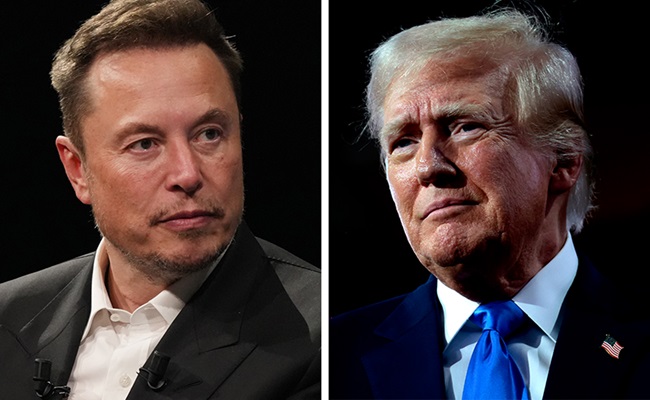
The ongoing tension between the United States and India regarding trade policies has taken a new turn with the involvement of Tesla and its CEO, Elon Musk. Former US President Donald Trump's recent criticism of Tesla's potential expansion into the Indian market highlights the complex interplay of international trade, national interests, and the ambitions of multinational corporations. Trump's assertion that Tesla establishing a factory in India would be "unfair" to the US underscores the protectionist sentiments underlying his trade policy. This perspective stems from a broader concern within the Trump administration regarding what was perceived as unfair trade practices by other nations, particularly the imposition of high tariffs on US goods. The issue with Tesla and India showcases how these larger trade concerns manifest in specific business decisions and create uncertainty for investors and businesses operating globally.
The core of the conflict lies in India's previously high import tariffs on electric vehicles (EVs). These tariffs, approaching 100%, presented a significant barrier to entry for Tesla and other foreign automakers. Trump accurately highlighted the difficulties these tariffs created for Tesla's entry into the Indian market, echoing Musk's own previous complaints about the barriers to entry. The tariffs were designed to protect domestic automakers, most notably Tata Motors, India's largest automaker. This protectionist measure, while aimed at fostering domestic growth, also inhibited competition and limited consumer choice within the Indian automotive sector. The high tariffs also presented a strategic challenge for Tesla, forcing the company to navigate a complex regulatory landscape while attempting to expand its market reach in a key emerging economy.
India's subsequent introduction of a new EV policy in March, which significantly reduced import taxes to 15% under specific conditions, attempted to address some of these concerns. The caveat of requiring a $500 million investment and the establishment of a manufacturing facility within India demonstrates the Indian government's attempt to balance encouraging foreign investment in the EV sector with protecting its domestic industries. This policy aimed to attract investment and technology transfer while simultaneously stimulating domestic EV production. While this move alleviated some of the initial hurdles for companies like Tesla, the controversy surrounding it underscores the complex relationship between governments and multinational companies when navigating global trade regulations. The policy change highlights the delicate balance between fostering domestic economic growth and welcoming foreign investment in an increasingly competitive global market.
Trump's reaction underscores a broader tension in global trade relations. His assertion that "every country in the world takes advantage of us" reflects the protectionist stance prevalent during his presidency. This stance advocates for policies that prioritize domestic industries over international trade, often employing tariffs as a tool to level the playing field. Trump's proposed reciprocal tariffs on countries that impose taxes on US imports further illustrate this strategy. Such a stance, while aiming to protect US interests, also carries the risk of escalating trade wars, leading to reciprocal retaliatory measures and potential economic harm for all involved parties. The Tesla-India situation serves as a microcosm of this larger, global trade debate, demonstrating how individual business decisions are intertwined with broader geopolitical strategies and the enduring challenges of navigating international trade relations.
The future of Tesla's operations in India remains uncertain, depending on how the company chooses to navigate the evolving regulatory landscape and the broader geopolitical tensions between the US and India. The company's plans to open showrooms in major Indian cities indicate an interest in exploring the market, but the long-term success of these ventures hinges on the resolution of the trade-related issues and the long-term viability of its business model within the Indian market. The situation also highlights the need for a more nuanced understanding of international trade policies and the challenges faced by multinational corporations operating in diverse and complex regulatory environments. The interplay of domestic policies, international trade agreements, and the strategic decisions of major corporations such as Tesla will continue to shape the future of global trade relations for years to come.