
 |
|
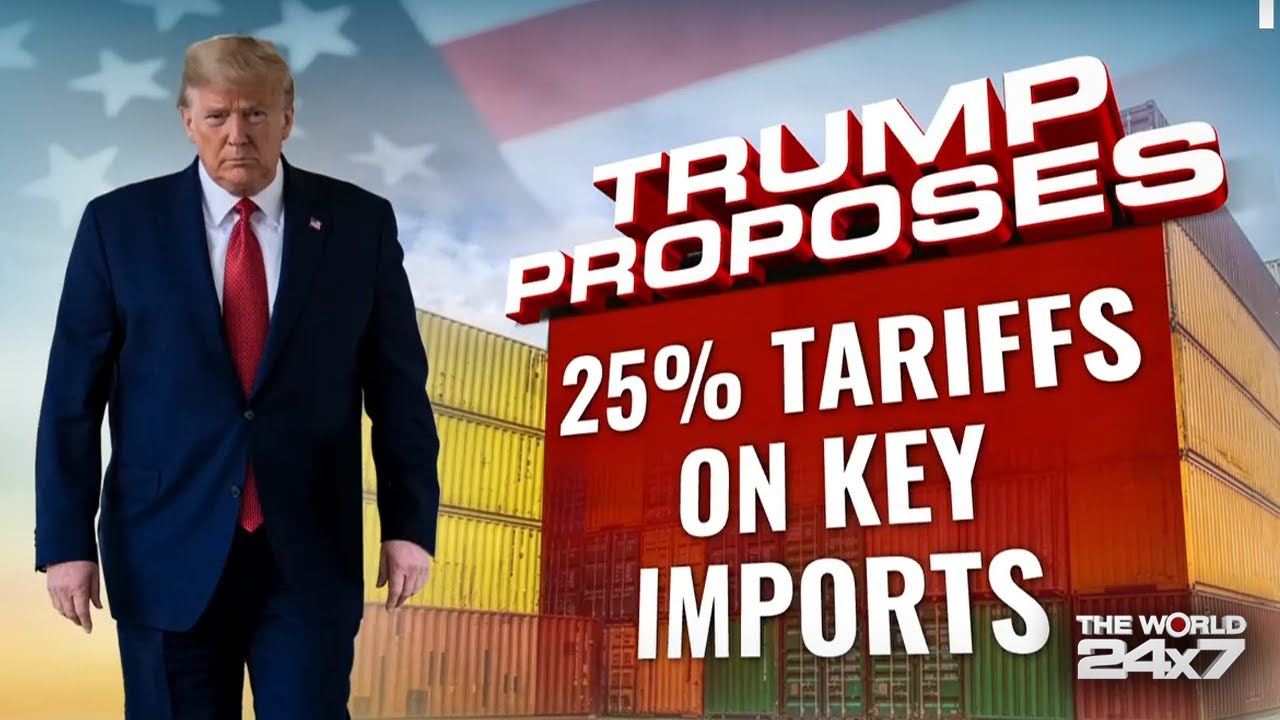
The potential imposition of 25% tariffs on key imports by US President Donald Trump represents a significant development in global trade relations. This action, targeting sectors as diverse as automobiles, semiconductors, and pharmaceuticals, carries the potential to disrupt established supply chains, spark retaliatory measures from affected countries, and significantly impact global economic stability. The announcement immediately raises concerns amongst economists and international policymakers, given the interconnected nature of the global economy and the potential for cascading effects from such a sweeping tariff policy.
The automotive industry, a cornerstone of many national economies, would be particularly vulnerable to such high tariffs. Increased costs for imported vehicles could lead to higher prices for consumers, reduced sales, and potential job losses in both the manufacturing and retail sectors. Similarly, the semiconductor industry, crucial for modern technology and electronics, could face substantial disruptions. Increased costs of imported chips could ripple through various industries, impacting the production of everything from smartphones to medical devices. The pharmaceutical industry, already grappling with concerns about drug pricing and accessibility, faces the added pressure of potential tariff increases on imported medications, which could further strain healthcare systems and limit access to essential treatments.
Beyond the immediate economic consequences, the geopolitical implications are equally significant. The imposition of such tariffs could trigger retaliatory measures from other nations, leading to a trade war with unpredictable outcomes. Countries affected by these tariffs might respond by implementing their own tariffs on US goods, creating a cycle of escalating protectionist policies. This could stifle global trade, limit economic growth, and harm international relations. The potential for such a scenario highlights the complexities and risks associated with unilateral trade actions.
The decision to target specific sectors, such as automobiles, semiconductors, and pharmaceuticals, reflects a strategic consideration of their importance to both the US economy and the global economy. The automotive sector represents a significant manufacturing base, while semiconductors are vital components in many industries. Pharmaceuticals are essential for public health. The potential impact on these industries underscores the far-reaching consequences of President Trump's proposed tariffs and the importance of considering the wider economic and geopolitical context.
Furthermore, the legal challenges and potential WTO disputes arising from these tariffs also add a layer of complexity. The World Trade Organization (WTO) rules govern international trade, and tariffs that are considered discriminatory or protectionist can face legal challenges. The legal battles that might ensue could prolong the uncertainty and further destabilize global trade relations. The eventual outcome of such legal challenges remains uncertain, adding to the already complex picture.
In conclusion, President Trump's proposed 25% tariffs on key imports represent a significant and potentially destabilizing event in the global economic landscape. The impact on various sectors, the potential for retaliatory measures, and the legal uncertainties all combine to create a complex and challenging situation. The ultimate consequences will depend on a variety of factors, including the response of other countries, the extent to which the tariffs are implemented, and the legal challenges that arise. The situation demands careful observation and analysis as the implications unfold.
Source: Autos, Drugs, Chips: Trump Proposes 25% Tariffs On Key Imports