
 |
|
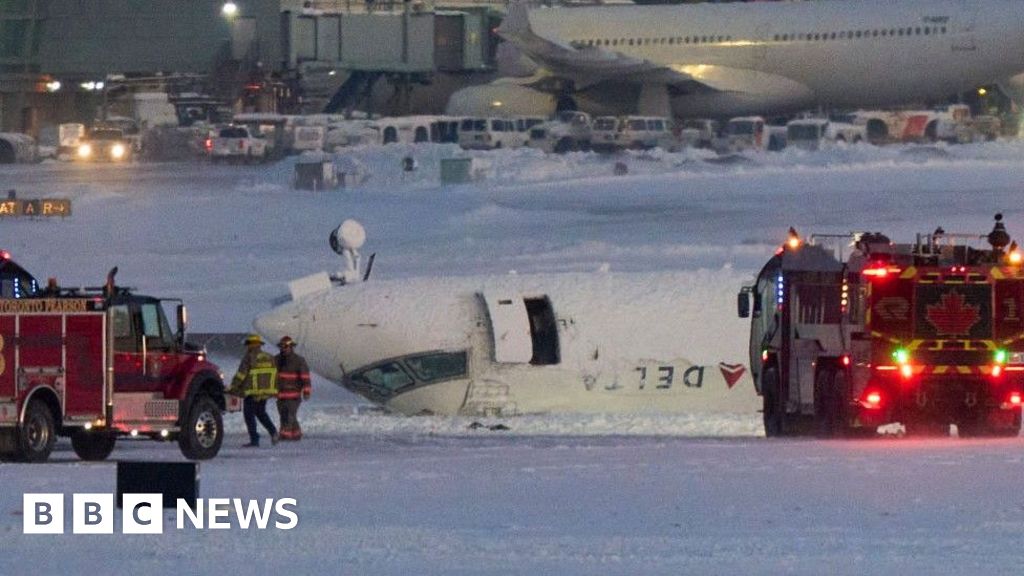
The unexpected and dramatic crash landing of Delta Air Lines flight DL4819 in Toronto on Monday afternoon sent shockwaves through the aviation world and beyond. The incident, involving a CRJ-900 aircraft arriving from Minneapolis, saw the plane skid along the runway, burst into flames, and ultimately flip upside down, losing a wing and its tail in the process. Despite the catastrophic nature of the accident, the remarkable outcome—the survival of all 80 people on board—has sparked intense scrutiny into the factors contributing to the crash and the remarkable resilience of the aircraft's safety features and the collective response of passengers, crew, and emergency services.
The sequence of events leading to the crash remains under investigation, but preliminary analyses suggest a confluence of factors may have played a role. Harsh winter weather conditions, including high winds and frigid temperatures, were present at Toronto Pearson International Airport at the time of the landing. While the runway itself was reportedly dry, gusts of up to 38 mph (61 km/h) and a reported “slight bump in the glide path” were communicated to the pilots by air traffic control. Expert analysis suggests that the pilots may have attempted a crab manoeuvre—turning the plane into the wind before aligning with the runway—a common technique in challenging weather conditions. However, the landing appears to have been exceptionally hard, possibly resulting from a single-wheel touchdown, which could have led to a collapse of the landing gear. This, in turn, might have caused the right wing to strike the runway, initiating the plane's dramatic roll and subsequent inversion.
The survival of all passengers and crew is a testament to the remarkable advances in aircraft safety design and emergency response protocols. The plane's high-impact 16G seats, designed to absorb significant force, played a crucial role in protecting occupants from severe injury during the impact and subsequent inversion. The fact that the aircraft's fuselage remained largely intact also minimized the risk of fatal injuries. Experts have highlighted the importance of other safety features, including the design of seatbacks and tray tables, which are engineered to create a survivable space and minimize the likelihood of passenger injury during a crash. The effective deployment of seatbelts, which prevented occupants from being flung around the cabin, also proved vital. The prompt and efficient response of emergency services, who reached the crash site within minutes, deserves significant praise. The heroic actions of the flight attendants in quickly and effectively evacuating the passengers from the inverted aircraft, combined with the passengers' own collaborative efforts in helping one another escape, contributed significantly to the successful outcome.
Beyond the immediate aspects of the crash, this incident raises important questions about aviation safety in challenging weather conditions. The investigation will undoubtedly delve into the pilots' decision-making process during the landing, the role of weather conditions, and the performance of the aircraft's systems. This detailed examination will provide valuable insights to enhance aviation safety protocols and potentially prevent similar incidents in the future. The incident serves as a stark reminder of the inherent risks involved in air travel and the critical importance of ongoing efforts to improve safety measures across the aviation industry. While the miraculous survival of all on board offers a glimmer of hope, the investigation will play a crucial role in improving safety for future flights.
The aftermath of the crash also highlights the importance of human resilience and the ability of individuals to overcome extraordinary circumstances. The passengers' accounts of working together to escape the inverted aircraft, comforting one another and aiding in the evacuation process, serve as a powerful testament to human compassion and the ability to cooperate effectively under extreme pressure. Such instances of collaborative action in emergencies underscore the importance of effective training and communication protocols, not just for flight crews but also for passengers, in enhancing preparedness and safety during unexpected events.
Further investigation into the incident is necessary to determine the exact cause of the crash. However, this event has already brought into sharper focus the need for ongoing improvements in aircraft design, weather-related safety protocols, and emergency response procedures. The incident, although resulting in no fatalities, has undoubtedly left an indelible mark on those involved and served as a powerful reminder of the unpredictable nature of air travel and the importance of maintaining the highest possible safety standards.
Source: Why did a Delta plane crash in Toronto, and how did everyone survive?