
 |
|
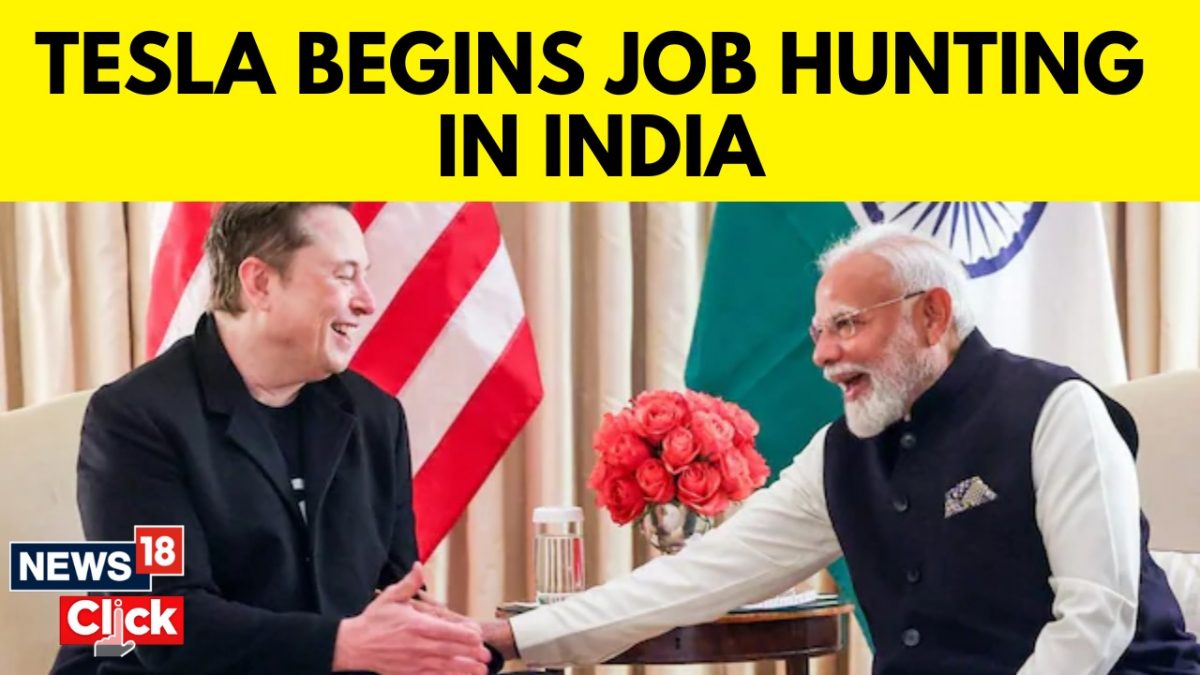
The news of Tesla initiating hiring processes in India signifies a significant potential shift in the electric vehicle (EV) landscape of the country. This development follows a highly publicized meeting between Tesla CEO Elon Musk and Indian Prime Minister Narendra Modi, fueling speculation about Tesla's long-awaited entry into the burgeoning Indian market. While the exact nature of the roles being filled remains unspecified, the very act of hiring suggests that Tesla is actively preparing for operations within India. This strategic move could represent a considerable investment in infrastructure, manufacturing, and sales, thereby impacting the Indian economy and the automotive industry significantly.
The Indian government has been actively promoting the adoption of electric vehicles through various policy initiatives, including tax incentives and subsidies. Tesla's potential entry into this market aligns perfectly with these government efforts and could provide a much-needed boost to the country's ambition to become a global hub for EV production and technology. The presence of a major player like Tesla would likely stimulate competition among existing automakers, potentially leading to technological advancements and greater affordability for consumers. This influx of competition could also drive innovation in related sectors like battery technology, charging infrastructure, and the entire EV ecosystem in India.
However, the path to successful market penetration for Tesla in India is not without its challenges. The Indian automotive market is characterized by unique challenges, including complex regulatory frameworks, diverse consumer preferences, and a considerable price sensitivity. Tesla will need to navigate these intricacies effectively to establish a strong foothold in the market. Furthermore, it remains to be seen how Tesla will address the complexities of setting up a manufacturing base in India, given the existing infrastructural limitations and the need for significant investment in local supply chains. The company's approach to localization and its ability to adapt to the Indian market's specific needs will be crucial determinants of its success.
The meeting between Elon Musk and Narendra Modi played a pivotal role in accelerating the ongoing dialogue between Tesla and the Indian government. While specifics of their conversation remain confidential, it is widely speculated that the meeting focused on the investment climate in India, regulatory hurdles, and the potential incentives that could be offered to attract Tesla. The positive outcome of the meeting is evidenced by the subsequent hiring spree initiated by Tesla, demonstrating a clear signal of intent to establish a presence in India. This engagement signifies a mutual understanding and a shared vision for promoting sustainable transportation in India.
The success of Tesla's venture in India could serve as a benchmark for other international EV manufacturers considering entry into the market. It could also encourage greater domestic investment in the EV sector and stimulate the growth of ancillary industries. The potential economic benefits stemming from Tesla's presence extend beyond mere job creation and manufacturing; it could also spur innovation in technological research and development, ultimately contributing to India's overall economic growth and its journey towards becoming a leading player in the global EV industry. The coming months and years will be crucial in determining the full extent of Tesla's impact on India's automotive landscape.
Beyond the economic ramifications, the entry of Tesla into the Indian market carries significant implications for the environment and sustainability efforts in the country. Tesla's focus on electric vehicles aligns seamlessly with India's goal of reducing carbon emissions and promoting cleaner transportation solutions. By offering advanced electric vehicles, Tesla could contribute to the transition away from fossil fuel-dependent vehicles, positively impacting air quality and reducing the nation's carbon footprint. This environmental impact, coupled with the economic benefits, makes Tesla's potential presence in India a development of significant national and international importance.
The decision by Tesla to begin hiring in India represents a significant step towards its potential market entry. While challenges remain, the strong signals from both Tesla and the Indian government suggest a promising future. The success of this endeavor will depend on various factors, including the company's adaptability to the Indian market, effective engagement with the regulatory environment, and its ability to build a robust local supply chain. This development, however, is a powerful indicator of the growing influence of electric vehicles globally and the potential of India to become a major player in the EV revolution.
Source: Tesla Begins Hiring In India Signalling Entry After Modi-Musk Meet